Moscow refinery strike lays bare Europe energy paradox
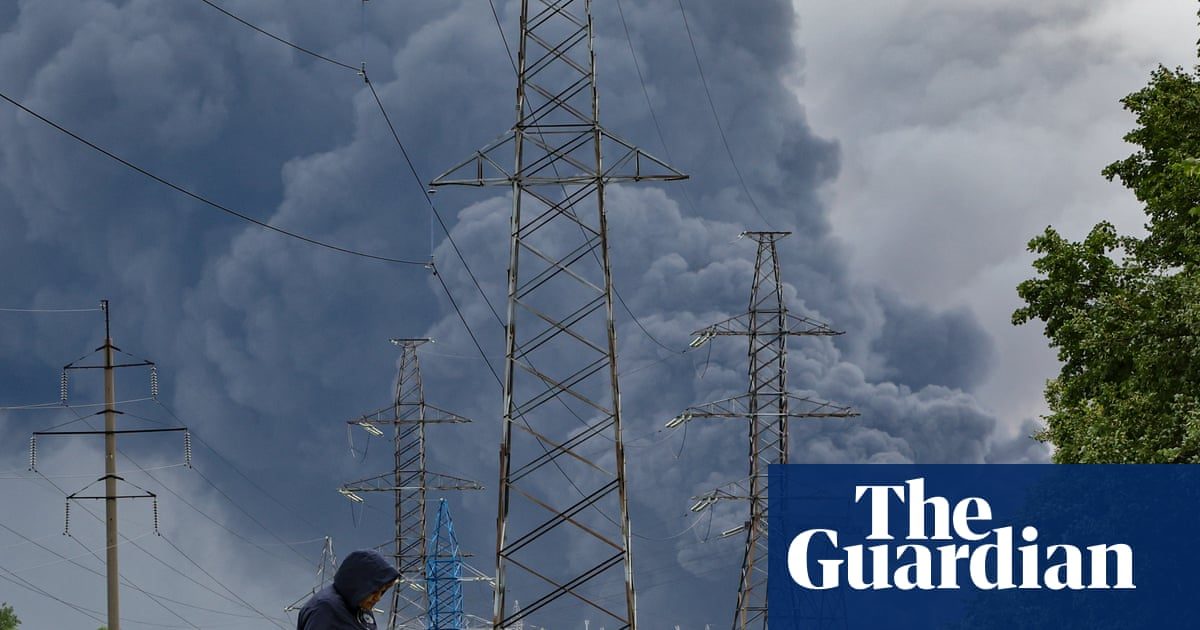
Ukraine’s largest-ever drone attack on a Moscow oil refinery underscores the economic calculus of its long-range strategy while exposing Europe’s continued financial ties to Russian fossil fuels.
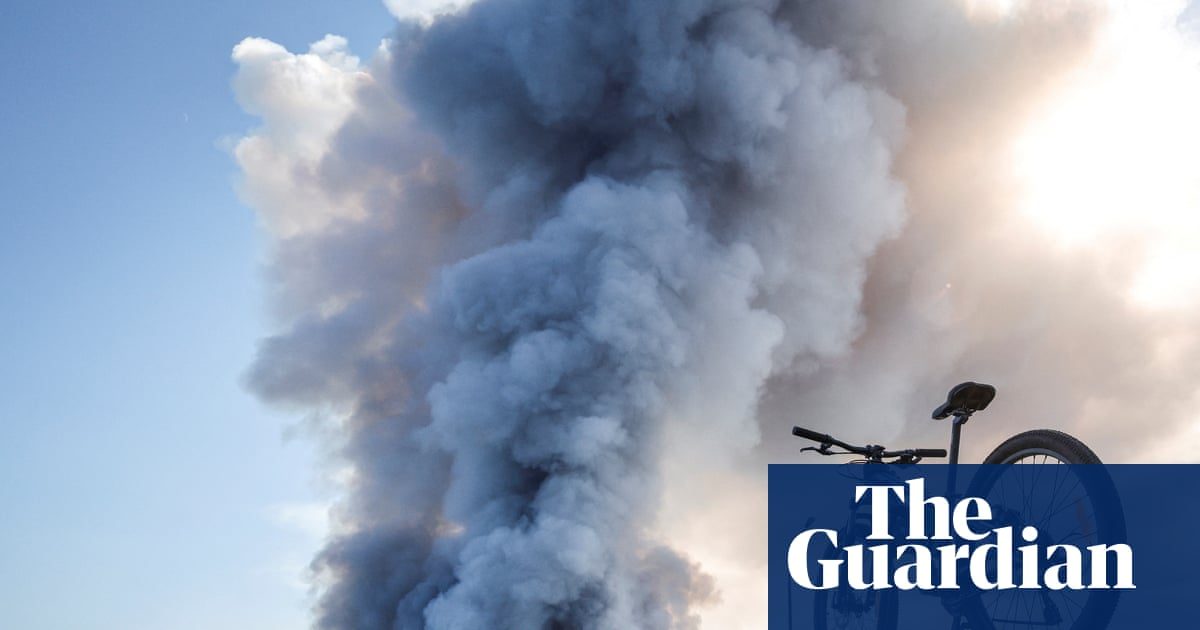
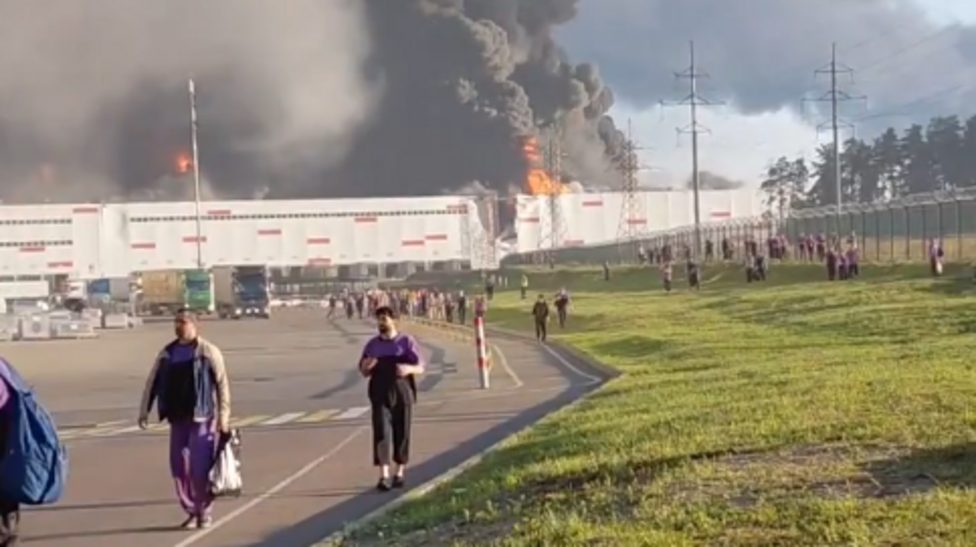
Ukraine executed its largest-ever drone attack on Moscow on 18 June, striking a major oil refinery in the Kapotnya district. One drone missed its target and hit a nearby residential area, but evidence indicates this resulted from Russian air defences or electronic warfare. The incident has prompted a fierce debate over the legality and strategy of targeting Russian infrastructure.
International humanitarian law recognises oil refineries as dual-use industrial infrastructure that directly enables the Russian war effort. The drones navigated dense, multi-ring missile defence networks to hit a key source of fuel and revenue. President Volodymyr Zelenskyy has characterised such strikes as "long-range sanctions" designed to degrade the Russian war machine.
Beyond immediate damage, the strikes force a strategic redistribution of Russian air defences that leaves vulnerabilities elsewhere for Ukraine to exploit. The tactic shifts the economic burden onto Russian soil, where middle-class urbanites are now confronting fuel shortages. These are the same "ordinary Russians" previously insulated while the Kremlin mobilised prisoners and ethnic minorities.
Some observers have dismissed these attacks as attempts to simply increase civilian anxiety. However, if instilling fear was the primary objective, Ukraine could have targeted softer sites with higher civilian proximity. Instead, the focus on revenue-generating infrastructure reflects a calculated attempt to shorten a war that continues to devastate Ukraine's own civilian population.
Yet Ukraine’s economic strikes highlight a profound contradiction in European policy, as the continent continues to import Russian energy. This enduring fossil fuel addiction has economically sustained the Russian war machine since the 2014 invasion. Western allies have also declined measures like "closing the skies" over Ukraine, a failure that critics argue could have prevented deliberate civilian killings in places like Mariupol.
Faced with Western reluctance to sever the economic pipelines funding Moscow, Kyiv has been left to impose its own sanctions. Burdening Ukraine with the consequences of European policy failures is an unjust addition to the immense price it is already paying for Russian aggression.