Australia's 630% armor surge rewards Rheinmetall
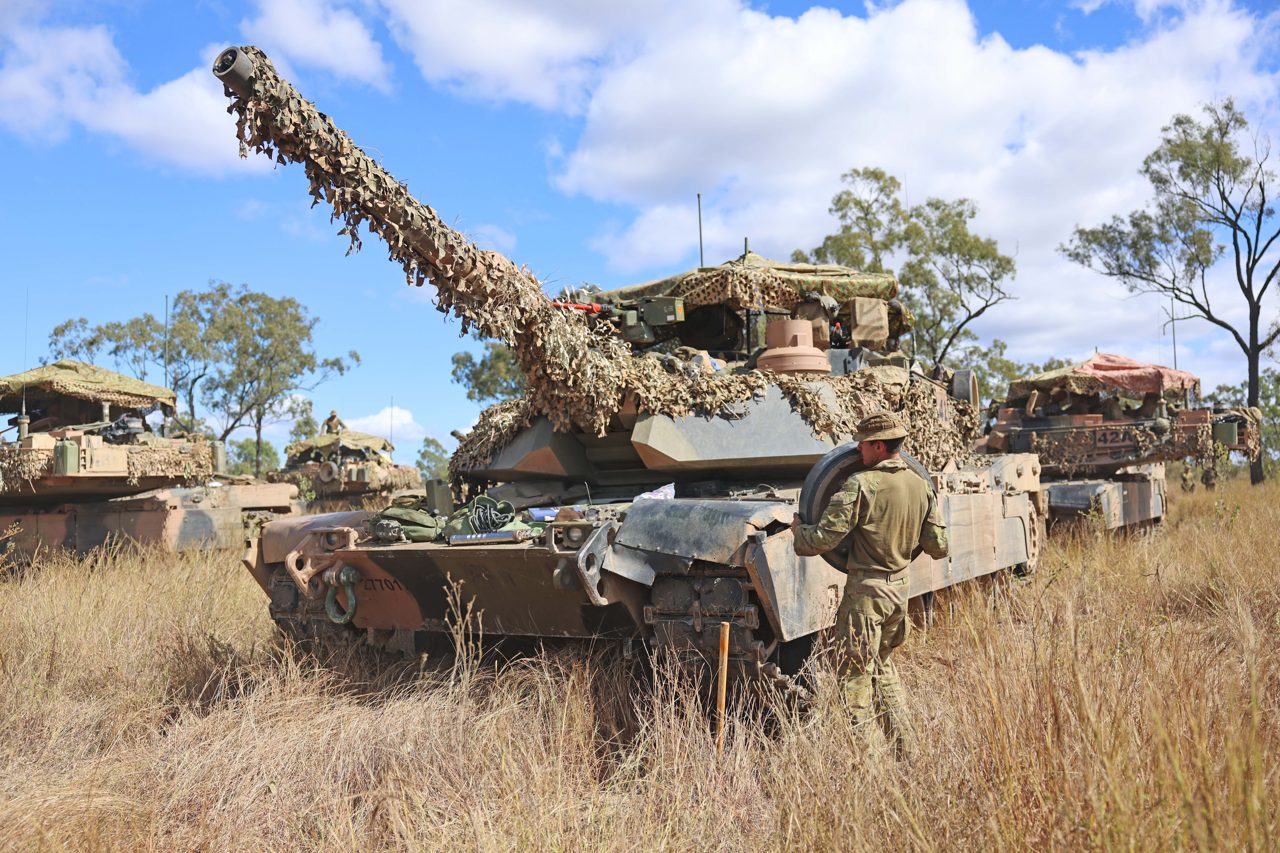
Australia’s 3rd Brigade is embarking on a record-breaking modernization that doubles down on heavy armor, directly benefiting European manufacturers like Rheinmetall amid a global shift toward lightweight military units.
Australia’s 3rd Brigade is drastically expanding its heavy armored capabilities, with its vehicle fleet set to surge by 630% over three years. Based in Townsville, the unit is absorbing whole new fleets of main battle tanks, self-propelled howitzers and infantry fighting vehicles.
For European defense contractors, this modernization represents a major commercial win and a strategic validation. Germany’s Rheinmetall will see its Boxer 8x8 combat reconnaissance vehicle replace older models starting in 2028, while South Korea’s Hanwha supplies the AS9 Huntsman howitzers and AS21 Redback infantry fighting vehicles. The sheer scale of the order underscores that global defense markets still heavily reward manufacturers of heavy armor.
The expansion comes with immense logistical challenges that mirror debates within European NATO capitals about sustaining high-intensity warfare. Brigadier Ben McLennan, the brigade’s commander, noted that daily diesel consumption in high-intensity operations will jump from 40,000 liters to over 300,000 liters. Ammunition transport demands will similarly spike, moving from 30 pallets a day to 105.
The unit’s 2nd Cavalry Regiment has already received its full complement of M1A2 SEPv3 Abrams tanks, with armored engineering variants arriving by the end of 2026. In the artillery regiments, the arrival of 48-ton Hanwha AS9s will increase firepower by at least 300% as battery sizes grow from four towed howitzers to six self-propelled guns. All three batteries will be fully equipped by the end of 2027.
Maintaining this expanding fleet requires massive infrastructure overhauls, presenting further potential for industrial contractors. A new maintenance hangar featuring a 10-tonne gantry crane opened in May, and a major new repair facility is slated to open by year-end. Maj. Fergus Robinson noted that vehicle maintenance will be a primary challenge for soldiers operating these complex systems.
The Australian buildup deliberately bucks the global trend toward lighter, more mobile units. “The combined-arms fighting system, not just tanks, but armored engineering vehicles, self-propelled artillery, are just as relevant, if not more relevant, than ever,” McLennan said. This strategy reinforces the baseline thesis of European heavy-armor manufacturers that traditional land warfare platforms remain essential for modern deterrence.