Robot subscriptions lower automation barriers for European firms
A growing shift towards robotics-as-a-service is allowing companies to rent rather than buy machines, a model that could democratise automation for smaller European manufacturers and healthcare providers.
Robotics companies are increasingly offering their machines on subscription or rental bases rather than through outright sales, spanning from hospital orderlies to industrial factory arms. This "robotics-as-a-service" model bundles the hardware with maintenance, remote human oversight and software upgrades into ongoing payment plans. The approach is rapidly reshaping how businesses access automation.
For companies, the primary appeal is financial. "It lowers the expense and the outlay for the hospital because you're not paying for the full purchase up front," says Todd Brugger, chief operating officer at Diligent Robotics, which has around 100 of its Moxi hospital robots operating in the US. Furthermore, the rapid pace of hardware iteration makes outright purchases risky. "Every year the robotics companies release a new model, a new iteration of the hardware," says Ethan Qi, a Beijing-based associate director at Counterpoint Research. "If you own a robot, you can't trade it for a new one, but if you rent a robot, you can always rent the newest."
In industrial settings, subscriptions are removing historical barriers to entry. Chicago-based Formic has a fleet of more than 250 industrial robots operating on a service basis. "Everything is included," says chief revenue officer Shawn Fitzgerald. "If the robot arm burns out, that's on us and we need to come bring you a new one." He argues this flat monthly payment model "levels the playing field" for smaller companies that have traditionally lacked the capital to buy factory robots outright.
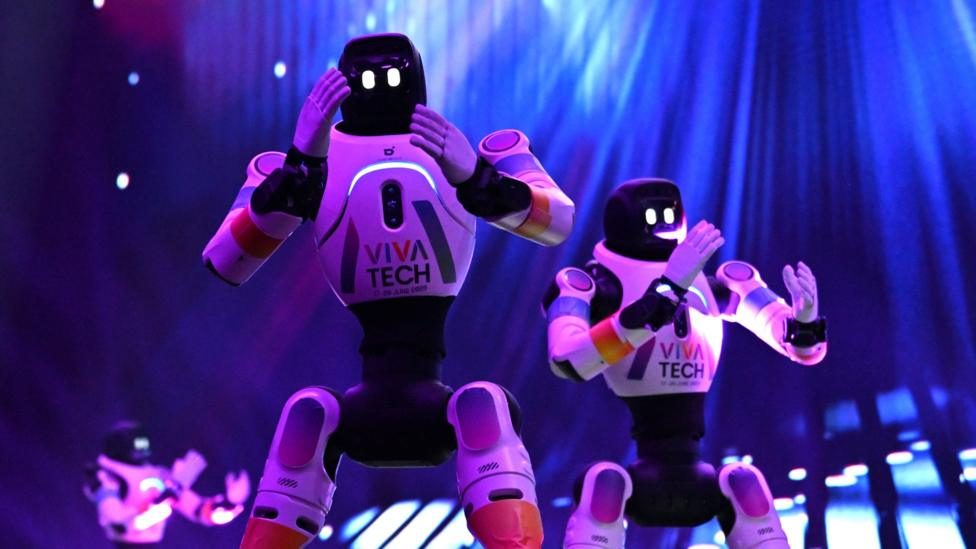
The rental trend is also accelerating the development of early humanoid robots, which remain immature. "The technology is still not there. It's still immature," says Marco Wang, an analyst at Interact Analysis. Renting allows manufacturers to trial these complex machines in real-world environments and gather crucial data. Crucially for European markets, this global rental push is already crossing borders. Shanghai's Agibot says its humanoid robots are available for rent in 17 countries, including the UK.
The model extends beyond factories and hospitals into consumer and service sectors. California-based 1X plans to ship its NEO home helper robot later this year, offering it for $20,000 outright or $499 per month. "A subscription significantly lowers the upfront cost, making it affordable for far more people," says 1X vice president Dar Sleeper. Meanwhile, some rental schemes are even tying fees directly to the amount of human labour a robot saves.
Rentals also solve a technical skills gap. "It helps to solve technical problems because customers don't know how to code the robots," says Qi. While outright purchases driven by state subsidies may still dominate in China, the subscription model offers a lower-risk, flexible path for European firms navigating a fast-moving technology.