AI memory boom drives Samsung to record $58.4bn quarterly profit
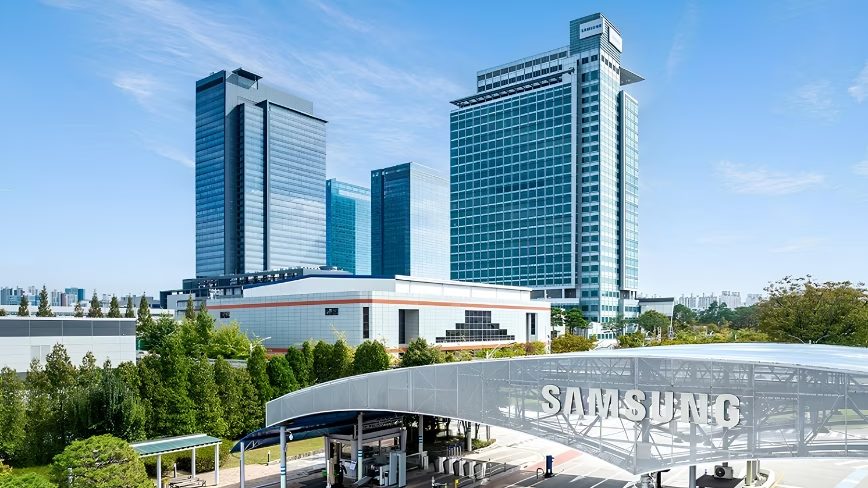
Samsung Electronics has posted the largest quarterly operating profit in tech history, driven by an AI-fuelled memory shortage that is pushing up hardware costs for businesses across Europe.
Samsung has guided for a second-quarter operating profit of 89.4 trillion won ($58.4bn), marking the largest quarterly operating profit ever posted by a technology company. The figure is roughly 19 times the result from a year earlier and represents a third consecutive record quarter for the South Korean conglomerate. Revenue reached 171 trillion won, more than double last year's 74.57 trillion won.
The scale of the earnings is driven by contract pricing rather than unit volume alone. According to Citi Research, DRAM prices climbed 44% quarter-on-quarter while NAND flash surged 53%. High-bandwidth memory, the stacked chips essential for Nvidia's AI accelerators, remains the most lucrative segment of the market.
Samsung's resurgence here followed a September 2025 breakthrough, when it finally cleared Nvidia’s qualification for its 12-layer HBM3E chips after resolving earlier thermal performance issues. While rival SK Hynix retains a lead by securing a multi-year deal for the next-generation HBM4, Samsung has successfully reclaimed a major share of the most profitable AI supply chain.
For European businesses, the critical takeaway is that this pricing power is no longer confined to elite AI hardware. As artificial intelligence shifts from training models to running inference at scale, the cost surge has spilled into conventional DRAM and NAND. These are the standard components used in everyday enterprise servers and data storage, meaning the AI build-out is now directly inflating capital expenditure costs across the continent's digital economy. The same broad-based demand drove a quadrupling of revenue at US firm Micron in June.
Despite the historic numbers, investors sold off the stock, with Samsung shares dropping more than 6%. A slight revenue miss against some analyst models of 173 trillion won gave sceptics a reason to take profits after a long rally that had already priced in substantial growth.
The preliminary guidance also conceals internal structural tensions. It includes a bonus provision running into the tens of trillions of won, meaning underlying operating profit actually exceeded 100 trillion won, according to the Seoul Economic Daily. These payouts have become large enough to trigger an internal dispute over profit distribution and to draw scrutiny from South Korea's central bank as a wage indicator.
A full divisional breakdown is due on 30 July, which will reveal how much of this windfall came from the semiconductor unit versus the smartphone and display divisions that must now absorb the same elevated memory costs. If the current trajectory holds, Samsung's full-year profit could rival its cumulative earnings across the previous four decades.