EU grand coalition collapses as EPP pivots to hard right
The traditional centre-left and centre-right governing alliance has fractured, with the European People’s Party now routinely relying on hard-right lawmakers to pass legislation, reshaping the EU's business and regulatory outlook.
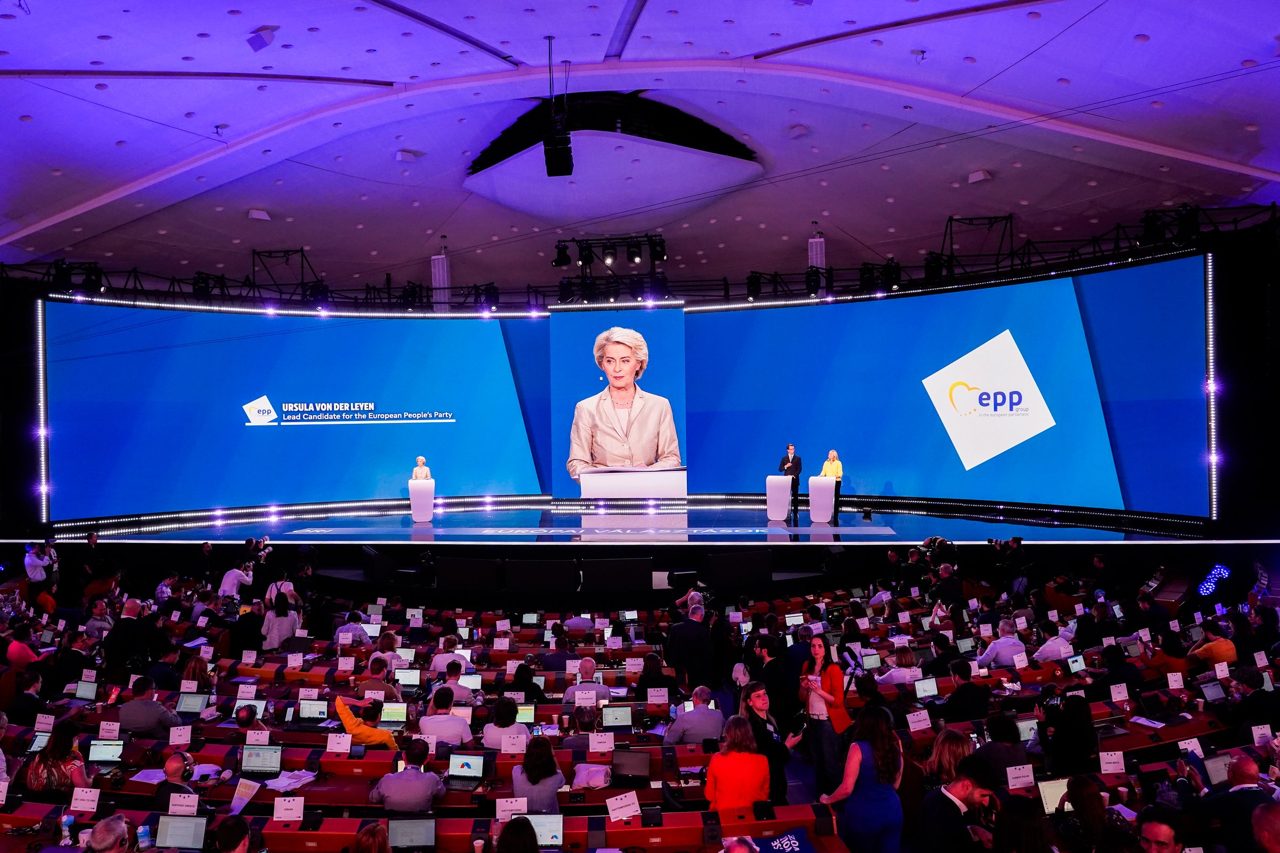
Ursula von der Leyen secured a second mandate as European Commission president with 401 votes, but the secret ballot exposed a fundamental shift in EU power dynamics. Her confirmation relied not on the traditional pro-European mainstream, but on the backing of hard-right and extreme-right groups. These included Georgia Meloni’s European Conservatives and Reformists, Marine Le Pen and Jordan Bardella’s Patriots for Europe, and the Alternative for Germany’s Europe of Sovereign Nations.
On paper, the pro-EU bloc remains formidable. The European People’s Party, Socialists & Democrats, Renew Europe, and the Greens hold well over 450 of the 720 seats in the new parliament. However, the 401-vote tally for von der Leyen revealed that this formal majority is already fraying. It also proved that the European People’s Party is willing to look right whenever the centre-left becomes politically inconvenient.
For European businesses and investors, this political realignment signals a decisive shift in the continent's regulatory trajectory. The EPP has effectively abandoned the grand coalition model that defined EU governance for most of the bloc's history. It now opts for an alternative majority of convenience whenever legislative numbers are tight.
This pivot carries immediate consequences for corporate planning and market regulation. Even before the elections, the EPP began distancing itself from the European Green Deal. It simultaneously adopted increasingly hard-right language on environmental protection, altering the outlook for industries bracing for strict climate transition rules.
The pattern has only accelerated since the parliament convened. On issues ranging from Venezuela to the Return Regulation, the EPP has normalised its dependence on right-wing forces. For the European economy, this means the traditional centre-left counterweight on social and economic policy has been effectively neutralised.
The era of Christian Democrats and Socialists governing together is over. When their majority disappeared in 2019, they brought in the liberals, and in 2024, the Greens informally joined. Now, with the EPP routinely turning right to secure its agenda, Europe's legislative future will be shaped by a far more volatile political consensus.