Boeing delays push Trump to $1bn Qatari jet at NATO
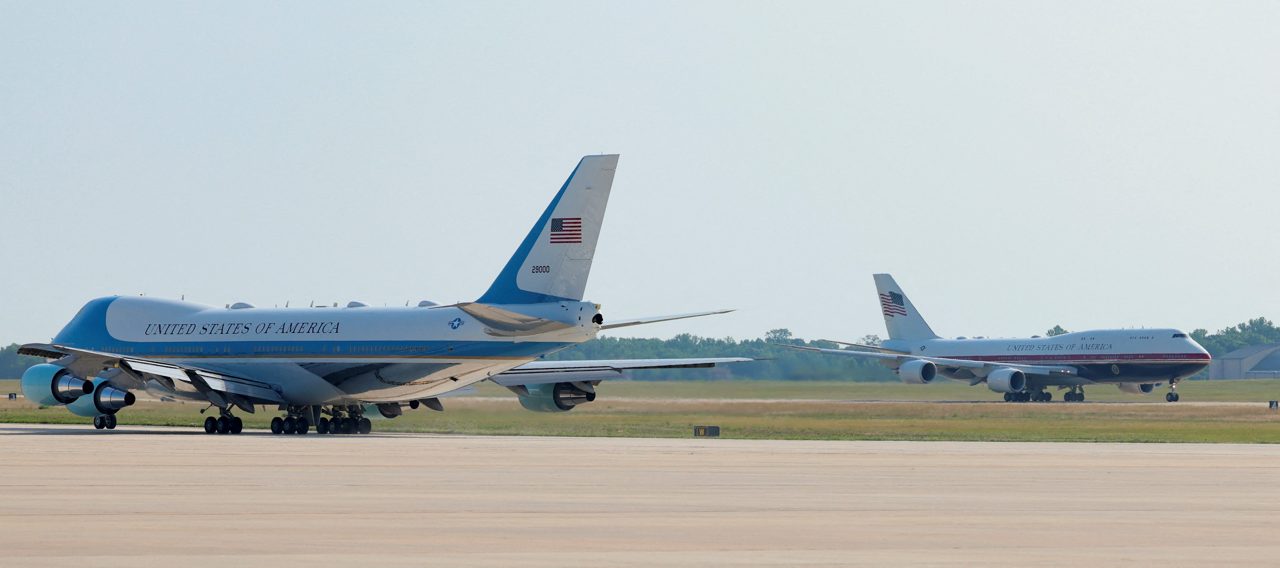
Donald Trump's unexpected aircraft switch during his return from the NATO summit highlights the deepening delays at Boeing and raises European security questions about a hastily retrofitted Qatari-donated jet.
Donald Trump left Turkey on an older Air Force One aircraft on Wednesday before switching to a newly retrofitted Qatari-donated jet in Britain for the flight to Washington.
The sudden aircraft change followed a NATO summit in Ankara held as hostilities with neighbouring Iran escalated. When asked if an assassination threat prompted the switch, Trump told reporters at the summit’s conclusion: “I’m number one on the kill list for Iran. I don’t know. I can’t tell you that but I don’t really care.”
The move throws a spotlight on the ongoing crisis at Boeing, which is four years behind schedule on a $3.9 billion fixed-price contract signed in 2018 to deliver next-generation presidential aircraft. With programme costs exceeding $5 billion and Boeing booking billions in charges, delivery of the purpose-built 747-8s is not expected until mid-2028. A new, US-built plane may not be ready before Trump’s term ends in January 2029.
To bridge the gap, the US accepted a Boeing 747 gifted by Qatar last year and retrofitted by defense contractor L3Harris Technologies. Democratic lawmakers estimate the conversion cost more than $1 billion. However, experts have warned that the Air Force’s fast-track effort skipped planned modifications, raising concerns that the rushed timeline compromised critical security upgrades like missile defense and anti-eavesdropping communications.
The aircraft made a stop at RAF Mildenhall in Britain. Trump claimed he used the older baby blue plane "for old time’s sake" so service members could tour the new jet, which features his chosen red, white, dark blue and gold livery. He wrote on social media that the stop caused "virtually no deviation of flightpath."
US officials maintain the Qatari jet meets presidential standards, and a second Air Force One is always on standby. Yet for European NATO allies, particularly those bordering conflict zones, the reliance on a foreign-donated, hastily converted aircraft highlights the tangible impact of Boeing's manufacturing crisis on allied security operations.