Burnham takes power as UK-EU deal stalls and business taxes loom
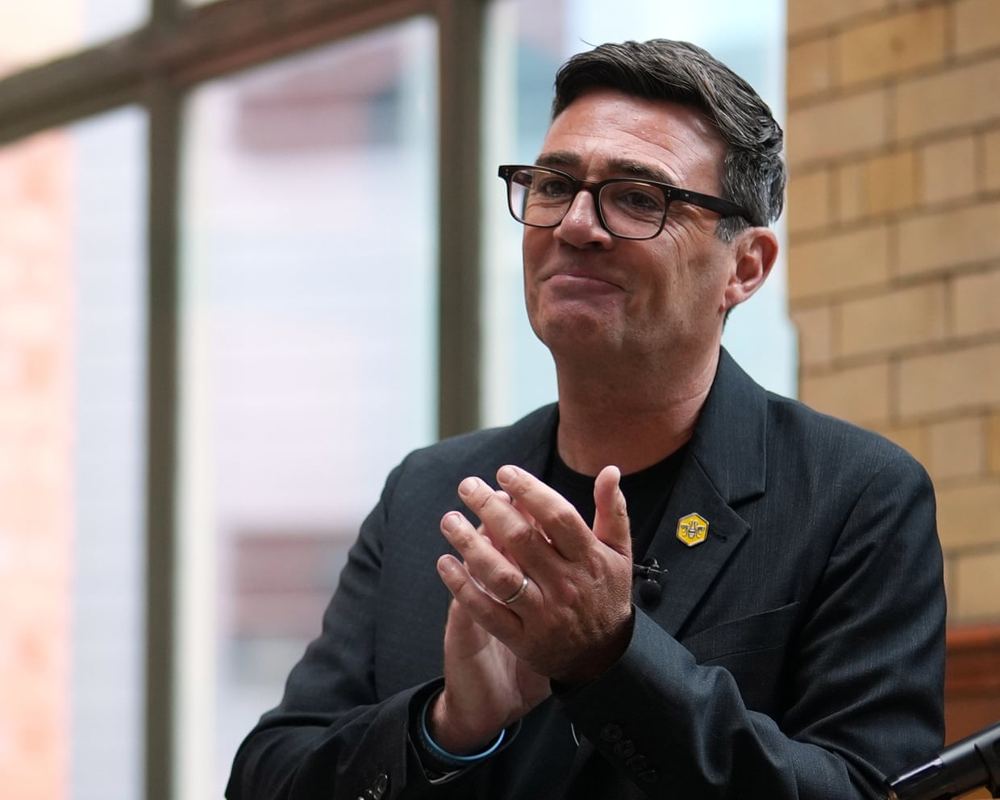
Andy Burnham has entered Downing Street facing a delayed UK-EU trade summit, a looming defence funding gap, and potential tax rises that will signal his domestic priorities to European investors.
Andy Burnham has taken over as prime minister, immediately confronting a postponed UK-EU summit that was meant to finalise a new food and drinks deal. The meeting was delayed due to domestic political turmoil, a clear signal that improving ties with Brussels may take a back seat under the new administration.
For European businesses and investors, this shift in focus carries direct consequences. Burnham has previously stated his belief that the UK should return to the EU, but he recently distanced himself from that goal. With a promise to prioritise domestic issues, the Labour manifesto red lines keeping the UK out of the customs union and single market are likely to remain firmly in place.
Domestically, Burnham is navigating a tight fiscal balancing act that will affect corporate balance sheets. He has pledged not to raise income tax, national insurance or VAT, but told LBC there was “some room within that manifesto for movement on tax”. Allies are openly discussing a significant rise in capital gains tax to fund his policies.
He also plans to restructure business rates, shifting the tax burden away from small high-street shops toward large out-of-town warehouse operators like Amazon. Finding the revenue to fund this reshuffling without breaking his core tax pledges will require difficult trade-offs.
Those trade-offs are already apparent in defence spending. Burnham has accepted a £298bn, four-year weapons procurement plan as “settled”, but this requires finding an additional £4.7bn at the next budget. Officials previously rejected the idea of issuing “defence bonds” to cover the shortfall, leaving a gap that must be filled elsewhere.
Fiscal pressures extend to welfare, where personal independence payments are forecast to double by 2030. The government aims not to make savings but to halt this growth, navigating a tricky balance between rightwing opposition demands for cuts and the risk of harming those dependent on the payments.
Markets will also be watching his approach to utilities closely. Burnham has promised to put the “essentials of life” under public control. The immediate test is Thames Water, where Environment Secretary Emma Reynolds has formally opposed a creditor buyout. The government must now decide between a taxpayer-funded bailout, full nationalisation, or returning the company to the private sector under stricter rules.
Beyond fiscal policy, Burnham’s scepticism of the previous government's pro-tech stance will shape upcoming decisions on AI copyright rules. Geopolitical risks are also rising. His first face-to-face meeting with Donald Trump is expected at the G20 summit in Miami in November. Furthermore, an escalating Iran conflict and the potential blockading of the Strait of Hormuz pose a looming energy crisis that could quickly overshadow his domestic agenda.