Advanced Russian drones batter Zaporizhzhia civilian infrastructure
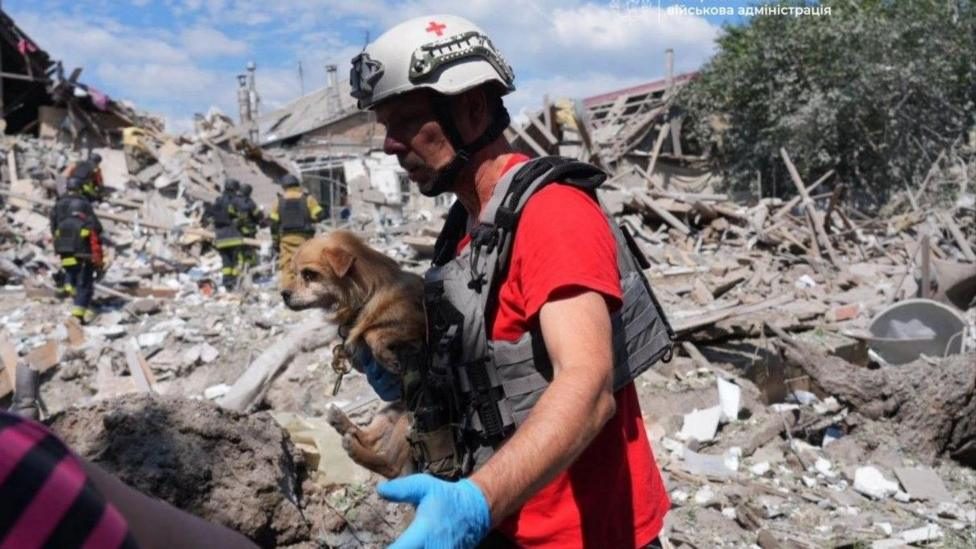
Russia is using new drone technology to systematically target schools, transport and public buildings in Zaporizhzhia, a major Ukrainian city just 50km from Europe's largest nuclear plant, straining civilian life and local infrastructure.
Russian forces have intensified attacks on civilian infrastructure in Zaporizhzhia over recent weeks, deliberately targeting buses, schools, petrol stations and government buildings with glide bombs and drones. The city of 750,000 people sits just 24 kilometres from the front line, yet local authorities intercepted 884 drones in the final week of June alone.
The bombardment of a major regional administrative capital carries outsized risks for the broader continent. Roughly 50 kilometres to the southwest lies the Russian-occupied Zaporizhzhia nuclear power plant, the largest of its kind in Europe. The deteriorating security environment so close to this critical facility underscores the persistent threat the conflict poses to regional stability and energy safety.
The escalation is not driven by territorial gains. In fact, Ukrainian troops have recently pushed Russian forces back a few kilometres south of the city. According to Sam Cranny-Evans of the Royal United Services Institute, the increased bombardment relies on newly deployed first-person-view drones that previously lacked the range to strike the urban centre.
Russian units are now using longer-range "mothership" drones to deliver these smaller weapons deep into Ukrainian territory. Furthermore, Cranny-Evans notes the deployment of mesh networking technology, which relays radio signals between drones to extend their reach and makes them significantly harder to jam. A possible reduction in Ukrainian electronic warfare activity may also be contributing to the deteriorating situation.
The relentless strikes have forced the city council to conduct its meetings in underground shelters. Acting mayor Regina Kharchenko told councillors that "the enemy has stepped up terror against civilians, municipal transport, privately-owned buses, cars, residential buildings and even children." In response, the city is installing anti-drone nets at vulnerable locations and applying anti-shatter film to the windows of schools and hospitals.
Despite the pressure on basic services and municipal infrastructure, the local population has largely refused to flee, maintaining a baseline of economic activity. Resident Anna Holovchenko described the disruption of internet cables and near-misses on her office as "just another ordinary day in Zaporizhzhia." She remains committed to staying: "We've got food and fuel, why would I leave? Maybe I'm not the easily scared type."
The focused assault on Zaporizhzhia contrasts with a broader slowdown in Russian advances elsewhere along the front. Ukrainian strikes on Russian oil refineries, fuel depots and logistics hubs in occupied territories have constrained Moscow's overall momentum. Still, the adaptation of drone warfare tactics in Zaporizhzhia demonstrates a persistent capacity to devastate civilian life without needing to move front lines.