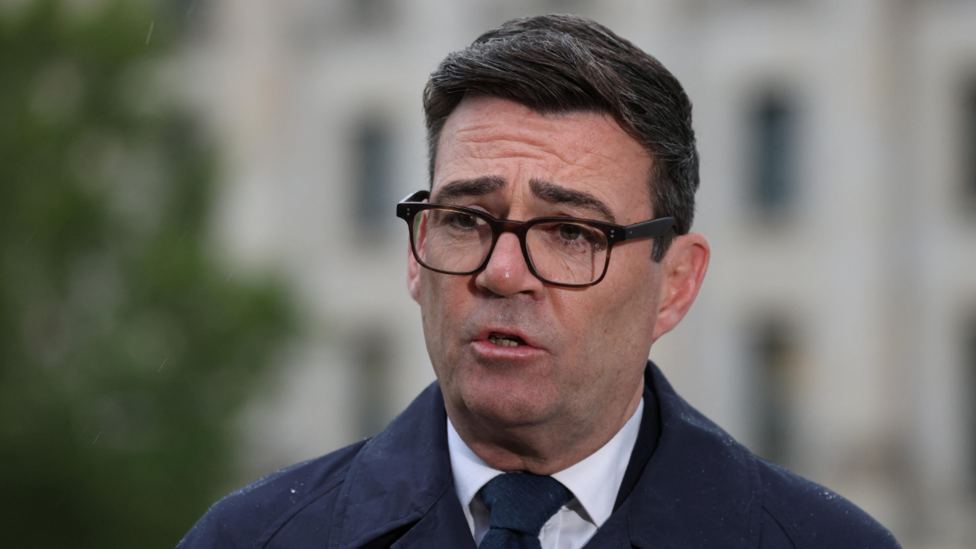
UK Labour backbenchers push Burnham to restore aid target and lead global wealth tax
Ahead of a potential leadership transition, Labour MPs are pressing Andy Burnham to reverse overseas aid cuts and use upcoming G20 and G7 presidencies to drive a global wealth tax and new development goals, signaling a shift in Britain's international economic strategy.
Influential Labour backbenchers are pressing Andy Burnham to restore the UK’s overseas aid spending to 0.7 per cent of national income and champion a global wealth tax. The proposals, outlined in an upcoming New Economics Foundation essay collection, signal a push to redefine Britain's international economic strategy under a potential future government.
The 0.7 per cent target was originally legislated under Gordon Brown but slashed by Rishi Sunak in 2020. Current Prime Minister Keir Starmer enacted further reductions to fund defence, a move that prompted the resignation of development minister Anneliese Dodds.
Fleur Anderson, a former minister with a background in international development, argues that retreating from these commitments is a false economy. She proposes a 10-year trajectory to reinstate the target, allowing future governments flexibility during crises.
“What matters is not mechanical annual targets, but establishing a credible long-term trajectory that partner governments, multilateral institutions, NGOs and local organisations can plan around,” Anderson writes. She stresses that a more unstable world will not become safer if wealthy nations disengage from the root causes of instability.
Beyond aid, the essays propose aggressive multilateral tax reforms. Liam Byrne, chair of the Commons business and trade committee, urges the UK to leverage its 2027 G20 chairmanship to convene discussions on a global wealth tax.
The UK will assume the G20 presidency from the United States, where Donald Trump has downplayed the bloc's role. Byrne argues that Britain’s expertise in institutional design could help create a functioning international wealth tax to transform resource mobilisation globally.
Former minister Gareth Thomas suggests using the consecutive G20 and G7 presidencies to shape the successors to the UN’s sustainable development goals, which expire in 2030. He also proposes pooling $1bn to immunise a billion children in fragile states, citing the recent success of the Gavi vaccines alliance.
David Miliband, who leads the International Rescue Committee and is considered a potential foreign secretary, participated in the project's gatherings. New Economics Foundation chief executive Danny Sriskandarajah noted that while recent foreign policy has been defensive, these concrete proposals offer a path to progressive global leadership.