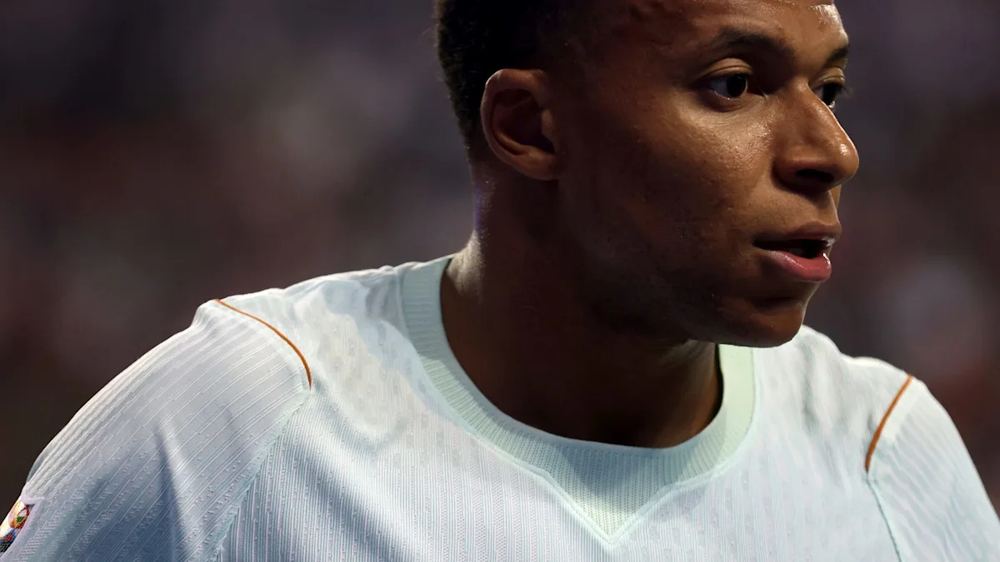
AI tools revive Berlin’s Techno Viking meme through Erling Haaland
The intersection of European rave heritage and modern sports marketing is being reshaped by artificial intelligence, as a 2000s Berlin meme finds a new global audience through a Norwegian football star.
Artificial intelligence tools have generated a viral wave of imagery placing Norwegian striker Erling Haaland into the historic Techno Viking meme. These digital alterations have gained massive traction just before Norway’s World Cup quarter-final, arriving shortly after the athlete scored twice against Brazil in the knockout stages.
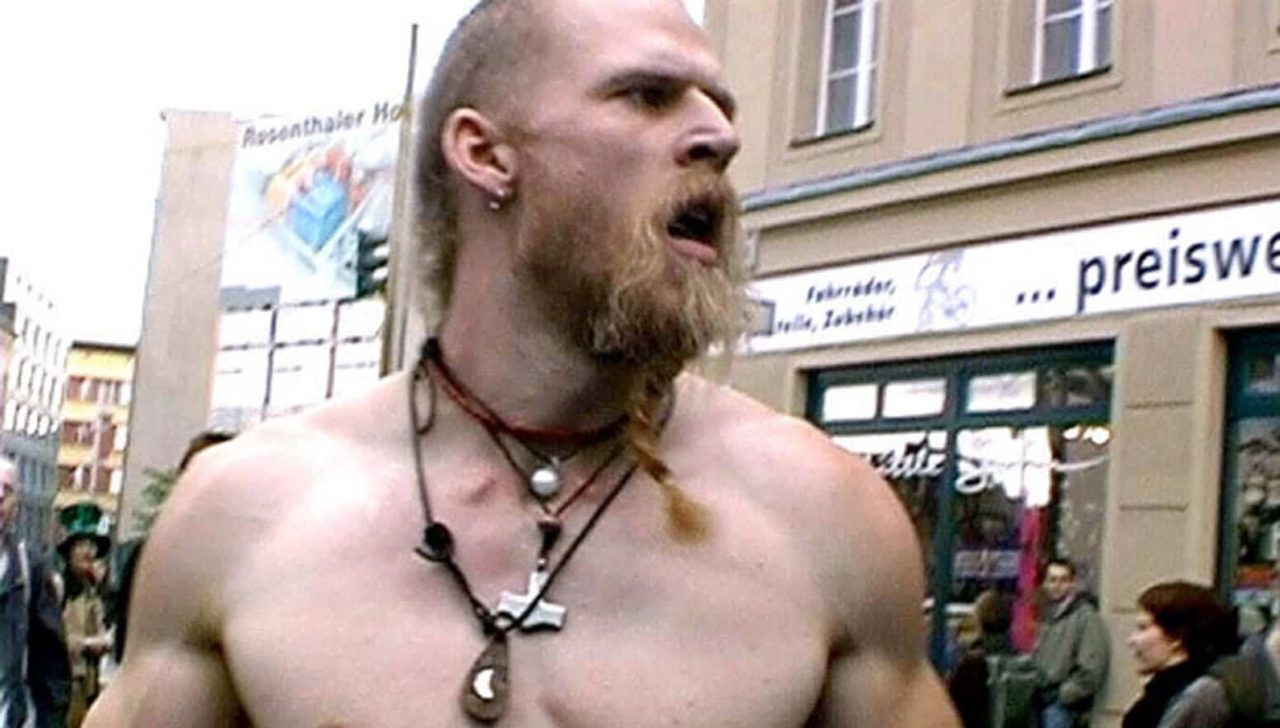
The original footage holds a specific place in European nightlife history, as artist Matthias Fritsch filmed the clip during Berlin’s Fuckparade in July 2000. The recording captured a muscular, shirtless blond man moving with absolute conviction across the German capital, and it resurfaced online in 2006 to become one of the earliest enduring icons of rave folklore.
Now, in 2026, generative software has provided this piece of European cultural history with a highly visible second life. The technology allows creators to map Haaland’s face and stoic frame onto the original 2000 footage. This crossover highlights how modern tools can rapidly merge distinct sectors of public life, specifically football culture and dance heritage, creating instant global engagement.
The phenomenon has drawn significant attention across social media and sports platforms. On July 8, 2026, Mark Gadala-Maria posted a reaction to the circulating clips, writing simply, "This is too good." Another user shared the viral content, noting, "Someone used AI to turn Haaland into the Norwegian techno viking," while crediting a creator identified as u/aasimpy, and the platform OneFootball has compiled a comprehensive round-up of the variations.
Haaland himself is reportedly embracing this unexpected cultural connection, adopting the bare-chested Instagram energy and Viking-blond aesthetic that made the original meme famous. For digital media companies and sports marketers, this viral event demonstrates the commercial utility of artificial intelligence. The technology enables the rapid synthesis of historical cultural assets with contemporary global sports figures, generating massive organic reach without the need for traditional, expensive production campaigns.