Unsolved 1966 death exposes dark economics of LA music scene
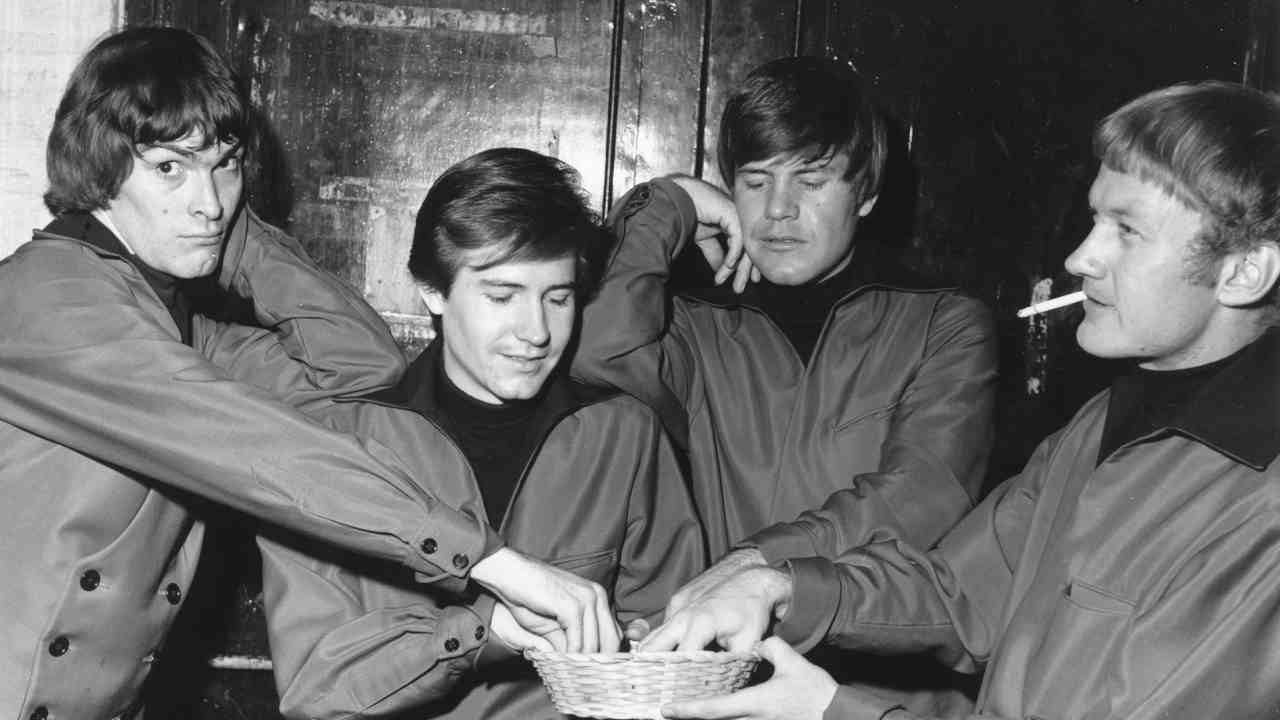
The suspicious 1966 death of Bobby Fuller, the US musician whose hit later inspired The Clash, sheds light on the mob-tied economics of the 1960s Los Angeles recording industry.
On July 16, 1966, 23-year-old musician Bobby Fuller was found dead in his mother's Oldsmobile outside his Los Angeles apartment. His usually perfect clothes and hair were messed up and soaked with gasoline, and his right hand clutched a rubber siphoning tube.
Local police quickly ruled the death a suicide, accepting a dashed-off autopsy report that claimed he swallowed half a gallon of petrol. Officers closed the case without dusting for fingerprints. Yet the unresolved death highlights the predatory economic underbelly of the 1960s music business, where organized crime tightly gripped the commercial machinery.
Fuller had arrived in California in 1965 after building an independent entrepreneurial empire in El Paso, Texas. Operating as a teenage impresario, he ran his own club, Bobby Fuller’s Teen Rendezvous, led his band The Fanatics, and managed his own label, Exeter Records. In Los Angeles, he signed with Bob Keane’s Del-Fi Records alongside his band, rechristened as The Bobby Fuller Four. Keane was a smooth operator with links to mob figures known as ‘Handsome Johnny’ and ‘The Chin’.
Success came with a cover of Sonny Curtis’s "I Fought The Law", which became a US Top 10 hit in early 1966. Fuller described his style as “the border sound”, blending lean rockabilly, Tejano rhythms and surf guitars.
It was a deliberate response to The Beatles. Fuller was proud he never imitated the Merseybeat style, even wearing a surfer’s cross as a symbolic amulet against the British Invasion.
However, the industry ecosystem demanded payola and endless back-scratching. Following a gruelling three-month tour in summer 1966, Fuller was exhausted and frustrated. Keane was adding syrupy strings to his records without consent and grooming him for a solo pop career. Fuller made it known he would pull the plug and return to his Texas empire.
His death occurred hours before a band meeting to hash out their future. Significant anomalies contradict the official suicide ruling. The car was not in the parking lot 30 minutes before his mother found it, yet Fuller’s body was already in a state of advanced rigor mortis. Keane had also taken out an $800,000 life insurance policy on Fuller a month prior.
Fuller was the third artist under Keane’s charge to die in strange, disputed circumstances, following Richie Valens and Sam Cooke. While the LA scene swallowed his promising career, his legacy crossed the Atlantic when The Clash later immortalized his signature song.