Saudi-backed Scopely buys Pokémon Go maker for $3.5bn
Scopely, owned by Saudi Arabia's Public Investment Fund, has acquired Niantic for $3.5bn, signaling sustained sovereign wealth fund interest in the augmented reality gaming market.
Scopely, the gaming publisher owned by Saudi Arabia's Public Investment Fund, has acquired Pokémon Go developer Niantic for $3.5bn. The deal arrives as the augmented reality mobile game marks its 10th anniversary, having surpassed one billion downloads across iOS and Android devices since its 2016 release.
The acquisition places one of the mobile gaming industry's most recognizable properties under the control of a sovereign wealth fund. For European investors and competitors, the $3.5bn price tag signals continued confidence in the augmented reality sector, despite the game's age.
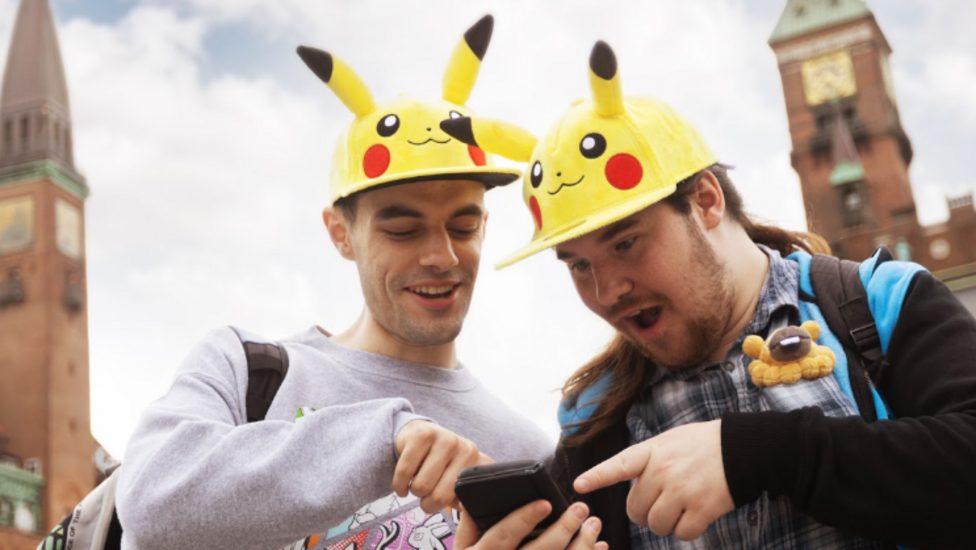
Pokémon Go's enduring commercial draw is partly sustained by its live events. Since the first Go Fest in 2017, the game has hosted major in-person gatherings in more than 60 countries, averaging over 400,000 attendees annually. In 2025, this live-events strategy reached Europe when the game's Wild Area event was hosted in Doncaster, South Yorkshire.
The title has not been without its operational challenges. During the pandemic, initial strict lockdowns "impacted Pokémon Go probably more than any other game out there," according to Michael Steranka, Scopely's vice president of product. The game's historical server instability during periods of peak popularity also posed significant technical hurdles.
However, the user base remains highly active. Millions still log on daily, and Scopely estimates players have collectively explored over 100 billion kilometres. "By allowing you to take your mobile phone out into the world to discover virtual creatures, Pokémon Go helped realise the millennial dream of becoming a Pokémon Trainer," said Matthew Reynolds, editor of Pokémon news website One More Catch.
Steranka addressed recent acquisition concerns directly. "My hope is that we prove to players over time that this is definitively a good thing for the game and the community," he said. The publisher's stated focus remains on maintaining the title's community-driven model rather than aggressive monetisation shifts.