Germany lags behind Europe with only two per cent of households using smart meters
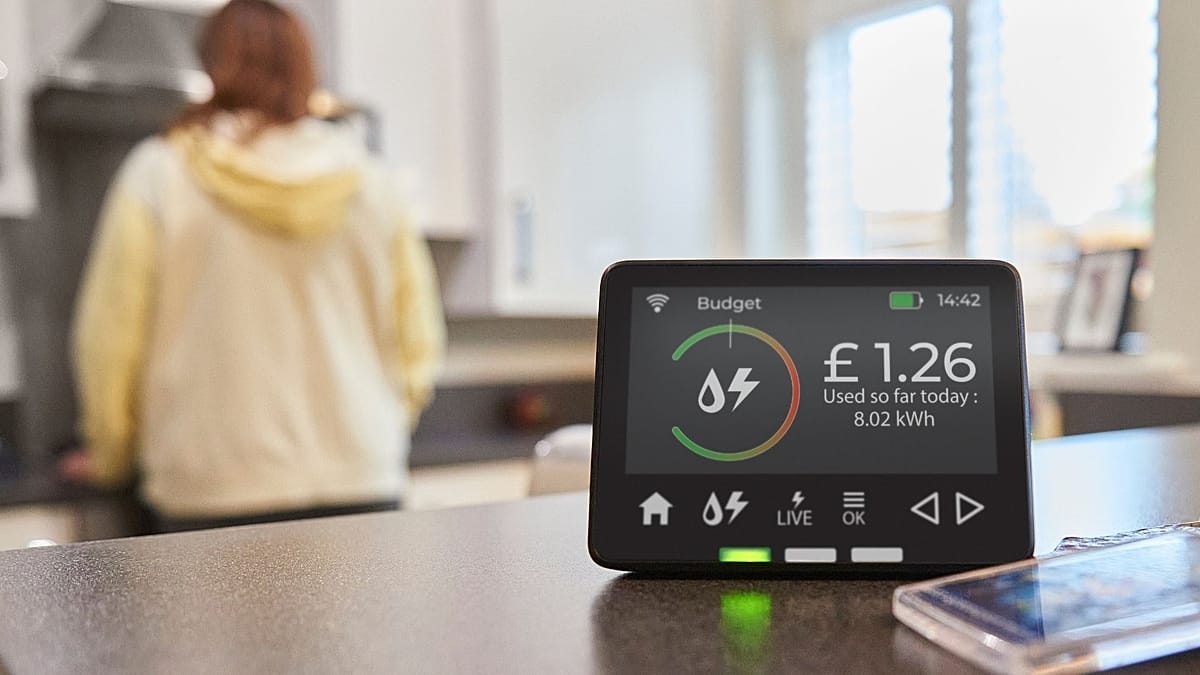
Germany has installed advanced smart meters in just two per cent of its homes, a delay that threatens the national renewable energy transition and costs consumers millions in wasted power.
Germany has equipped just two per cent of its households with advanced smart meters as of 2024, leaving the continent’s largest economy far behind its European peers. Despite introducing a mandate for certain consumers in 2025, the rollout remains sluggish and creates a significant bottleneck for the national power grid.
This technological deficit carries a heavy price tag for the German economy and its consumers. In 2025, the country paid approximately €435 million to renewable energy producers to curtail their output because the grid could not accommodate the surplus power. By contrast, the United Kingdom paid around €424 million in curtailment costs despite maintaining a 70 per cent smart meter penetration rate.
Smart meters automatically transmit consumption data to suppliers, enabling flexible time-of-use tariffs that encourage households to run heavy appliances when wind and solar generation peaks. The European Commission estimates that widespread demand-side flexibility could save consumers up to €71 billion annually by 2030, though more conservative projections suggest typical household bill reductions of two to 10 per cent.
Across the broader European Union, the overall rollout has severely missed its original legislative targets. A 2009 directive aimed for 80 per cent household coverage by 2020, but the bloc-wide average currently sits at roughly 60 per cent. New proposals introduced in June have lowered the ambition, seeking 50 per cent coverage by 2030 and 65 per cent by 2033.
While Germany stalls, other member states have successfully modernized their grids over the past two decades. Italy achieved near-universal coverage by 2011, Sweden reached the same milestone by 2009, and Denmark hit 100 per cent penetration by 2024. Conversely, nations like Hungary, Romania, and Croatia remain below 35 per cent, with Cyprus only beginning its mass installation in 2025.
The absence of these digital meters complicates Europe's broader climate goals as the uptake of electric vehicles and heat pumps accelerates across the continent. The International Renewable Energy Agency warns that battery storage must scale tenfold by 2030 to guarantee reliable power, making the intelligent management of supply and demand an absolute necessity for the future.