Tether's UK political ties raise concerns over European crypto regulation
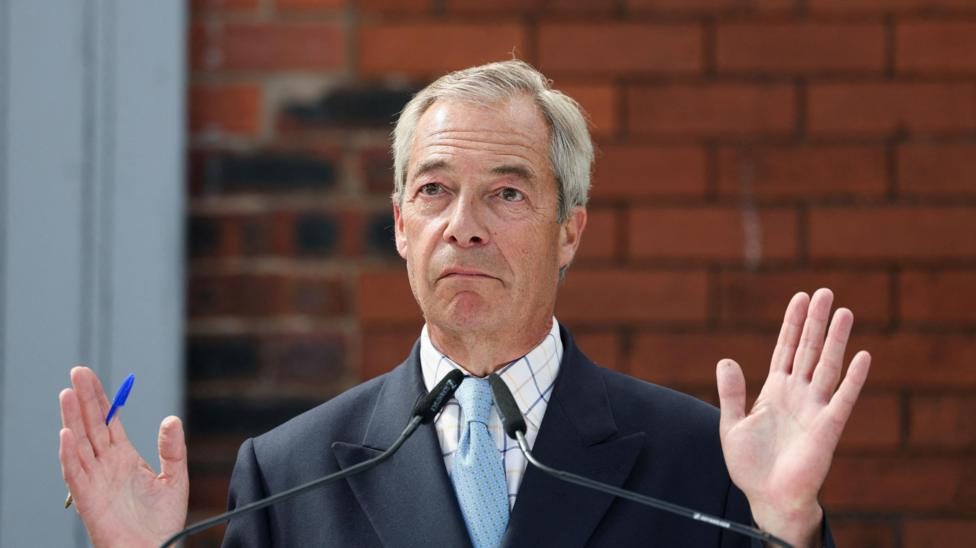
Nigel Farage’s Reform party has received millions from a major Tether shareholder while lobbying the Bank of England against stablecoin restrictions, highlighting a growing clash between crypto wealth and European financial oversight.
Reform party leader Nigel Farage lobbied Bank of England governor Andrew Bailey last September to ease planned restrictions on sterling stablecoins. This advocacy followed £15m in record political donations from Christopher Harborne, a 13% shareholder in Tether, as well as a separate, previously undisclosed £5m personal gift to Farage.
Tether has evolved into a massive financial entity, operating essentially as a private central bank with just 200 employees. According to European Central Bank data, the El Salvador-based firm was the world's largest buyer of gold last year. It also holds roughly $135bn in US government debt, exceeding the holdings of G20 member South Korea.
The crypto sector is highly sensitive to regulatory shifts, a fact underscored by recent events across the Atlantic. Following the passage of US legislation legitimising stablecoins, competitor Circle saw its valuation surge tenfold upon going public. Tether simultaneously prepared a capital raise valuing it at $500bn, an effort that boosted Harborne’s stake by billions of dollars during the exact month he donated £9m to Reform.
Bailey’s role extends far beyond the UK, as he chairs the Financial Stability Board, the international regulatory body reporting directly to G7 and G20 summits. He has warned that stablecoins risk destabilising markets if they lack guarantees on holding their value. Former Bank of England deputy governor Sir Charlie Bean cautioned that the current environment risks an "unsurprising regulatory race to the bottom amid the potential for greater profits."
Reform’s alignment with the industry is evident in its policy platform. Last year, the only draft legislation the party published was a Cryptoassets and Digital Finance Bill, which mentioned stablecoins but omitted the Bank of England's proposed holding limits. That document has since been removed from the party's website.
This financial intersection poses distinct risks for European markets. If Reform wins an early election before 2028, the party would be responsible for selecting Bailey’s successor. Bean noted that when funds come from major shareholders of large financial institutions, "there is a clear potential conflict of interest here, for example, in the appointment of a new Bank of England governor. Transparency is one solution."