Washington pressures European allies to withdraw from ICC
The US State Department has launched a campaign to dismantle the International Criminal Court, directly pressuring European governments to sever ties with the Hague-based institution or face scrutiny over US military and law enforcement assistance.
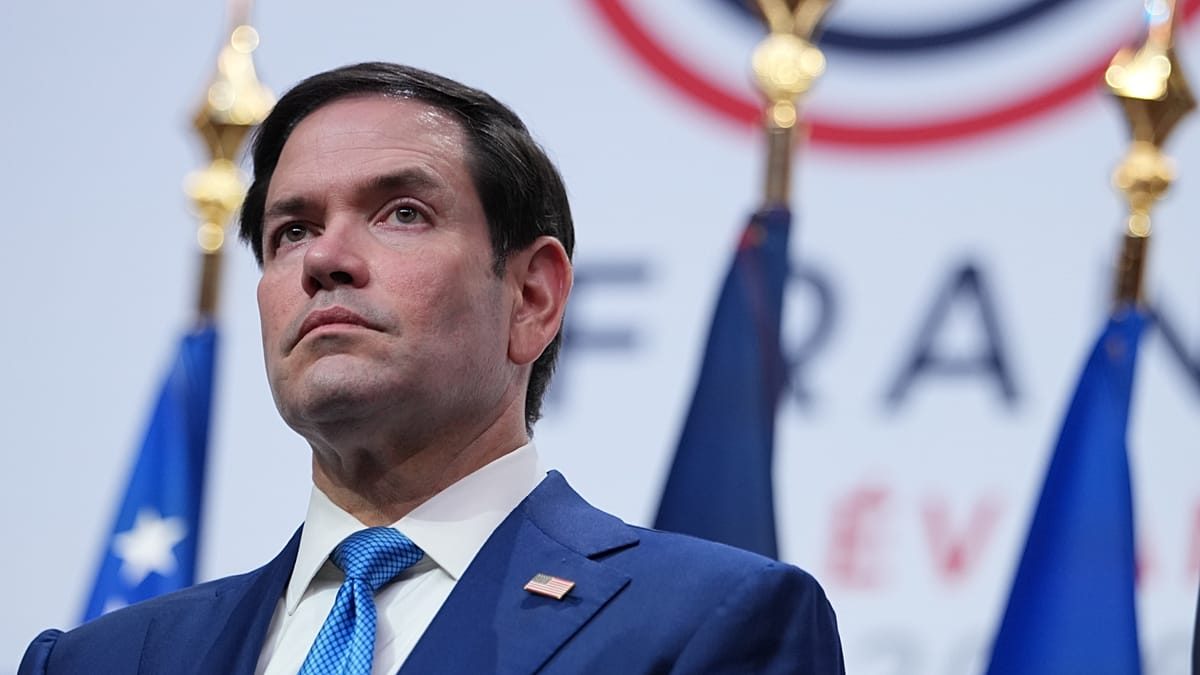
US Secretary of State Marco Rubio has announced a "whole of government" campaign to "dismantle" the International Criminal Court, escalating Washington's efforts to neutralise the institution. The administration is explicitly threatening to use US aid and security partnerships as leverage to force other nations to abandon the tribunal.
The State Department confirmed the US will pressure other countries "to withdraw from the ICC and cut off any financial support to the court." Because European nations are the primary financial and political backers of the court, they face the most immediate diplomatic fallout from this campaign.
Washington plans "increased scrutiny of nations that refuse to reject the ICC’s false authority while relying on US assistance." The administration specifically called upon "nations that partner with American law enforcement and the US military" to reject the court's authority to prosecute American personnel.
In a video posted on X and a Wall Street Journal op-ed, Rubio described the ICC as an "intolerable threat to US sovereignty." He claimed the institution has abandoned its original mandate as a "narrow backstop" for the gravest offenses. "The ICC and its friends are waging a war against our country, not with bullets or missiles, but with statutes, compacts and the force of so-called international law," Rubio said.
The State Department stated the campaign aims to "systematically disable the ICC's ability to operate, target American servicemen or officials, or otherwise threaten American sovereignty." It argued that "Americans never signed up for this," noting that US presidents have long maintained the court lacks jurisdiction over American citizens.
Legally, the ICC only investigates crimes committed in states that are party to the 2002 Rome Statute. The United States has not ratified the treaty, and the court has never opened an investigation into crimes committed on American soil.
International legal experts immediately criticised the campaign. Kenneth Roth, the former executive director of Human Rights Watch, accused the administration of seeking "to be able to commit war crimes with impunity even on the territory of governments that have joined the International Criminal Court."
"Rubio is dressing up his quest for impunity for American war crimes abroad under the label of national sovereignty, which ignores the sovereign right of other nations to invoke the ICC for crimes committed on their territory," Roth said. "He makes it sound like the ICC acts out of the blue anywhere it wants when in fact it acts only against crimes committed on the territory of states that have invited it."
For European governments, the strategy introduces a direct conflict between their reliance on American security cooperation and their commitment to a multilateral legal system headquartered on their own continent.