Counter-terror probe into Widdecombe death sparks UK MP safety debate
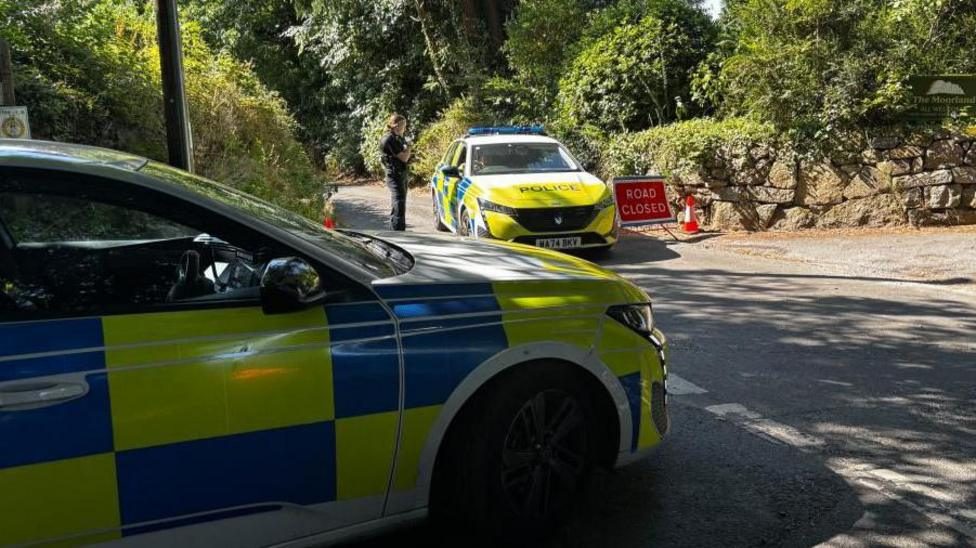
A counter-terrorism investigation into the death of former MP Ann Widdecombe has ignited an urgent debate in Westminster over whether current security measures are failing to protect an expanding list of political figures.
Counter-terrorism police have taken over the investigation into the death of Ann Widdecombe, prompting a sombre mood in the House of Commons and an immediate public reckoning over the safety of British politicians.
The incident has exposed a growing flaw in the UK's protective apparatus: the threat to public life is no longer confined to the 650 sitting MPs. Authorities must now assess how to safeguard former parliamentarians like Widdecombe, prominent party figures such as Green Party leader Zack Polanski, and regional leaders like Lincolnshire Mayor Andrea Jenkyns.
The sense of vulnerability among lawmakers is acute. Sir Bernard Jenkin noted what he called an "unfortunate statistical fact that as a member of parliament you are more likely to meet a violent death than a member of His Majesty's armed forces or a member of the British police forces." Veteran MPs argue the environment feels more dangerous than ever, pointing to social media as a catalyst for normalising violent abuse.
Sir Iain Duncan Smith directly linked online rhetoric to physical harm. "We need to reiterate, and the Government and the home secretary needs to specify, to all those social media companies they must do something to close down on the visceral, violent language that some people use, attacking personally — as they did over her murder — which has shocked me, to make sure we get on top of that because that is the root of violence and death."
Home Secretary Shabana Mahmood acknowledged the escalating concerns. "The Government has already done some work in this area, but I'm sure we will have to go further," she said. As part of this push, Mahmood offered Reform UK leader Nigel Farage a meeting with the chair of the Royal and VIP Executive Committee (Ravec), the body overseeing MP security. Farage accepted, stipulating he intends to raise the safety of all Reform politicians.
The challenge of providing adequate protection is complicated by friction over state resources. A Reform spokesman revealed the party rejected a state-funded bodyguard and driver for Farage last year, claiming the offer represented a 75% cut. "Within days of the assassination of Charlie Kirk, at a moment when the threat to public figures on the right was escalating, the security package Mr Farage was offered represented a 75% cut without clear reason," the spokesman said. "Faced with a state offer that no longer matched the threat against him, Nigel declined the downgraded and inadequate package and Reform took the responsible decision to maintain proper protection rather than gamble with his life."
For the broader European political landscape, the UK's crisis underscores a democratic dilemma. If Westminster cannot guarantee the safety of its public servants, the risk extends beyond individual tragedies to the very ability to recruit the next generation of politicians.