Greek island of Andros pivots to agritourism as artisanal wine and dairy expand
New wineries and modernised dairy operations are reshaping the economy of the Cycladic island of Andros, though labour shortages and high transport costs threaten to cap its growth.
New wineries and modernised dairy operations are reshaping the economic landscape of Andros, the second largest island in the Cyclades. Local producers are increasingly pivoting from traditional maritime reliance toward high-value agritourism and artisanal exports.
This shift represents a broader trend in rural European economies seeking resilience through premium local products. For Andros, it means leveraging its schist soils and microclimate to attract wine tourism and expand regional food distribution.
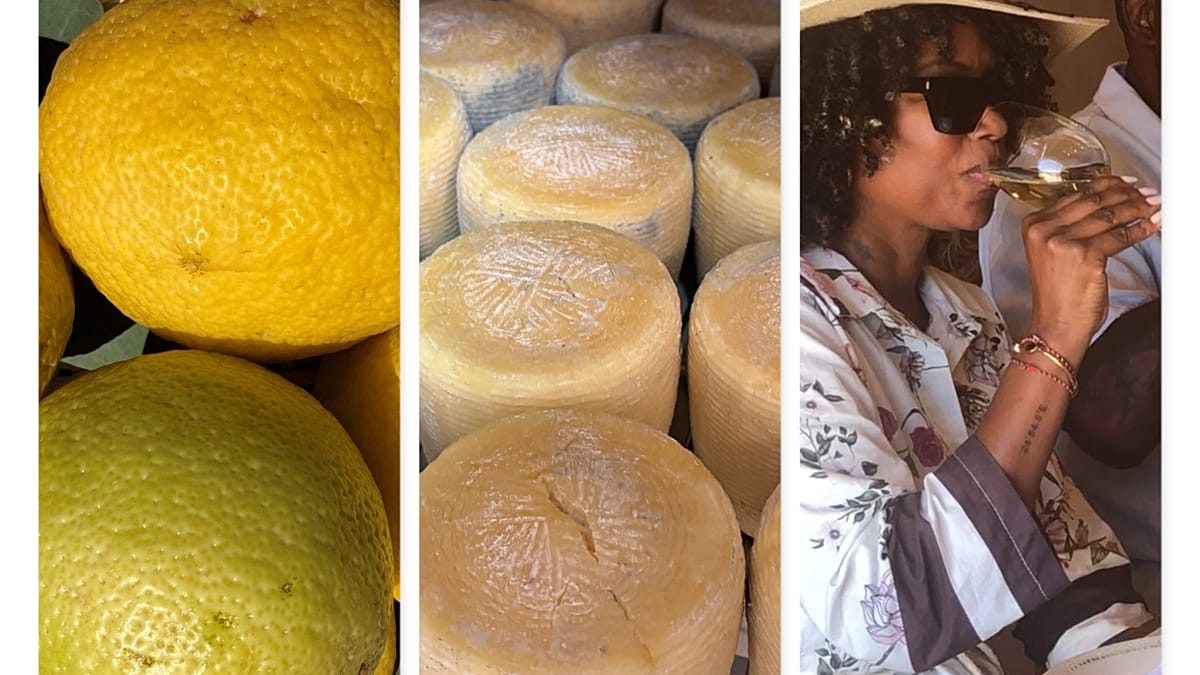
Modern wineries have recently revived the island's vineyards. The Kourtesis vineyard, situated on stone-built terraces 100 metres above sea level, now operates a semi-underground winery offering guided tastings.
Oenologist Vasso Chaviaraki returned to the island to produce organic wines and olive oil. She noted that while households traditionally made their own wine, the current goal is to achieve worldwide recognition for professional-level mavrotragano and potamisi varieties.
The dairy sector is experiencing similar professionalisation. Since 2009, the Krevasara dairy in the Korthi area, run by the Asouti family, has produced traditional cheeses including Volaki, ladotyri, krasotyri, petrotí and bourniá.
Cheesemaker Nikos Asoutis processes around 500 kilos of pasteurised cow’s milk daily, sourced from his own free-roaming animals and five other local cattle farmers. He confirmed that the products now reach markets in Athens, Thessaloniki and across Greece.
Citrus remains a cultural and economic anchor. The Andros lemon, historically exported to Central Europe and Russia, is still celebrated annually at a local festival.
"The lemon is the gold of Andros," said farmer and cook Charikleia Daniolou, emphasizing the community's drive to preserve this tradition despite lower production volumes. Cultural councillor Laskaró Stefanou noted that local associations continue to showcase homemade lemon products to maintain the island's heritage.
This authentic agricultural output directly fuels the island’s tourism appeal. American visitors like Troy Porter, who bought a house on Andros two years ago, cite the tranquillity and local hospitality as key reasons for their repeated stays and social media promotion.
However, island-based entrepreneurship faces severe structural headwinds. Transport costs for exporting goods remain high, squeezing profit margins for local businesses.
A critical shortage of workers further threatens expansion. Assistant cheesemaker Maria Doli, who relocated from Athens to help, stated that finding workforce support has become a major problem for any business operating in the countryside.
Despite these logistical and demographic hurdles, the integration of premium food production and tourism continues to redefine Andros. The island’s economic future now depends on balancing its artisanal heritage with the practical demands of modern rural enterprise.