Film fans fly to Australia for Nolan's analogue Odyssey
European audiences are travelling to Melbourne to watch Christopher Nolan's The Odyssey on scarce 1570 film, signalling a new consumer willingness to pay premium prices for physical cinema experiences.
Christopher Nolan’s The Odyssey opens this week, but European fans are flying to Melbourne to see it. Christian Wächter and Romy Demeter travelled from Germany, via a work trip in Indonesia, specifically to watch the film twice at IMAX Melbourne. “People have asked, why would you take that plane to Melbourne and see a movie? Because it’s the biggest 1570 screen in the world,” Wächter says.
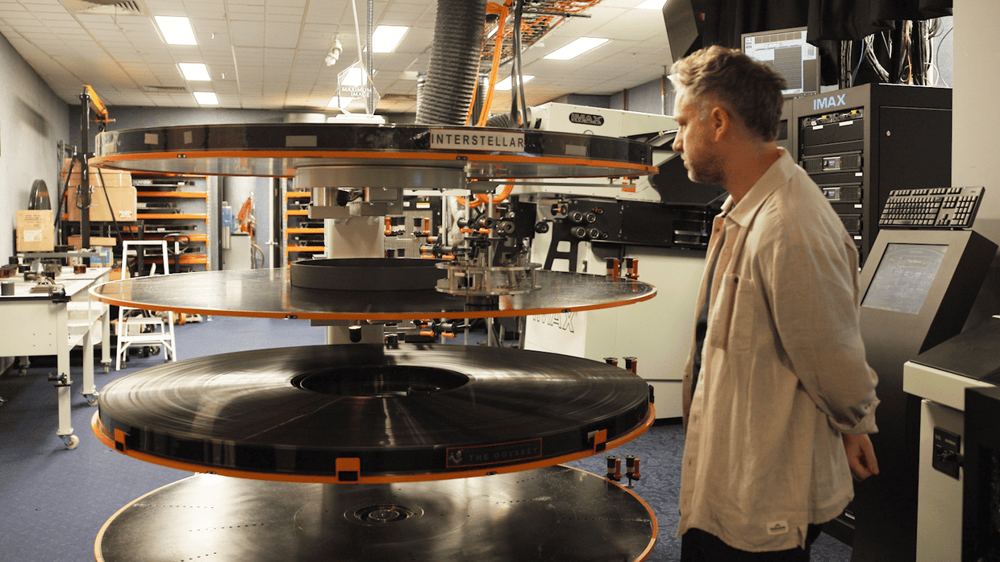
The draw is IMAX 1570, the highest-resolution film format in existence, which Nolan used to shoot The Odyssey entirely. The technology is expensive and cumbersome, requiring 180kg cameras that must be reloaded every three minutes. Most cinemas abandoned film for digital a decade ago, leaving only 41 venues globally capable of projecting 1570, including just seven outside North America.
This scarcity is transforming how audiences consume cinema and driving a new form of cultural tourism. IMAX Melbourne has sold more than 30,000 tickets for The Odyssey, making it the venue's eighth highest-grossing film before it even opens. “We’re seeing more people travel than ever. We have people who built their holidays around their Odyssey screening,” says general manager Jeremy Fee.
Nolan’s success is driving a mini-revival for physical film that has broad implications for the cinema industry. Since the release of Oppenheimer three years ago, the number of 1570-capable cinemas has grown from 30 to 41. Fee reports that other directors are returning to 35mm, 70mm and VistaVision to offer an experience that cannot be replicated on home televisions.
For European consumers, the premium is justified by the analogue quality. “There is a bigger Imax screen in Germany but it’s digital, so you don’t have the full peripheral vision,” Wächter says. “This is the way you should watch that movie, nothing else makes sense.”
This shift in consumer behaviour suggests a segment of the market now views film formats as a primary factor in ticket purchases. As audiences increasingly understand the difference between digital and physical projection, European cinema operators may face renewed pressure to invest in premium analogue infrastructure to capture this high-spending demographic.