Sweden offers no blanket deferrals under new citizenship rules
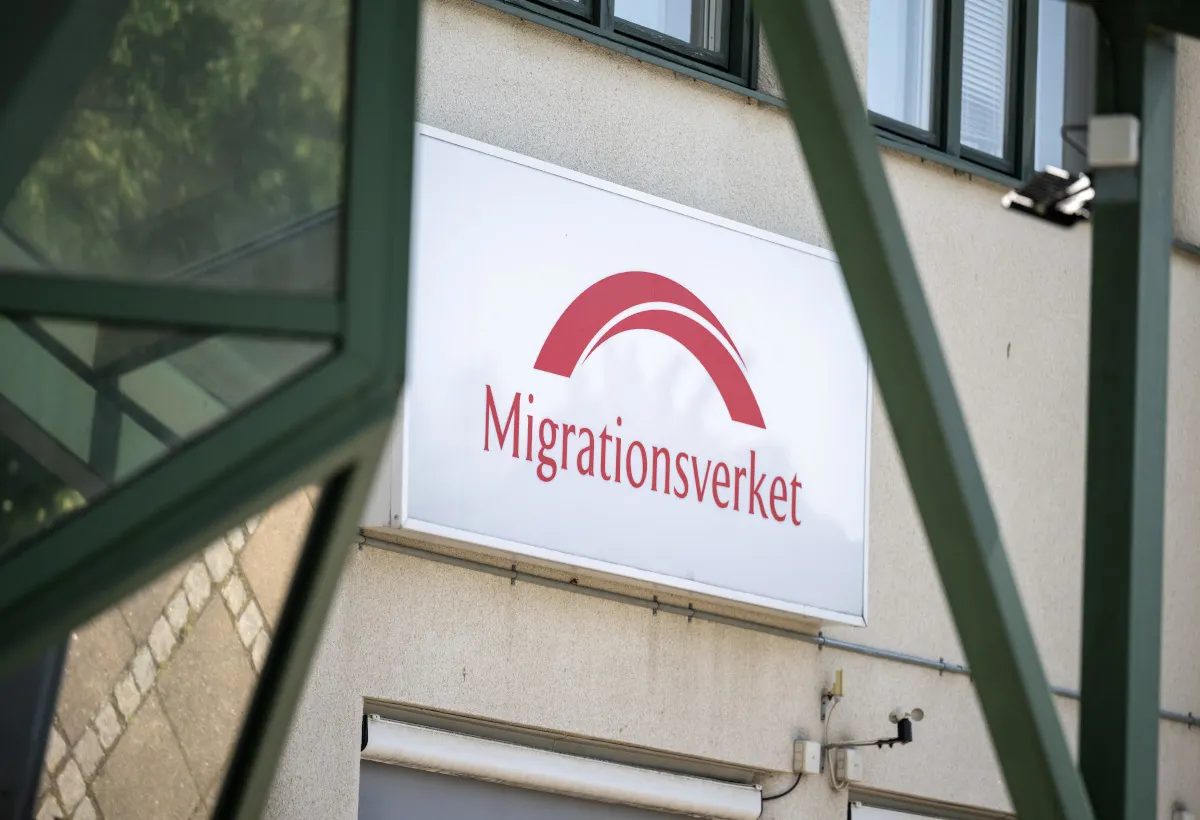
Sweden's migration authority will not universally pause citizenship applications for those lacking new test requirements, creating lingering uncertainty for employers relying on foreign talent.
Sweden's Migration Agency will not universally pause citizenship applications so applicants can wait for new language and civics tests, keeping hiring timelines uncertain for businesses relying on foreign labour.
New citizenship rules took effect on June 6th, introducing an eight-year residency requirement and mandatory assessments. Åsa Holmes, head of the agency's citizenship unit in Gothenburg, confirmed that officers are not fast-tracking rejections for applicants who fall short of the residency threshold, despite online rumours.
"No no. They always have to work on all their cases," Holmes said, explaining that case officers continue to process files based on an established priority order favouring older cases and those subject to court orders.
The immediate concern for the labour market centres on how the agency handles applicants who meet all criteria except the new testing requirements. Holmes explicitly ruled out blanket pauses to applications. "We're not 'pausing' any applications so that people meet requirements for the future," she stated.
While applicants can request a deferral if the agency asks for additional information, this is strictly a mechanism to grant a short extension for gathering documents, not a tool to delay a decision until state infrastructure catches up.
This case-by-case methodology creates planning difficulties for companies. Employers often base long-term retention and mobility strategies on predictable immigration processing times. When citizenship timelines become unpredictable, it complicates workforce management for sectors struggling with skill shortages.
The uncertainty is amplified by the uneven rollout of the testing regime. A select group of applicants will sit the first civics exam on August 15th, chosen because their applications were already at a stage requiring the test. However, the Swedish Council for Higher Education will not launch a dedicated language test until autumn 2027.
Applicants are therefore advised to secure alternative proof of Swedish proficiency immediately. The agency will accept interim solutions like the Tisus test or Swedex exams administered by Folkuniversitetet.
Proving civics knowledge without waiting for the official test is more complicated. Applicants who lack credentials from secondary school or adult education programmes like Komvux must negotiate directly with their assigned case officer.
"There are so many parameters when we assess an application," Holmes said, justifying the refusal to provide blanket guidelines for deferrals. "It becomes very complicated to say a general rule."
For the broader economy, the message is clear: foreign residents must independently navigate alternative certification routes rather than wait for the state's new testing apparatus to become fully operational.