Europe deploys first $6bn of $200bn defence plan
The European Union has deployed the initial tranche of its $200 billion defence financing programme and surpassed NATO's spending benchmark, triggering a structural shift toward an integrated European arms market.
The European Union has begun deploying the first $6 billion of its new $200 billion defence financing programme, marking the transition from planning to actual procurement. Eighteen member states are participating in the initiative, which aims to accelerate weapons purchases and expand industrial capacity. The deployment comes as Europe collectively spent 2.1% of its GDP on defence in 2025, officially surpassing NATO’s benchmark, with frontline states like Poland, Lithuania, Latvia, and Estonia moving toward 5%.
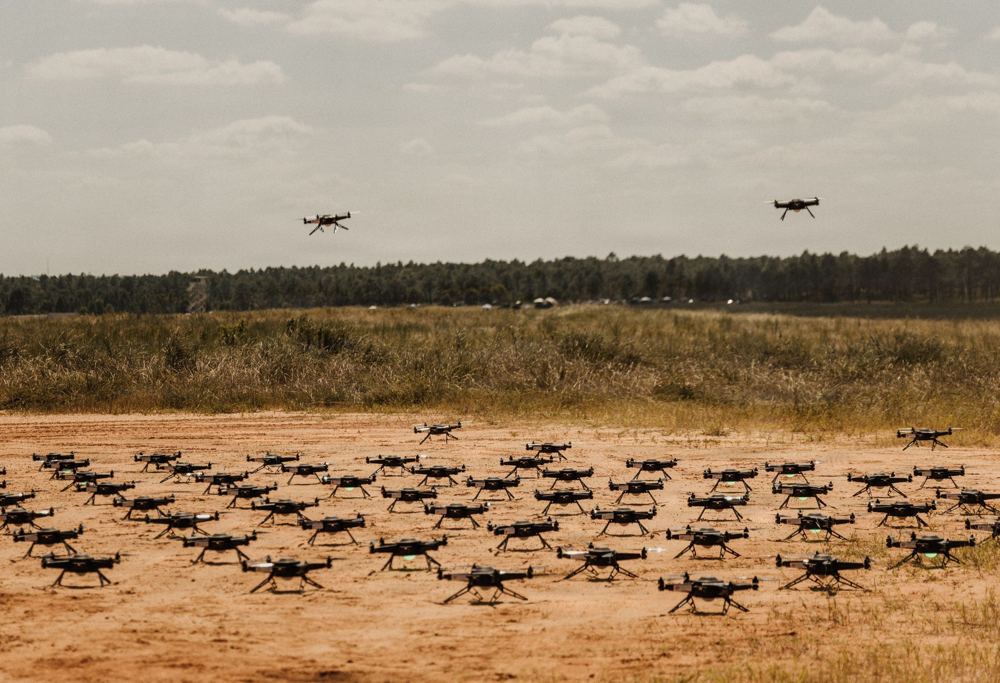
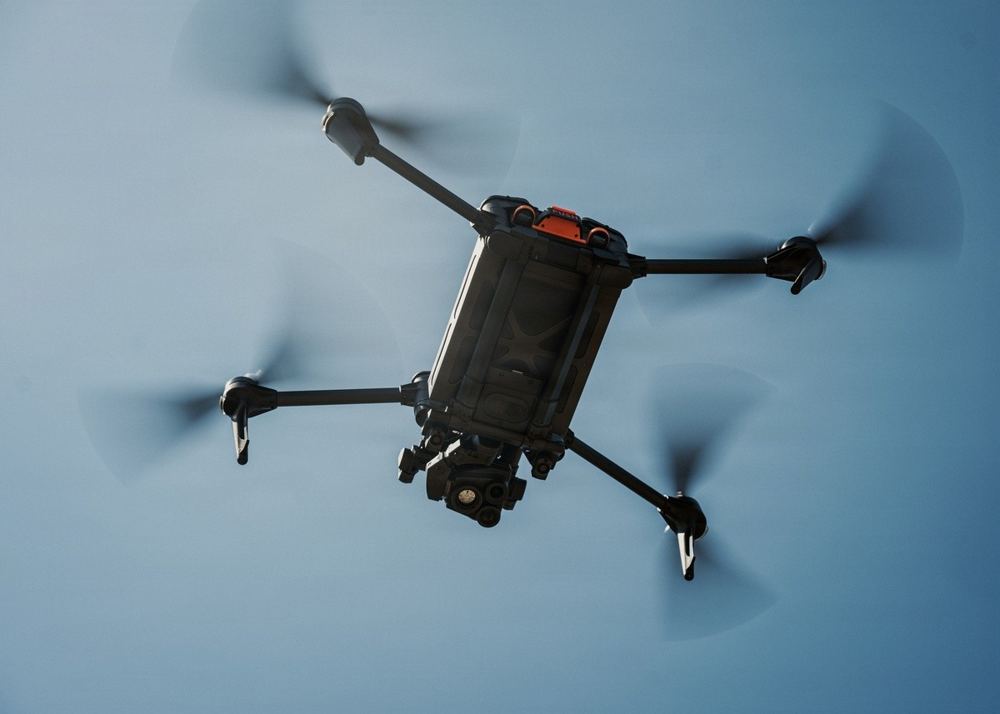
This capital injection is the operational arm of Readiness 2030, a nearly $1 trillion roadmap for new weapons and technology. It is already driving a tangible industrial expansion across the continent. Private investment is flowing into next-generation drones, armoured vehicles, artificial intelligence and electronic warfare.
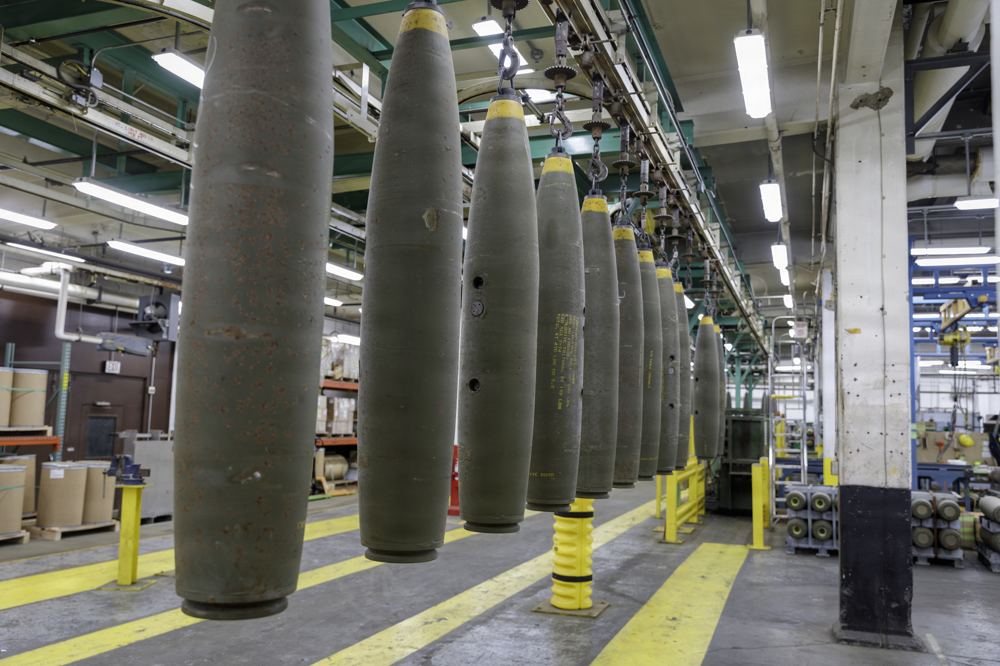
New factories are opening and existing production lines are scaling up to meet demand. A flagship example of this integration is the planned production of ATACMS missiles in Germany. The joint venture between Lockheed Martin and Rheinmetall marks the first time the system will be manufactured outside the United States.
The financial push is forcing a long-overdue restructuring of how Europe buys its military hardware. For decades, 27 separate national defence markets operated under fragmented rules, causing costly duplication and delays. The EU is now actively dismantling these barriers to enable joint procurement, giving manufacturers the predictable demand signals needed to justify expanding production lines.
Despite the push for sovereignty, the economic reality of the transatlantic defence market remains deeply intertwined. European nations still source more than half of their defence procurement from US suppliers, making the continent the largest customer for American arms exports at nearly 40%, or $130 billion worth. The EU and its member states have also channelled a significant share of their $300 billion in overall support for Ukraine directly to US defence firms through joint procurement.
The primary obstacle for Europe's own defence sector is no longer just funding, but industrial scale. EU Defence Commissioner Andrius Kubilius recently noted that Europe has become highly adept at producing "haute couture missiles", sophisticated, bespoke systems that are expensive and slow to build. The next phase of the continent's industrial strategy, to be outlined in a new European Security Strategy later this year, must shift this focus toward mass-producing rapidly deployable capabilities.