Uzbekistan cuts poverty to 6.8% through rural micro-businesses
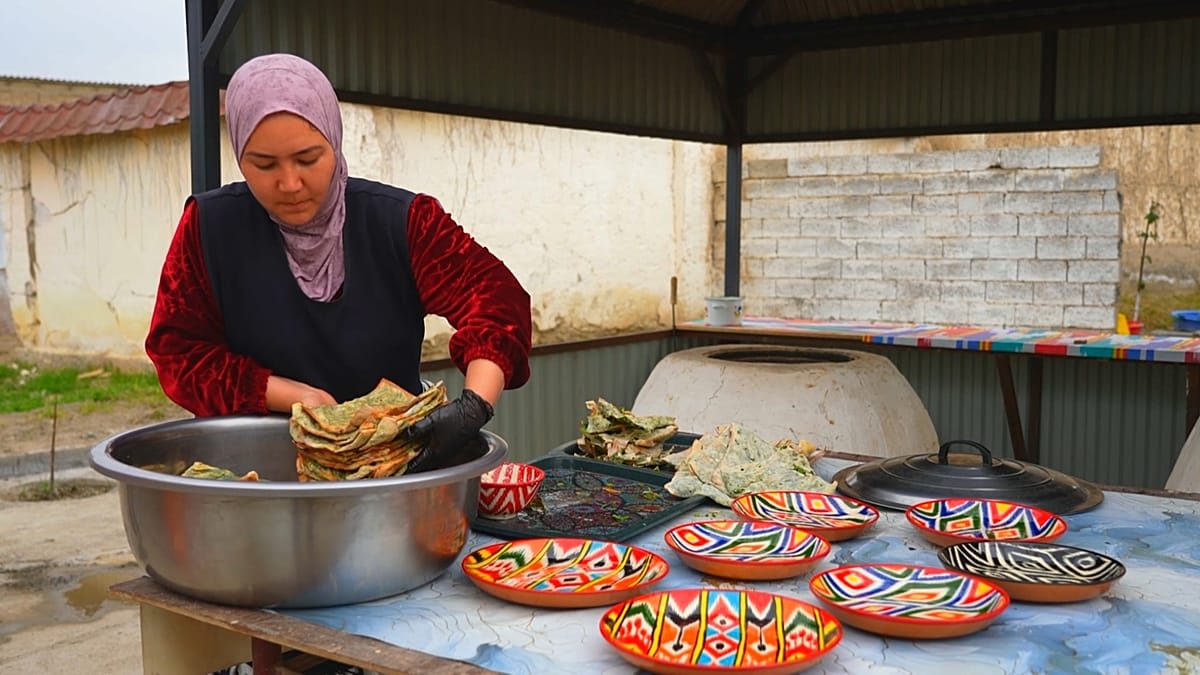
Uzbekistan has reduced its poverty rate from 35% to 6.8% over nine years by backing rural micro-enterprises, signalling the emergence of a more stable consumer market in Central Asia.
Uzbekistan has lifted 8 million people out of poverty since 2016, bringing the national poverty rate down from 35% to 6.8%. The government attributes this shift to a targeted micro-enterprise strategy that distributes preferential loans and subsidies directly to rural households.
This rapid wealth generation at the grassroots level is reshaping Central Asia's most populous country into a more viable market for European trade and investment. By formalising small-scale agriculture, livestock farming and rural tourism, Uzbekistan is building a domestic consumer base while increasing its capacity for agricultural exports to foreign markets.
The engine of this transformation is the "From Poverty to Prosperity" programme. According to the Ministry of Employment and Poverty Reduction, the state allocated over €162 million in loans and €19.6 million in subsidies this year alone. More than 760,000 families received tailored development plans in 2025, connecting them to vocational training and local market opportunities.
Localised economic strategy
Implementation relies heavily on the country's traditional mahalla neighbourhood system, where local officials assess market demand before distributing funds. In the Pastdarg'om district, assistant hokim Jahongir Normo'minov noted that focusing on export-oriented cherry production and metal manufacturing helped increase the number of local businesses from 18 to 61 in a year. He said this drove local poverty down from 19% to 2.9%.
The capital is reaching individual farmers like O‘lmasjon Jumayev, who used an initial €370 preferential loan in 2013 to build a 70-square-metre greenhouse. His operations have since expanded to nearly 1,000 bee colonies. “We never stay unemployed,” Jumayev said. “We create work for ourselves, and it supports our household.”
The programme is also unlocking employment in services and supply chains. In Samarkand, Fazilat Jo‘rayeva opened a yurt-style restaurant that now employs 35 people and supports roughly 100 families through its supply network. “People finish work in the afternoon and return home with a stable income,” she said.
To sustain this growth, authorities are upgrading rural irrigation and electricity networks while rolling out an "Online Mahalla" platform to monitor household incomes and micro-projects in real time. With 2026 designated the "Year of Mahalla Development and Community Support," the government is signalling its intent to deepen this localised economic model.