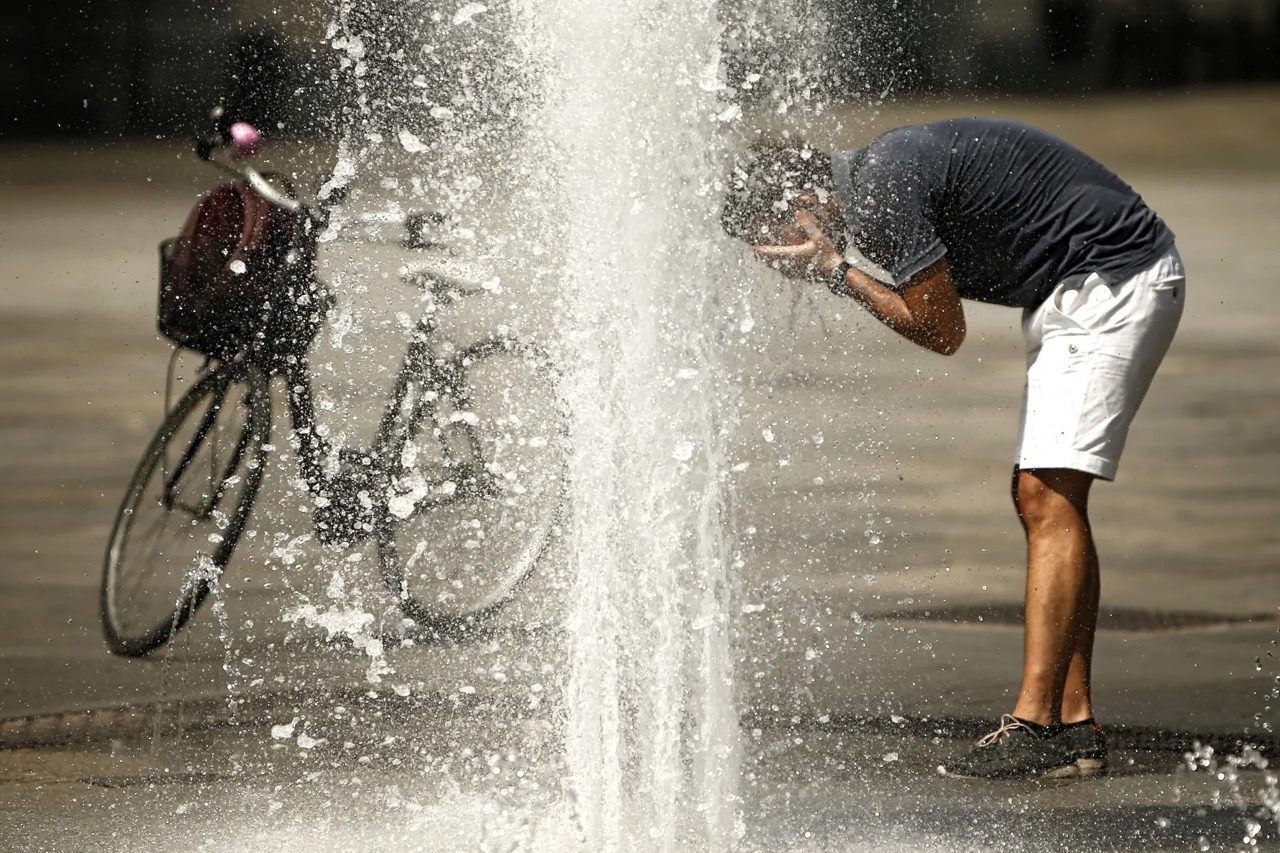
Record heat pushes up costs for Italy's €4.5bn Parmesan industry
Extreme temperatures are reducing milk yields and driving up energy bills for Parmigiano Reggiano producers, threatening the supply and margins of a major Italian export.
Record temperatures exceeding 40 degrees Celsius in northern Italy are slashing milk yields and driving up energy costs for Parmigiano Reggiano producers. The extreme heat is disrupting a €4.5 billion agricultural export that relies on strictly local supply chains.
"Extreme heat impacts milk's quality and quantity," said Nicola Bertinelli, president of the Parmigiano Reggiano Consortium. Cows in the Emilia-Romagna region are eating less and lying down more, resulting in a drop of up to 10 percent in milk output.
The cheese can only be made using milk from cattle fed exclusively on local grass and hay. "If it doesn't rain, grass doesn't grow, hay cannot be produced and it's impossible to obtain the milk needed to make the cheese," Bertinelli added.
Producers are attempting to adapt to the changing climate. Barn windows that were once opened only at night now remain open continuously, while farmers have installed fans and water-mist systems to keep livestock cool.
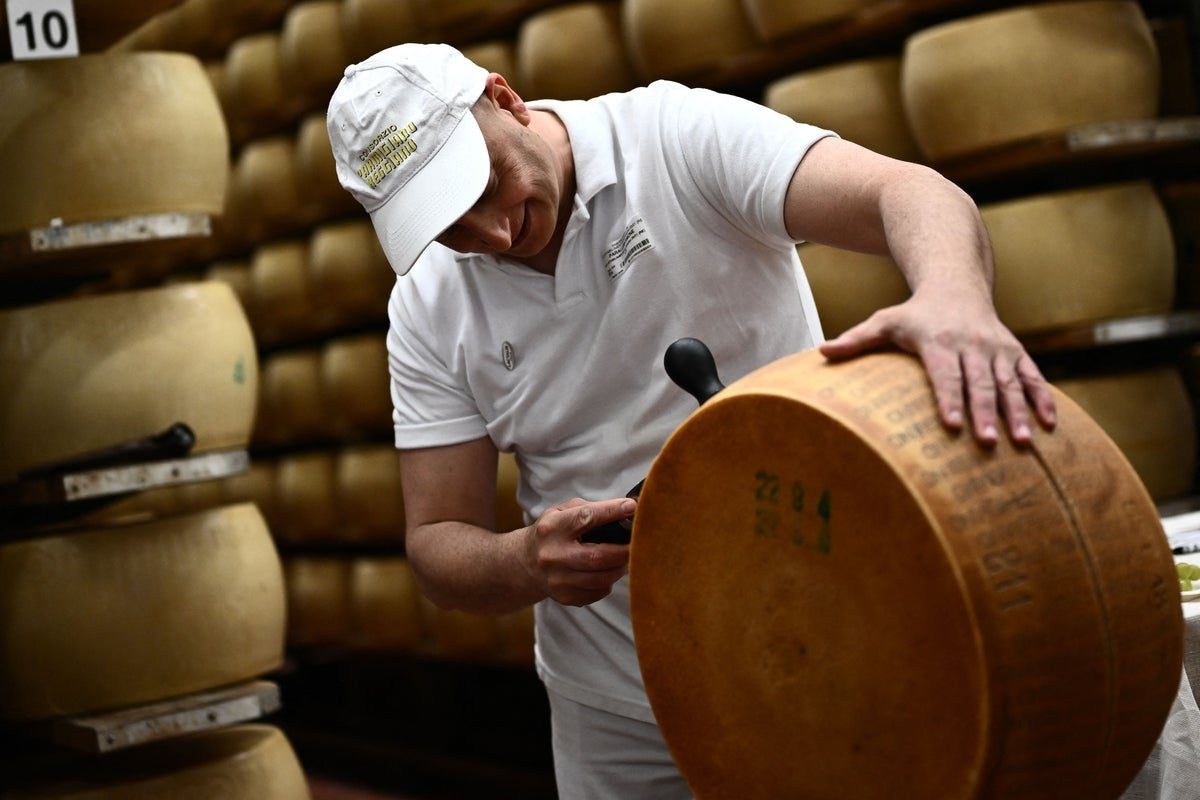
These adaptations are expensive, and the financial strain extends to the aging warehouses where cheese wheels must be stored for at least 12 months. More than 500,000 wheels, valued at over €300 million, are held in just two warehouses operated by Credito Emiliano unit MGT in Reggio Emilia and Modena. "During this year's peak heatwaves, our daily energy consumption rose by about 30%," said MGT director Giancarlo Ravanetti.
To manage these rising bills, warehouse operators are investing in efficiency. "To make our facilities as energy-efficient as possible, we have improved our cooling systems and boilers, upgraded building insulation and increased renewable energy production," Ravanetti added.
The economic stakes for Italy are significant, with exports accounting for more than 50 percent of global sales and the United States acting as the largest foreign market. The industry employs thousands and generated an estimated €4.5 billion in revenue in 2025. Major producers like GranTerre, which posted €1.87 billion in consolidated revenue last year, are closely monitoring the climate's impact on margins.
Industry executives warn that prolonged heatwaves could structurally alter the economics of the sector. "If extreme events become longer-lasting and more intense, they will certainly have an impact on both the quantity and quality of milk, but above all they will lead to higher costs," said Paolo Ganzerli, international sales director at GranTerre.
Despite technological interventions in cooling and storage, producers remain mindful of the tradition underpinning their product. "The human factor remains key and is the real strength of the entire process," Ravanetti said. "Parmigiano Reggiano has existed for more than 800 years," Ganzerli added. "We don't want to be the last generation to eat it."