EU rejects US campaign to disable International Criminal Court
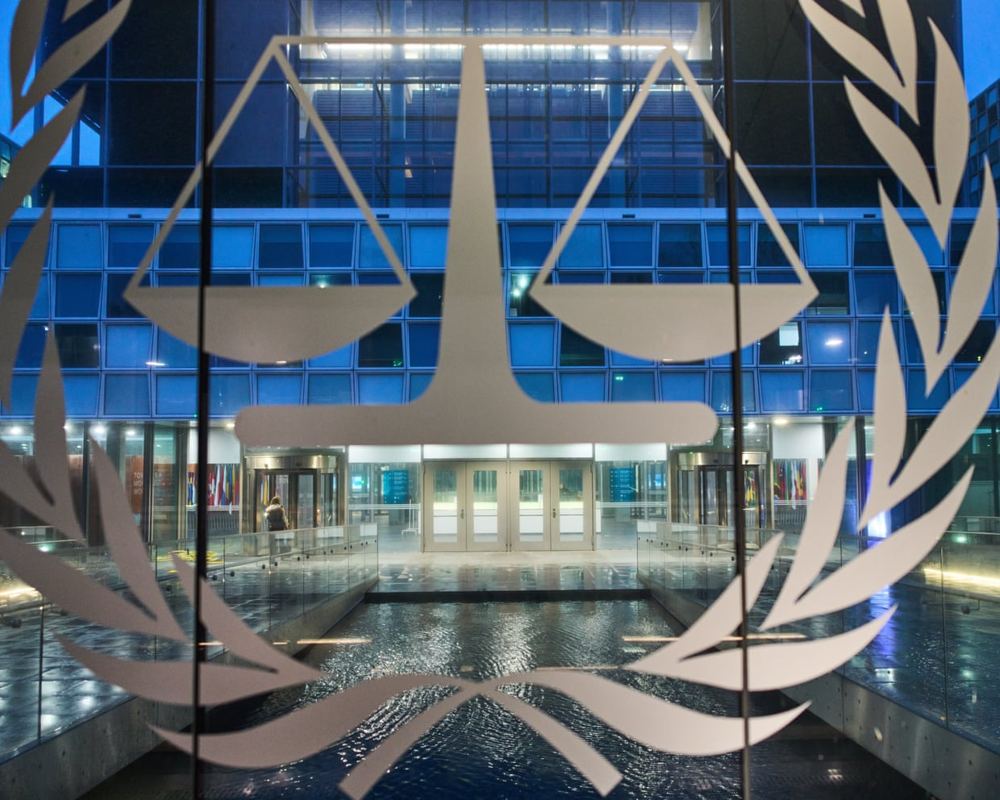
The European Union has openly defied the Trump administration by rejecting its claims that the International Criminal Court threatens US sovereignty, as Washington threatens to punish allied nations that refuse to withdraw from the tribunal.
The European Union has publicly rejected the Trump administration’s assertion that the International Criminal Court threatens American sovereignty. Anouar El Anouni, an EU spokesperson, said on Tuesday that attacks or threats against the court, its elected officials, personnel or those cooperating with it are "simply not acceptable."
The rebuke came a day after US Secretary of State Marco Rubio announced a campaign to "systematically disable" the Hague-based tribunal. Rubio claimed the court "threatens every aspect of our political and legal system" and warned that US border agents and elected leaders could be dragged before international judges.
El Anouni pushed back on this premise, noting that the tribunal does not target sovereign states. "The ICC does not target sovereign states, nor does it constitute a threat to their sovereignty," he said, stressing that it "exercises jurisdiction over individuals, perpetrators of the most serious crimes of concern to the international community."
Washington’s new strategy goes beyond existing sanctions on 11 court officials, including the chief prosecutor and eight judges, which have left them without credit cards, Amazon and Google accounts, and subject to US travel bans. The State Department said it would now use "increased scrutiny" and pressure to force other nations to withdraw from the ICC, explicitly warning countries that rely on US assistance.
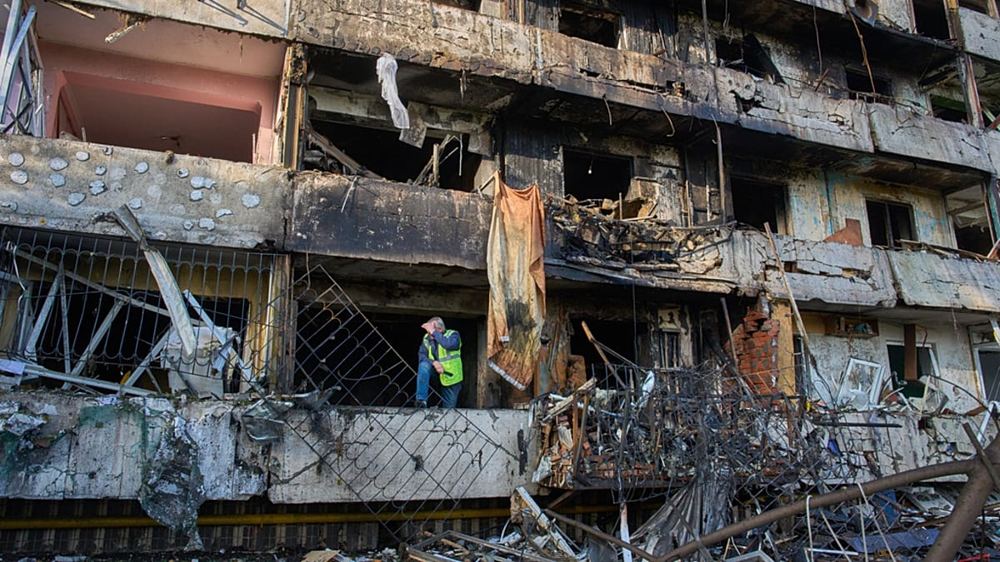
This threat places European allies in a difficult position, with Ukraine being a primary example. The ICC launched an investigation there in 2022 into possible war crimes following Russia’s invasion, meaning Kyiv would face direct US pressure to abandon a mechanism it is actively using to hold Moscow accountable.
Legal experts have noted that Rubio’s framing mischaracterises the court's design. The tribunal only steps in when a country cannot or will not investigate grave crimes like genocide or war crimes itself. The US is not a member state, and roughly 100 countries have signed agreements not to surrender Americans to the court.
Kenneth Roth, the former executive director of Human Rights Watch, argued the US campaign is about securing impunity. "The ICC is not claiming jurisdiction over conduct in the United States," Roth said. "Rubio is dressing up his quest for impunity for American war crimes under the label of national sovereignty, which ignores the sovereign right of other nations to invoke the ICC for crimes committed on their territory."
A former senior US government sanctions official suggested the move is a pre-emptive strike against potential investigations into American actions abroad, such as in Venezuela. Rubio specifically cited calls to prosecute the Trump administration over migrant deportations and strikes on boats suspected of carrying narcotics. Roth added: "Trump wants to be able to commit war crimes on the territory of countries that have accepted the court’s jurisdiction, that’s what this is about."