£5.5m fake kit raid highlights scale of Europe's counterfeit trade
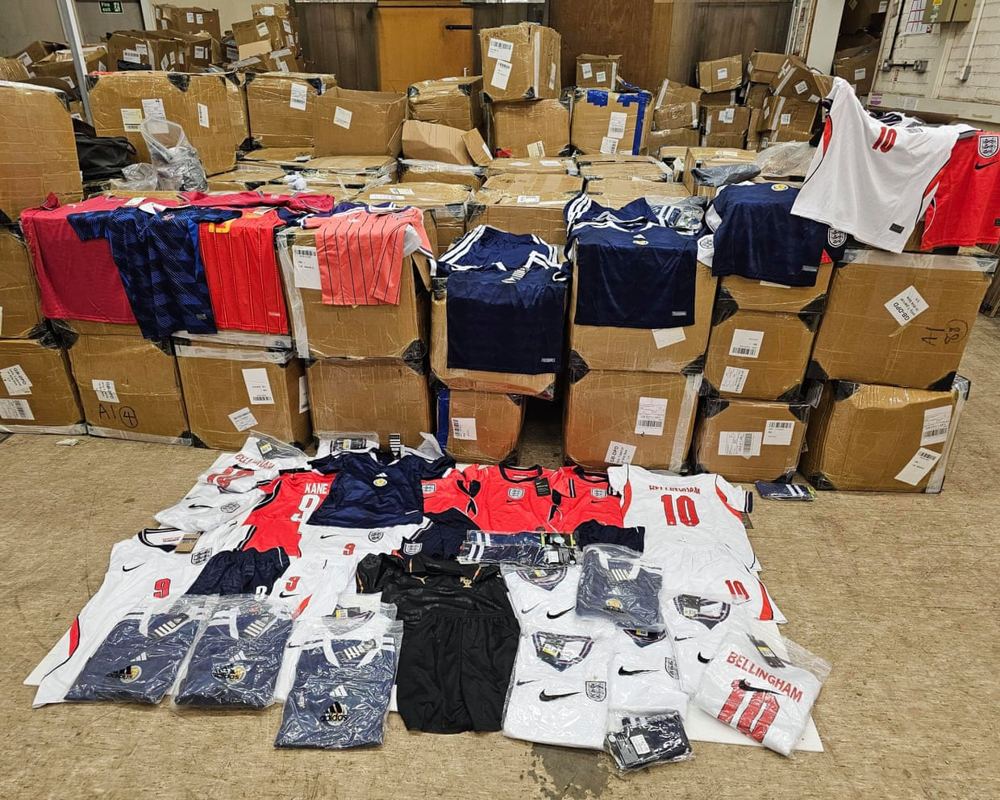
Scottish authorities have seized over 158,000 fake football shirts worth £5.5m, exposing a vast illicit supply chain that deprives European sports bodies of vital revenue and funds organised crime.
Edinburgh trading standards officers have confiscated more than 158,000 counterfeit football shirts weighing nine tonnes. The haul, valued at an estimated £5.5m, is one of the largest ever recorded in the UK. It included fake strips of World Cup semi-finalists France and Spain, alongside England and Scotland kits, all destined for the black market.
The raid resulted from a targeted intelligence operation by Police Scotland, national trading standards bodies, and Edinburgh council. Authorities timed the operation as the World Cup drives unprecedented fan demand for national team merchandise. Authentic brand owners have now verified the seizures as fakes, and the garments will be recycled.
A drain on sports revenues
Major tournaments reliably generate consumer interest across Europe, but they also trigger a dangerous surge in counterfeit goods. A Scottish Football Association spokesperson noted that income from licensing is invested "into the game at every level, from the grassroots scene through to the senior international squads." Without these funds, the broader football ecosystem would be severely impacted.
This single Scottish seizure represents only a microcosm of a much broader economic drain. The Chartered Trading Standards Institute points to international trade estimates valuing the global counterfeit and pirated goods market at roughly $467bn annually. That equates to 2.3% of all global trade, demonstrating the massive scale of the illicit market.
Links to organised crime
Authorities stress that purchasing fake kits is far from a victimless crime. Counterfeit dyes can contain harmful toxins and flammable materials, while the profits frequently flow directly to organised crime syndicates. Investigators are currently tracing the supply routes, which are often tied to human trafficking, modern slavery, and the exploitation of vulnerable people.
"Criminals exploit major sporting events by flooding the market with counterfeit goods to cash in on fan demand," said Neil Ross, Edinburgh's regulatory convener. "Counterfeiters undermine legitimate businesses, rip off supporters and sell products with no guarantee for how or where they were made." He added that the raid represents "a significant dent to their illegitimate trade."