US drops Hormuz cargo fee as naval blockade on Iran resumes
President Donald Trump has abandoned a planned 20% toll on Strait of Hormuz shipping in favour of Gulf investment deals, though a renewed US naval blockade on Iran keeps European energy supplies at risk and oil prices elevated.
President Donald Trump has abandoned a planned 20% toll on all cargo passing through the Strait of Hormuz, replacing it with unspecified trade and investment deals with Gulf states just hours before a US naval blockade of Iranian ports took effect.
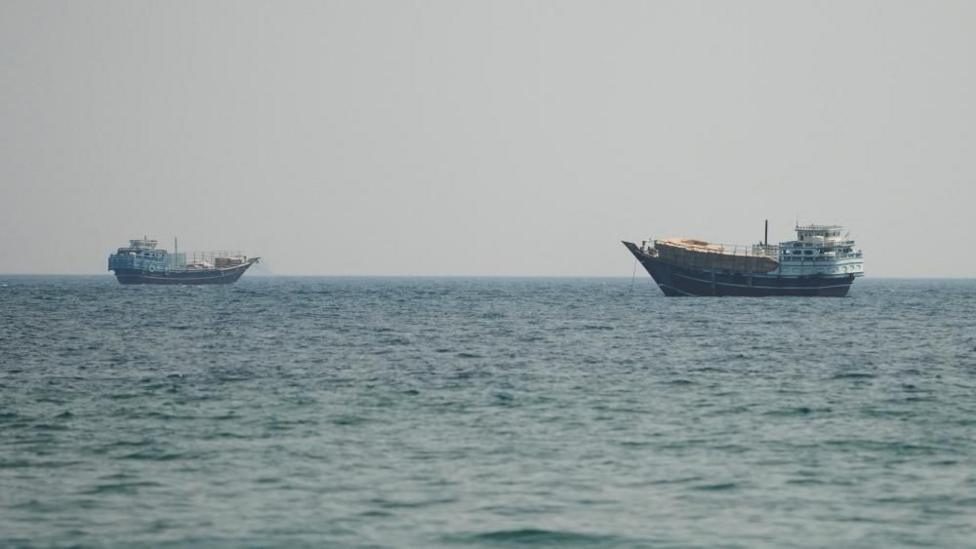
The reversal removes a direct cost threat to global supply chains, but does little to resolve the physical disruption choking a critical energy chokepoint. Shipping data shows traffic through the strait has slowed to a two-month low, pushing benchmark Brent crude oil prices sharply higher. For a European economy heavily reliant on seaborne energy, the continued military standoff poses a more immediate risk to supply and inflation than the abandoned fee.
The waterway handles roughly 25% of the world's oil and 20% of global liquefied natural gas. Iran had effectively shut down traffic following US and Israeli strikes launched on 28 February. The US has since conducted a third night of attacks designed to limit Iran's capacity to strike commercial vessels, with Iranian state media reporting blasts in multiple cities, including Bushehr.
Tehran has responded by striking US military facilities in Bahrain and Jordan, as well as targeting two tankers from the United Arab Emirates. Israel's Prime Minister Benjamin Netanyahu further escalated regional tensions on Tuesday, warning that his country's retaliation against Iran would be "much more powerful" if it is attacked first.
On Monday, Trump declared the US the "guardian" of the waterway, arguing that a reimbursement fee was justified because "it's not fair that we're protecting this Strait for the entire world." He stated he dropped the plan after receiving numerous calls from Gulf leaders. In a post on Truth Social, Trump claimed the strait "is open to ALL Ship traffic except for Iran" and that "oil is flowing like never before, thanks to the awesome Power of the United States Military."
US Central Command confirmed the naval blockade on Iranian ports began at 20:00 GMT on Tuesday, a move intended to increase pressure on Iran's economy. While European governments and businesses are spared the 20% shipping surcharge, the combination of an active blockade, ongoing retaliatory strikes and stalled tanker traffic ensures the Strait of Hormuz remains a major source of energy insecurity for the continent.