Stranded £40m Dover terminal threatens EU summer travel
A £40m border facility built to process new EU biometric checks sits unused at Dover, risking severe summer congestion at Europe’s busiest ferry port.
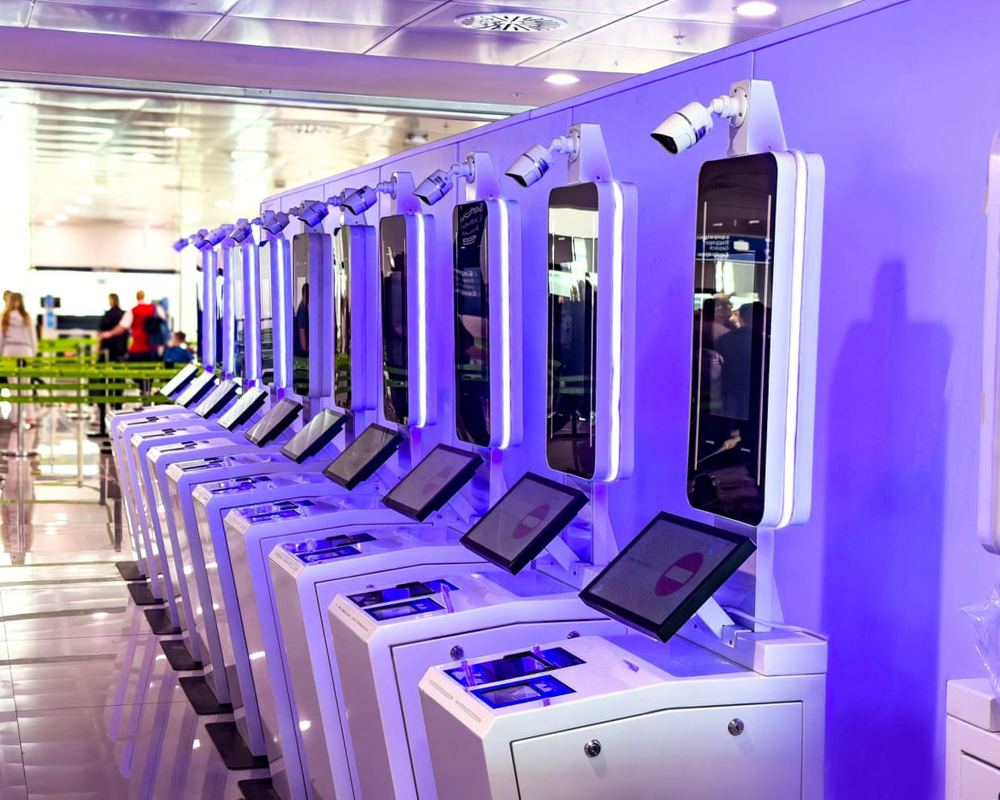
The Port of Dover has completed a £40m facility to process new EU biometric border checks, but French authorities have not activated the technology ahead of the peak summer getaway. The 84-kiosk Western Docks terminal sits idle because the EU has not set a date for switching on the Entry Exit System (EES) equipment.
Chief executive Doug Bannister called the delay "very disappointing." He noted the port was under constant pressure to deliver the facility on the EU's original timeline, specifically to handle peak volumes safely, but is now prohibited from using it.
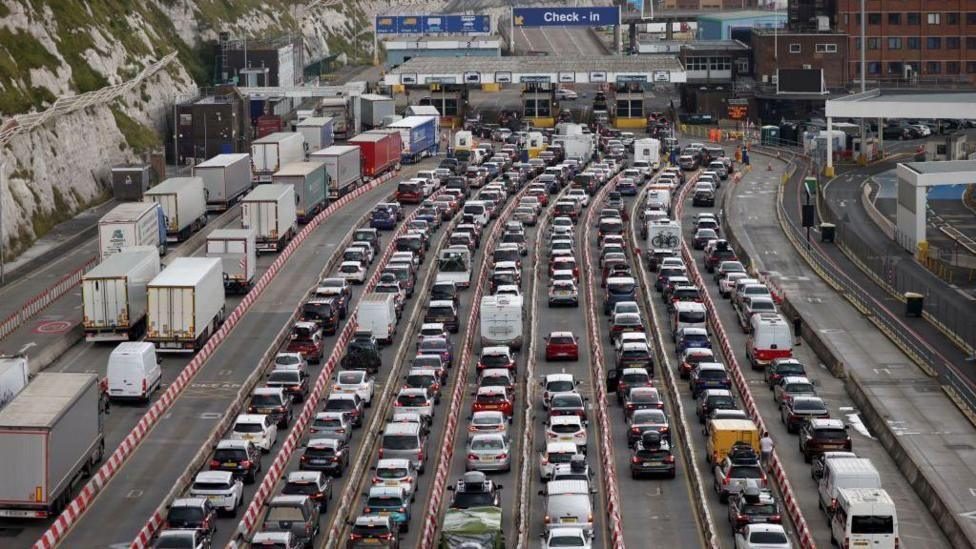
Traffic volumes are set to test the port's resilience immediately. Outbound cars will reach 7,500 on Friday, 10,000 on Saturday and 10,500 on both July 24 and 25 as schools in England and Wales break up. In May, a day with just 8,500 outbound vehicles triggered a "critical incident" after waiting times hit four-and-a-half hours.
For the European tourism industry, Dover is the critical gateway for millions of British visitors. Severe congestion here does not just frustrate travellers; it suppresses the immediate flow of cross-border spending into the EU economy. Bannister has warned British MPs that without EU flexibility, the port will "face repeated episodes of severe congestion" throughout the summer.
EES requires passengers to register their fingerprints and have a photograph taken to enter the Schengen Area. While most UK travellers complete this at foreign airports, Dover, Eurotunnel's Folkestone terminal, and London St Pancras all feature juxtaposed border controls, making them front-line processing points for the new system.
The port has done "absolutely everything" it can to prepare, Bannister said. Since May, Dover has installed new border positions in its ferry terminal, and French authorities have agreed to the port's requested resource levels. Travellers are being told to arrive no more than two hours before sailing and to use only main roads.
Politically, Transport Secretary Heidi Alexander has met French counterpart Phillippe Tabarot to push for a pragmatic approach to the checks. Bannister said she had "leaned in personally on trying to get the messages clear." Financially, London announced a £20m infrastructure package for Kent on Monday, adding to a previous £10.5m investment shared across the three English sites with juxtaposed controls.