UK proposes midnight social media curfew for older teenagers
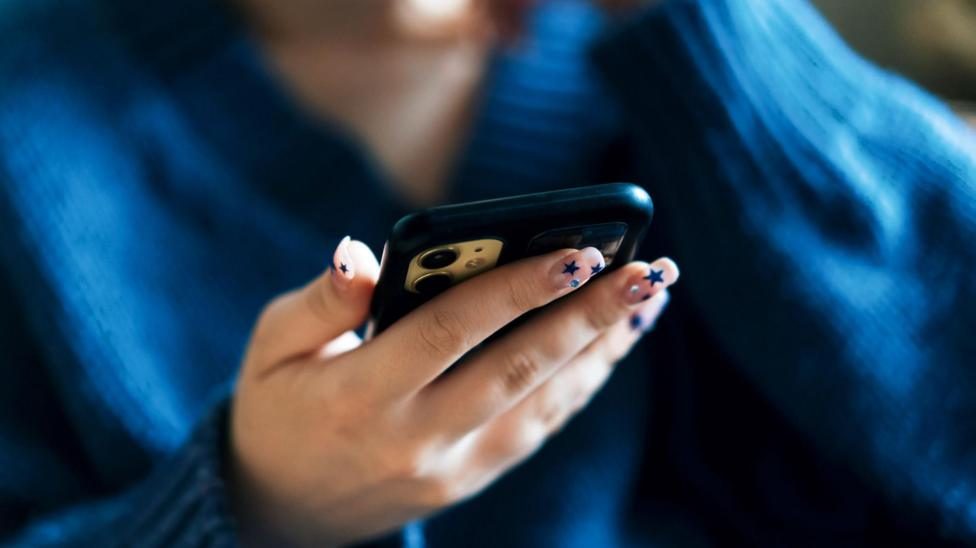
The UK is planning a default overnight social media curfew for 16- and 17-year-olds, though an easy opt-out and enforcement doubts raise questions about its viability as a regulatory model for Europe.
The UK government has announced plans to make platforms like Instagram, TikTok and YouTube unavailable by default to 16 and 17-year-olds between midnight and 06:00. Teenagers would be able to bypass the curfew simply by changing their account settings. The proposals also include disabling "addictive" features such as auto-play and infinite scroll by default for this age group.
These latest measures follow a June announcement that under-16s will be banned entirely from a range of social media platforms. The government intends to lay the new proposals before parliament by the end of 2026, with both sets of rules taking effect next spring. Additional measures will require AI chatbot providers to introduce regular breaks for users under 18.
By following Australia's lead in banning under-16s, the UK is testing some of the strictest youth online protections in the world. Australia's restrictions took effect in December but have been widely criticised as ineffective, with many teenagers bypassing them to access banned sites. The UK government said its own commissioned research found little evidence that children use virtual private networks to circumvent age checks, though similar claims preceded the implementation issues seen in Australia.
The government based its curfew policy on a trial involving 300 teenagers. Families tested total app disabling, a stricter 21:00 to 07:00 block, a one-hour daily cap, and no changes. In a report published on Tuesday, the government concluded the midnight to 06:00 curfew yielded the most sleep benefits and more communicative family evenings, while being the most manageable option for parents to enforce.
Technology Secretary Liz Kendall argued the rules are necessary. "These measures will be crucial in helping young people get the sleep they need, focus on school and college, and spend more quality time with family and friends, all of which are fundamental to building a happy, healthy and fulfilling adult life," she said.
However, the opt-out mechanism has drawn immediate criticism. Laura Trott, the Conservative shadow education secretary, described the plans as a "dog's dinner". "Either they think 16 and 17-year-olds should be on social media or they don't, but curfews they can simply switch off won't achieve anything," she said.
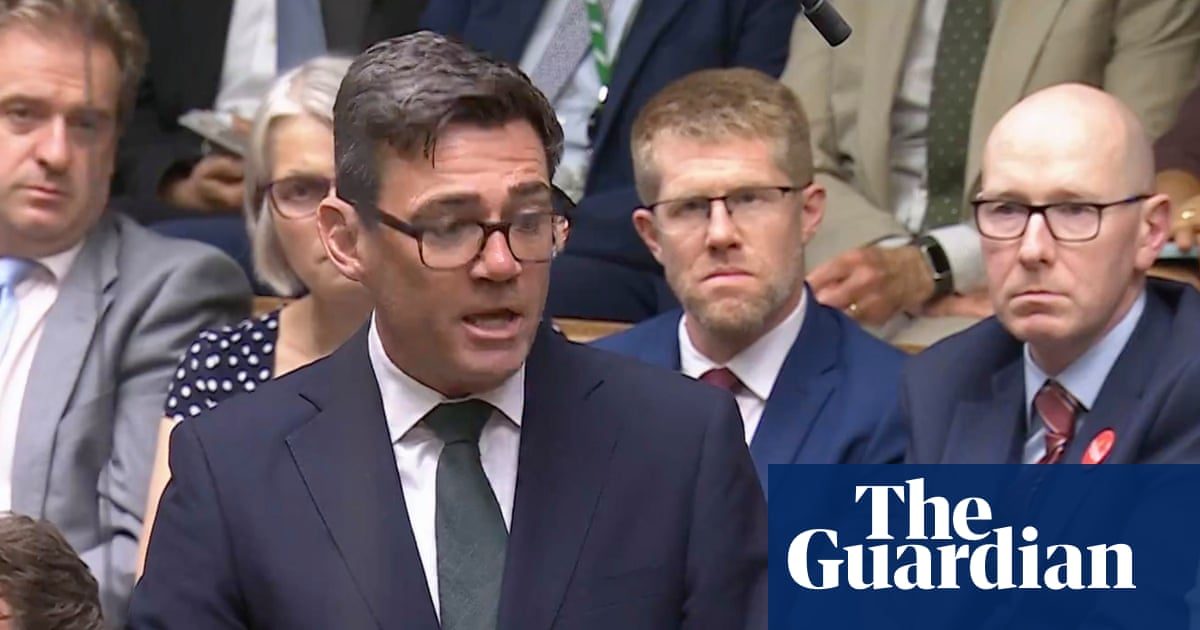
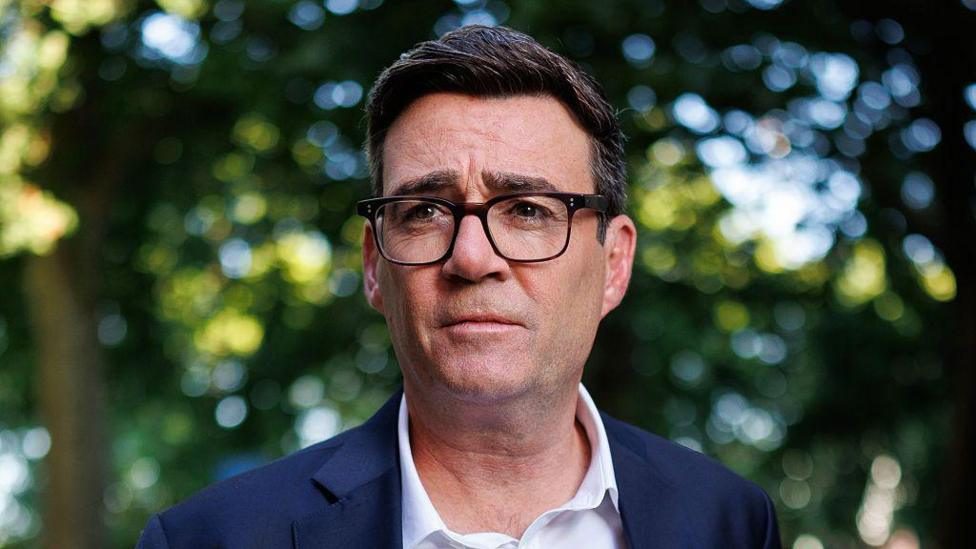
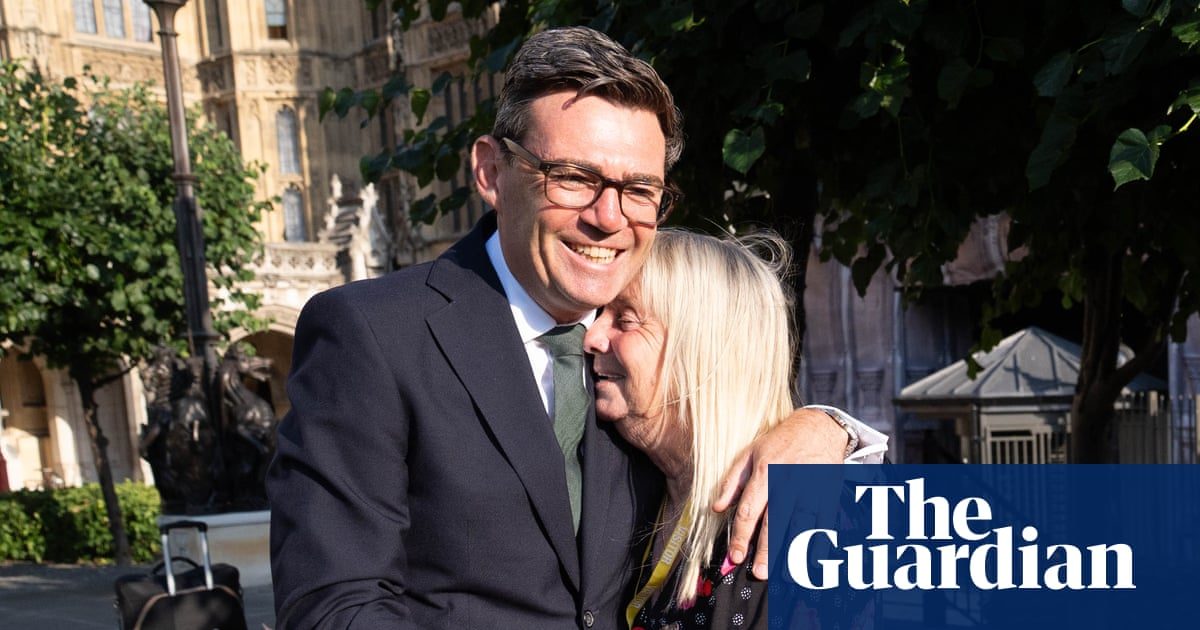
Child safety experts also questioned the design. Andy Burrows, chief executive of the Molly Rose Foundation, said Prime Minister Sir Keir Starmer "leaves office having announced a social media ban without a plan" and that likely successor Andy Burnham will "inherit a series of missed opportunities". "While we welcome these measures for older teens, this latest move is yet another piecemeal set of announcements not the comprehensive plan for children's safety that's required," Burrows added.
Professor Sonia Livingstone of the London School of Economics warned a blanket curfew could backfire. "If it's a curfew that prevents a child in need of support or help or comfort reaching out to trusted sources in the middle of the night, I think that's quite harmful potentially," she said.
Pete Etchells, professor of science communication at Bath Spa University, cautioned against over-reliance on the government's trial data. "This is a small study that is one part of the puzzle in trying to understand how children and parents will navigate technology restrictions in a practical way," he said.