Bali tourism expansion drains aquifers and triggers severe water crisis
The rapid expansion of hospitality infrastructure in Bali is consuming over 65 per cent of the island’s fresh water, exposing regulatory failures and threatening the long-term viability of its agricultural economy.
Bali is facing a severe water crisis as its booming tourism sector consumes more than 65 per cent of the island’s fresh water. Groundwater extraction has pushed local aquifers beyond sustainable levels, leading to seawater intrusion in at least six of the island’s nine districts.
The island recorded over 16 million tourists in 2024, four times its permanent population. This influx has fundamentally altered local hydrology, with resorts using between 2,000 and 4,000 litres of water per guest daily, compared to the 30 to 50 litres available to the average resident.
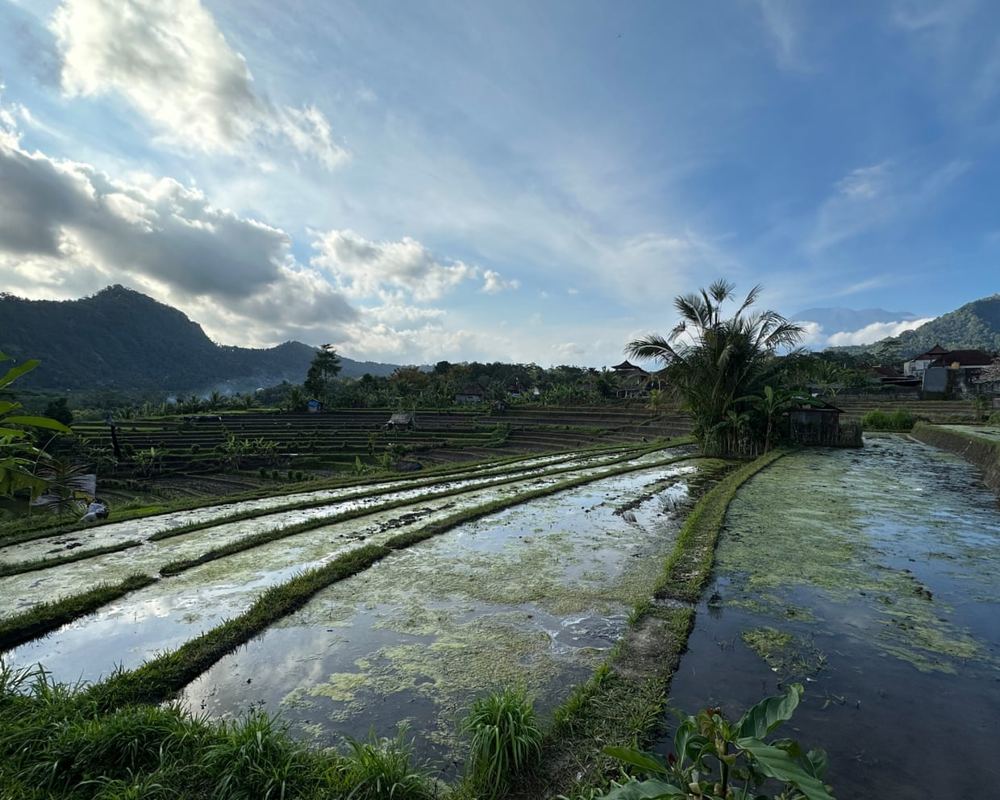
This shift is actively destroying critical water infrastructure. Bali has lost more than 6,500 hectares of rice fields in the past five years, a decline of over 9 per cent. These paddies traditionally slow runoff and recharge aquifers, but sealing them under concrete permanently eliminates this function.
For investors and hospitality operators, this represents a mounting physical and regulatory risk. The IDEP Foundation estimates there are roughly 10,000 water businesses on the island, with about half operating illegally or without proper permits.
The Bali provincial government states that commercial groundwater extraction requires a permit and that household wells cannot be repurposed for industrial use. However, the province has not provided figures on licensed operators, noting that enforcement has fallen under central government authority for the past five years.
The burden falls heavily on local households. In areas like Uluwatu, public water networks may only function for an hour a day. Residents are forced to rely on private water trucks, where a single 5,000-litre delivery costs around 350,000 rupiah, eroding up to a tenth of a household’s income.
Regulatory blind spots
Local lawmakers are pushing back against unchecked development. Niluh Djelantik, a senator for Bali in Indonesia’s regional representative council, is calling for a moratorium on new hotel construction. She argues that the revenue of Bali tourism comes from the sweat of the people, who do not need another stress.
Djelantik points to a national online permitting system that replaced traditional community consultation. This remote application process allows developers to bypass local neighbours, accelerating construction in areas like Canggu, where farmland has declined by 60 per cent while land under development has increased by 69 per cent.
Despite immense financial pressure, some locals are resisting. Water priest Rudi Pak has rejected offers to sell his land near a waterfall for 1bn rupiah per 100 square metres. He insists on preserving the green landscape for the next generation, highlighting the cultural stakes of the island’s resource depletion.