EU and Ukraine launch joint drone production to scale European defence
The European Union has signed a bloc-wide deal with Ukraine to jointly manufacture drones on European soil, directing up to €10 billion in defence funding to modernise the continent's industrial base.
The European Union and Ukraine signed an agreement in Kyiv on Wednesday to jointly produce drones. The deal replaces a patchwork of national agreements with a unified 27-member state industrial partnership.
The initiative will be financed through the €90 billion EU support loan for Ukraine and approximately €10 billion remaining in the bloc's SAFE defence programme. For European defence contractors, this represents a major injection of capital into a sector that has struggled to scale production to match the continent's security needs.
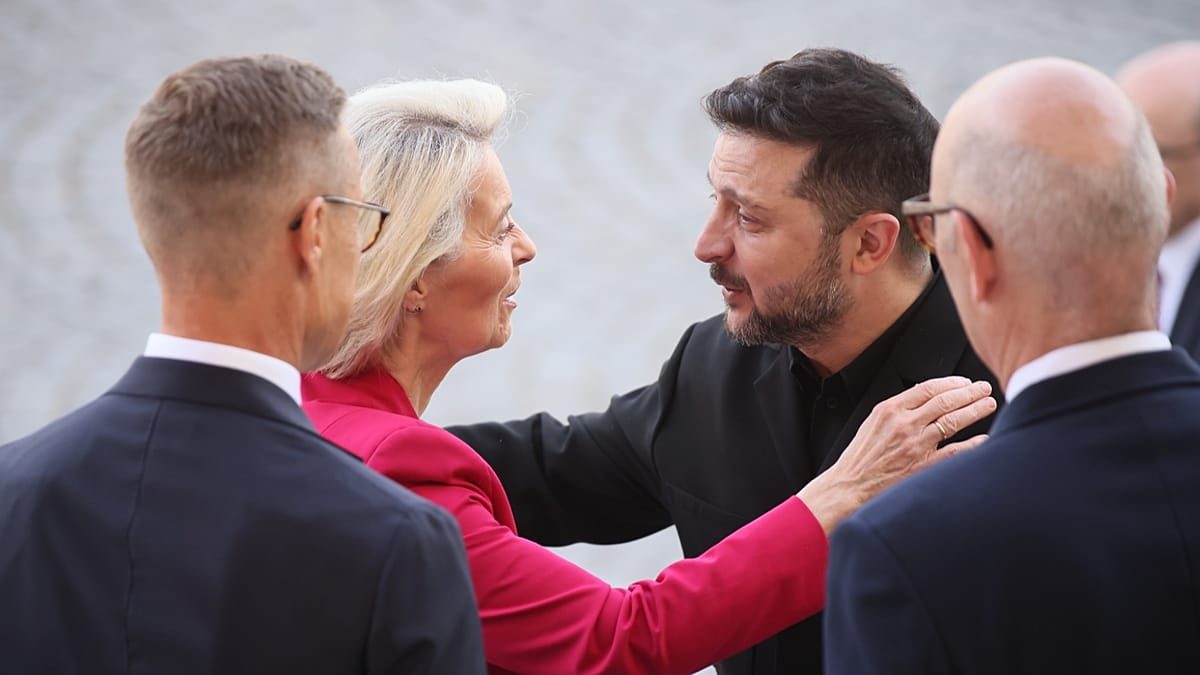
The agreement is designed to marry Europe's manufacturing capacity with Ukrainian military experience. "In Europe, we already have huge technological and industrial capacity that can be deployed. And we have safe and secure production sites that can help to scale up," European Commission President Ursula von der Leyen said. "But we do not have that battle-tested knowledge and expertise that Ukraine has forged."
Ukrainian drones have demonstrated their strategic worth by neutralising Russia's manpower advantage and striking oil refineries, which triggered a fuel crisis. "We are making 10 million drones a year, 10 million. And it will be 20 million," Ukrainian President Volodymyr Zelenskyy stated during the Statehood Day ceremony. "For the first time, Ukraine has fundamentally changed the battlefield."
A key feature of the agreement allows for the construction and warehousing of these unmanned systems within EU borders. This provides a physical haven from Russian attacks and decentralises the production chain across the bloc's economy.
However, this European storage will be temporary. Because drone technology evolves rapidly, the hardware will sit in EU facilities for only two to three months before being transferred to Ukraine or to member states, particularly those on the Eastern flank.
Looking ahead, the Commission plans to expand this cooperative manufacturing model to ballistic and anti-ballistic missile systems, though that phase remains distant. "Now is the time to invest in Ukraine, to invest in Europe," von der Leyen said, "and to invest in our common security and common future." How Moscow will react to the expanded industrial cooperation remains an open question given recent provocations against EU countries.