Senra raises $65M to digitise Cold War-era wire harnesses
A US startup has secured $65 million to drag the antiquated manual production of vehicle wiring into the digital age, targeting a critical industrial bottleneck for aerospace and defence manufacturers.
Senra, a US manufacturing startup, has closed a $65 million Series B funding round to modernise the production of wire harnesses, the complex internal cabling required for aircraft, spacecraft, and defence vehicles. The round was co-led by Lowercarbon and Interlagos, with backing from General Catalyst, Sequoia Capital, Andreessen Horowitz, and Founders Fund.
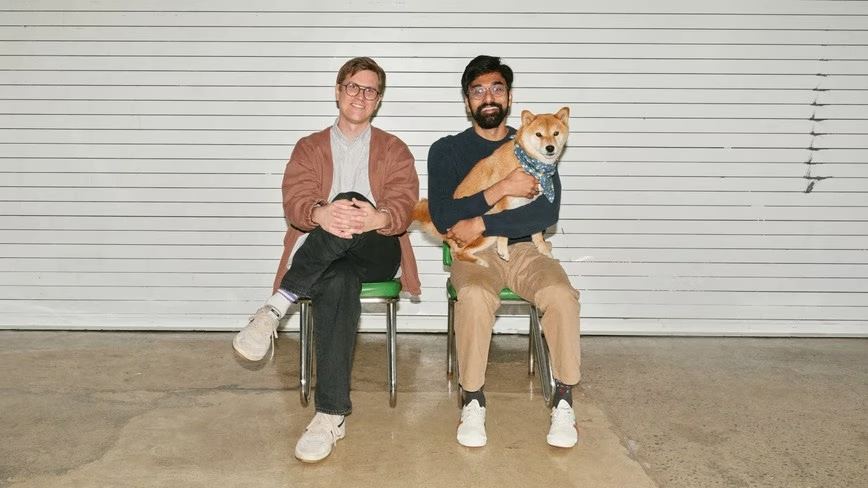
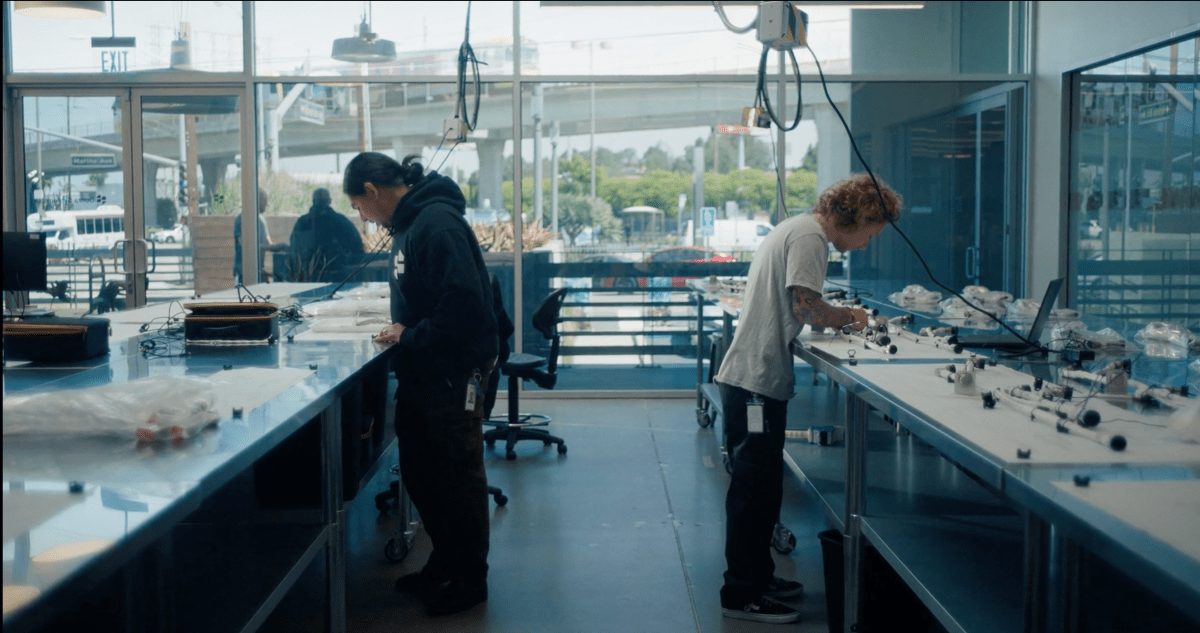
As manufacturers rush to build smarter, electric, and autonomous vehicles, wire harnesses have become a major industrial bottleneck. The components remain bespoke products, largely assembled by hand using methods untouched by modern technology. “I traveled all over the world to go visit wire harness companies,” said Senra CEO Jordan Black, a former SpaceX engineer. “It really hasn’t changed since the Cold War era of wooden tables [and] manual processes.”
The financial and safety risks of this outdated approach were laid bare in 2023 when Boeing discovered its Starliner spacecraft’s wiring was secured with flammable tape, forcing a costly system-wide rebuild. Such supply chain vulnerabilities present acute risks for the aerospace, defence, and automotive sectors on both sides of the Atlantic.
Rather than attempting to replace human workers with robots, Senra is using a proprietary software platform called Amp to standardise the manual assembly process. The system creates a digital twin to guide technicians and tracks material inputs and engineering changes in real time. “Having it all in the same software is probably the most important thing, because it’s all the little inputs that happen that can make a catastrophic change down the road,” Black said.
The company currently produces 1,000 harnesses monthly across two factories and aims to reach 10,000 per month by 2027. Black indicated that the push toward full automation will follow the methodology he learned at SpaceX. “It goes back to the Elon principle of, ‘automation is last,’” he said. “We’re working on it now, but a lot of it the standardization and the foundation building that made SpaceX be able to scale something like rockets, which you could only build one a year if you were lucky, and now they do hundreds a year.”
Senra’s swift capitalisation reflects a broader surge of capital into US manufacturing and the defence industrial base. While Black did not name clients, he noted the company supplies builders of submarines, satellites, land defence systems, and launch vehicles, underscoring the strategic importance of securing these foundational supply chains.