Abu Dhabi deploys AI government, wins US chip access
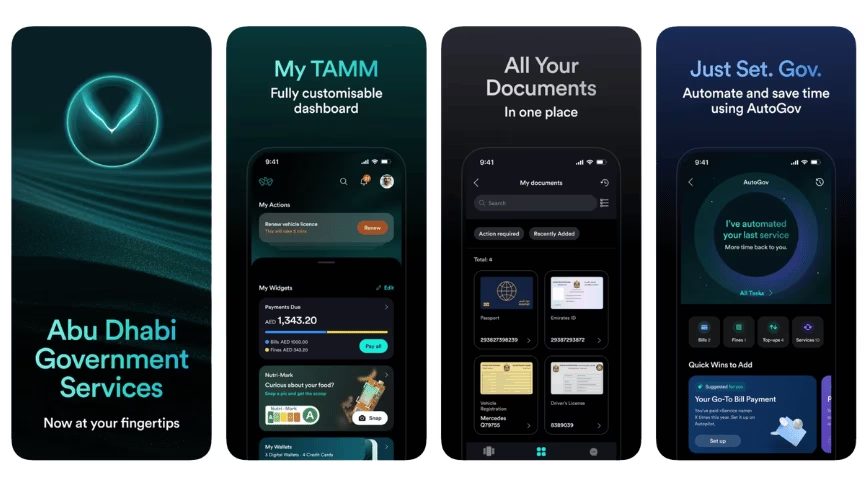
Abu Dhabi has built an AI-native government that automates public services and secured expanded US chip access, highlighting a deployment gap for European democracies still mired in regulatory debates.
Abu Dhabi has deployed an AI system that automates public services for its citizens without requiring a request. Through a near-universally adopted app called TAMM, the emirate’s government automatically renews national IDs, books medical appointments, and pays parking fines before residents even realize they are due.
The platform, overseen by TAMM director general Mohamed Al Askar, treats citizens as customers. Residents can report a broken streetlight by snapping a photo, and the system routes the issue to the correct department. That department is blocked from closing the ticket until the resident confirms the repair.
This deployment is the result of a decade-long state investment. The UAE appointed the world’s first AI minister in 2017 and opened MBZUAI in 2019, the first graduate university entirely devoted to the technology. The goal is to build a sovereign AI capacity that anchors a post-oil economy.
The financial incentives are significant. PwC estimates that artificial intelligence could add roughly €295 billion to the Middle Eastern economy by 2030. Abu Dhabi’s national strategy explicitly aims to make the country a global magnet for AI talent by 2031, funded by sovereign wealth at a scale few states can rival.
That economic push is yielding geopolitical dividends. The Trump administration is reportedly widening Abu Dhabi’s access to advanced AI chips, rewarding the emirate for its cooperation amid tensions with Iran. The decision caps a prolonged UAE campaign to secure American technology.
For European governments, Abu Dhabi presents a test case that highlights the continent's current constraints. While the EU is preoccupied with drafting and enforcing AI regulations, Abu Dhabi is actively running its government on the technology. However, European democracies cannot simply copy the model.
Abu Dhabi’s speed relies on an all-powerful royal family that controls both the state and the economy, allowing it to force wholesale digital transformation. Furthermore, the convenience of a system that acts on a citizen's behalf is inextricable from surveillance. The same infrastructure that eliminates paperwork also gives the state granular visibility into every resident's daily life.