Europe faces cooling poverty crisis as heat inequality widens
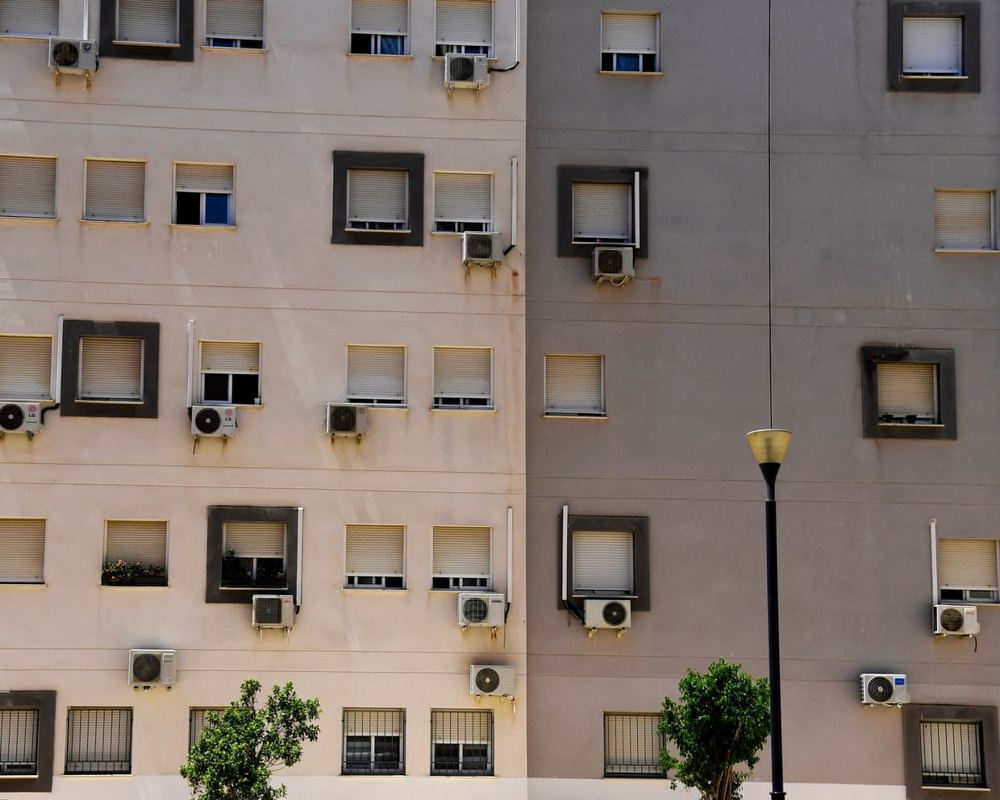
A June heat dome that killed over 1,300 Europeans highlights a growing affordability crisis in cooling that risks ceding economic influence in the developing world to geopolitical rivals.
Europe’s June heat dome killed more than 1,300 people in less than two weeks, underscoring a lethal gap in access to affordable cooling. Across the continent, millions of households already struggle to pay rising electricity bills, forcing families to choose between keeping their homes safe and financial ruin. Extreme heat is now the deadliest form of weather, killing roughly 2,000 people annually in the United States and taking a similarly severe toll in Europe.
This dynamic is creating a new class of energy poverty within wealthy nations. In the US, the primary federal program helping families pay energy bills only has the funding to reach one in six eligible households. Europe possesses the economic capacity to address similar shortfalls, but doing so remains a question of political priorities rather than financial feasibility. For utility companies and grid operators, this means sustained upward pressure on peak summer demand coupled with an inability of the poorest consumers to pay.
The crisis is fundamentally different in the global south, where hundreds of thousands die from heat each year according to The Lancet. The burden is growing fastest in south Asia and Africa, regions where the United Nations warns extreme heat is slowing economic development. Simply shipping air conditioners to these nations is not viable; fragile electric grids cannot handle the surge in demand.
Instead, developing nations need investments in cheaper, stable clean energy to build resilient infrastructure. During a recent visit to India, government officials acknowledged they knew exactly what was needed, expanding electricity systems, improving housing and increasing efficient cooling, but lacked the resources. Low-income countries cannot finance this climate adaptation alone.
For Europe and the US, funding this infrastructure is a strategic economic investment. "If the United States and Europe fail to become meaningful partners in financing climate adaptation, other countries will fill that vacuum, expanding both their economic influence and their geopolitical ties across much of the developing world." Development banks, climate funds, private investors and wealthy nations must partner to finance this transition.
Climate policy can no longer be measured solely by carbon reduction. It must also be judged by whether wealthy nations help billions adapt to a hotter planet. The next great global divide will be between those that had the resources to adapt and those that did not.