Vienna customs seize 12.5 tonnes of food and plants from travellers
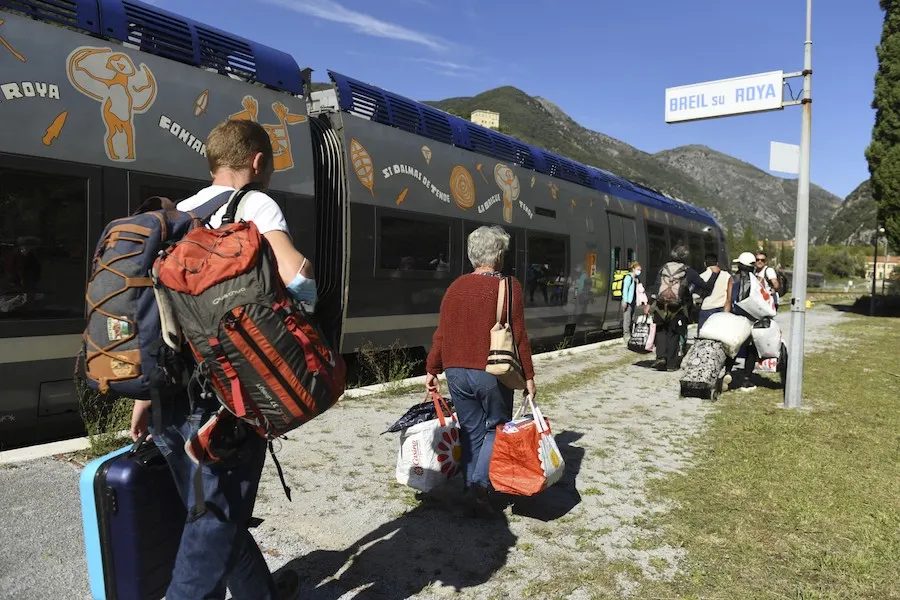
Austrian customs authorities are strictly enforcing EU biosecurity rules, destroying over 12 tonnes of undeclared food and plant products at Vienna Airport in the first half of 2026 and warning travellers that even small personal items face confiscation.
Austrian customs officers confiscated more than 12.5 tonnes of food and plant products from travellers at Vienna Airport in the first half of 2026. The haul included around three tonnes of fruit, vegetables and living plants, alongside 839 separate seizures of meat, fish, dairy and honey weighing nearly 9.5 tonnes. Mangoes, citrus fruits, aubergines and apples were the most frequently seized plant items, predominantly arriving from Turkey, Egypt, Thailand and Vietnam.
The strict enforcement reflects EU biosecurity rules designed to prevent plant pests and animal diseases from entering the bloc. Austria’s Federal Office for Food Safety notes there is no general exception for small quantities carried in personal luggage. A single mango or a small bag of herbs requires a phytosanitary certificate issued by the country of origin, though bananas, pineapples, coconuts, dates and durians are exempt. Products arriving from Switzerland, Liechtenstein and Northern Ireland do not require this certificate.
Animal-origin foods face even tighter restrictions. Meat, honey, milk and eggs may not be brought into Austria from outside the European Economic Area, regardless of quantity. Authorities stressed that commercial packaging does not bypass these veterinary rules, meaning vacuum-sealed meat or jarred dairy products remain subject to confiscation.
The geographic scope of these rules often catches travellers off guard. Since Brexit, England, Scotland and Wales are treated as third countries for these purposes. The same applies to the Canary Islands, Ceuta, Melilla and certain French overseas territories. Travellers attempting to bring in living plants, seeds or cut flowers must register them through the EU’s TRACES NT system at least one working day before arrival. These inspections are only available at Vienna, Graz and Linz airports, requiring passengers to use the red customs channel.
Holiday souvenirs present another compliance trap. Items made from protected species—such as reptile leather, coral or shells—require both an export permit from the holiday country and an Austrian import permit under the CITES convention. Authorities note this process takes weeks and cannot be arranged at the airport. In 2025, Austrian customs notably intercepted seven living monitor lizards and 150 dead seahorses.
Passengers caught with prohibited items face immediate confiscation and destruction of the goods, often at their own expense. They may also be liable for storage and disposal fees, administrative fines or criminal penalties. Furthermore, even permitted goods exceeding the €430 air travel allowance per person are subject to import taxes, and these individual allowances cannot be combined between travellers.