Russia planning Baltic energy and transport attacks, leaders warn
Intelligence reports indicate Moscow is preparing to strike critical energy and transport links in the Baltics and Poland, a direct threat to regional economic stability and NATO's security framework.
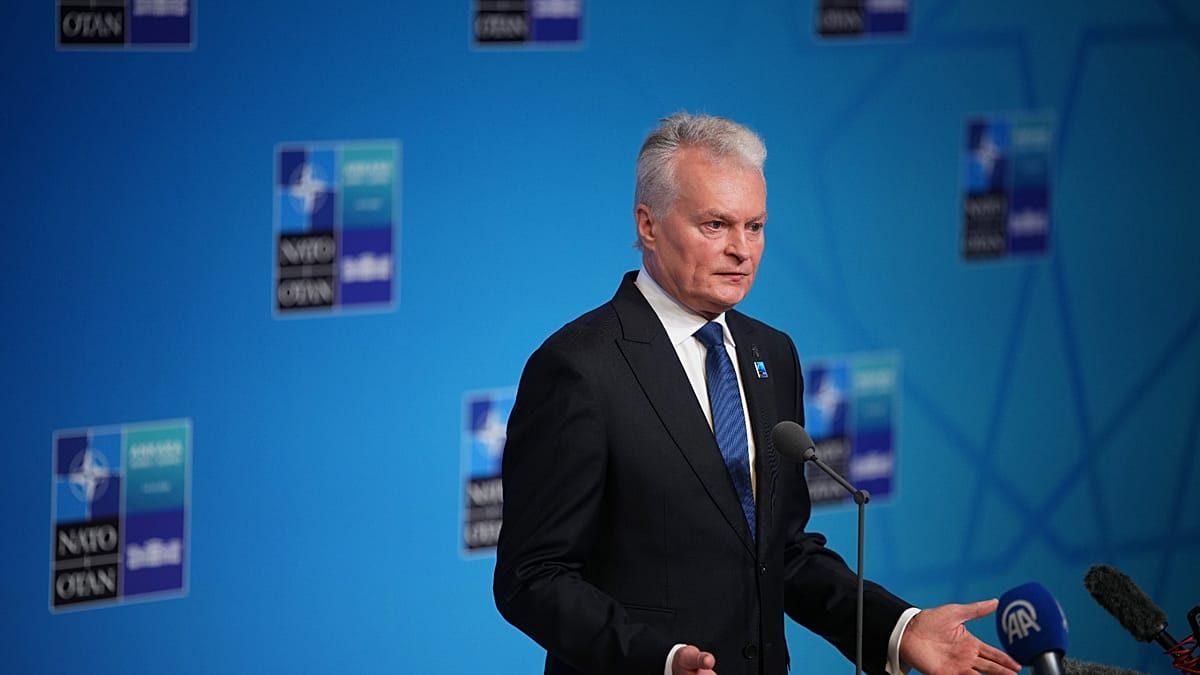
Lithuanian and Latvian presidents warned on Wednesday that Russia is planning attacks on critical infrastructure in the Baltic states or Poland, citing intelligence reports.
The targets include energy and transport facilities where damage could disrupt the functioning of the entire energy system, Lithuanian President Gitanas Nauseda said. He noted this planning is "taking place at the highest level, effectively in Moscow."
For European markets and supply chains, these warnings elevate a tangible economic risk. The Baltic states and Poland form a crucial transit corridor for EU trade and energy distribution. A successful strike on regional power grids or rail networks would inflict immediate logistical and financial damage across the continent.
Latvian President Edgars Rinkevics framed the threat as a deliberate test of Western unity. He warned that Russia may seek to indirectly test NATO's Article 5 mutual defence pact and EU response mechanisms, even absent a total Ukrainian victory, amid a war that has dragged on for more than four years.
Such hybrid tactics are not entirely new for the region. Baltic and Polish officials have spent recent months linking Moscow to a campaign of arson, cyberattacks, and railway diversions designed to destabilise public life without triggering a conventional military response.
The warnings add to a chorus of high-level alarm in Eastern Europe. In late June, Polish Prime Minister Donald Tusk told reporters that "various types of escalation can be expected in the coming weeks and months," describing the current environment as "very unstable."
Governments are already diverting public funds to mitigate the threat. Lithuania, which borders Russia and its ally Belarus, has strengthened protection around its transport and energy networks. The country currently allocates 5.33% of its GDP to defence, the highest relative security spending in NATO.
Moscow has rejected the assertions. Kremlin spokesman Dmitry Peskov dismissed the intelligence reports as "just another fresh batch of scare stories designed to keep the brainwashing going and prepare the population for further militarisation."