The 1938 Evian Conference that failed half a million Jews
In 1938, 32 nations met in France to discuss Jewish refugees but offered only excuses, a diplomatic failure that signalled to Nazi Germany that the democratic world would not intervene.
In July 1938, delegates from 32 countries gathered in Evian, France, to address the plight of roughly half a million Jews seeking to escape Nazi Germany and Austria. The initiative, launched by US President Franklin D. Roosevelt, aimed to create a legal, controlled flow of emigration without altering existing national immigration quotas or spending government funds.
Over ten days, lower-ranking diplomats expressed deep sympathy but offered no meaningful solutions. Western European democracies cited economic crises and unemployment to reject educated professionals. France claimed it was already "saturated" with refugees, while the Netherlands and Switzerland restricted themselves to transit visas.
Canada stated it would only accept wealthy, experienced farmers. The Australian delegate, Thomas White, said his country was "not prepared to import" a race problem. Only a few Latin American nations, including Mexico, Colombia, and the Dominican Republic, made concrete offers to take in several hundred people annually.
Before the conference even began, Washington and London had struck a mutual agreement to avoid difficult topics. The US promised not to raise the British Mandate of Palestine as a destination, and the UK agreed not to highlight America's unused immigration quotas.
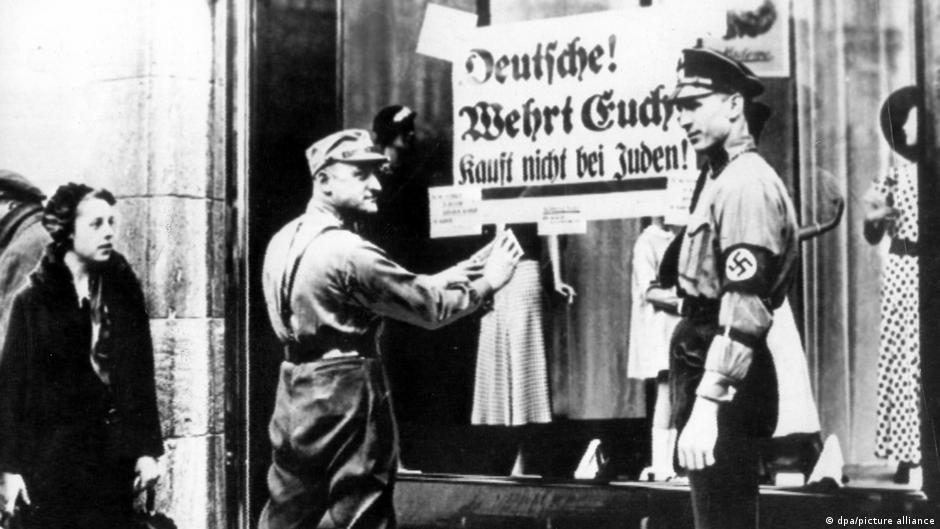
At the time, Berlin actively encouraged Jewish emigration but confiscated nearly all property, real estate, and savings before allowing departures. This policy was designed to profit the regime and ensure refugees arrived destitute, thereby increasing the burden on receiving nations to fuel further resentment.
The conference concluded by establishing the Intergovernmental Refugee Committee, a completely powerless body. Historian Jochen Thies later argued that if Britain had offered to take 120,000 to 150,000 people, it could have given Roosevelt the pretext to accept 200,000 and persuade South American nations to follow suit.
Instead, the Evian fiasco signalled to the Nazi regime that the democratic world would not lift a finger to protect Jews. Just four months later, the regime orchestrated the November Pogroms. A year later, the Third Reich invaded Poland, triggering the Second World War.
Golda Meir, an observer at Evian who later became Prime Minister of Israel, wrote in 1975 that listening to delegates explain why they could not help was "a terrible experience." With nations refusing to act, survival often depended on individuals like Ho Feng Shan, China's Consul-General in Vienna, who issued thousands of visas for Shanghai.