Spain inflation holds at 3.2% as subsidy withdrawal tests price stability

Spain's inflation remained stuck at 3.2% in June as the withdrawal of energy subsidies offset cheaper fuel, signalling underlying price pressures that complicate the European Central Bank's path to its target.
Spain’s consumer price index remained at 3.2% year on year in June, the National Statistics Institute confirmed on Wednesday, keeping inflation well above the European Central Bank’s 2% target. The headline figure was propped up by a 6% annual jump in electricity prices, which followed the government's decision to scrap a reduced VAT rate. Cheaper motor fuels partially offset this surge, leaving the overall rate unchanged from May.
Core inflation, which strips out volatile energy and unprocessed food costs, offered a modest encouraging sign by dipping to 2.9%. However, the underlying composition of the data reveals stubborn domestic price pressures. Accommodation prices surged by 9.3%, while housing costs accelerated sharply to 4.7%, up from 1.4% in May.
For the ECB and investors, the data underscores the challenge of returning Spain's economy to price stability without the crutch of emergency state interventions. Madrid is gradually withdrawing the tax breaks and subsidies introduced to shield households from the initial shock of the war in Iran. The fact that headline inflation did not spike higher during this transition suggests some baseline resilience, but the persistence of 3.2% indicates the ECB's work is far from over.
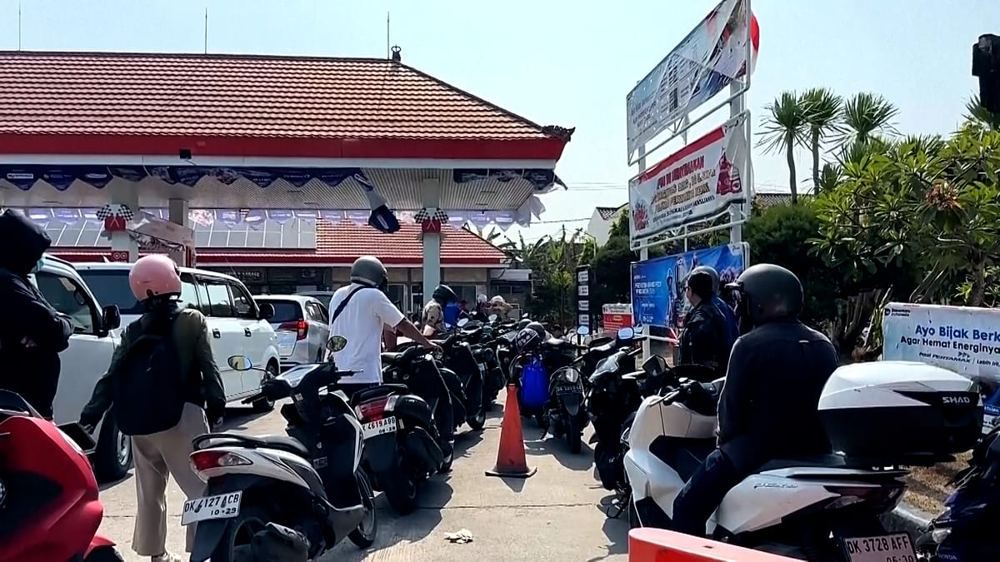
The shift in electricity prices highlights the interaction of policy and weather. After falling annually in April and May, power costs rebounded as the VAT reduction expired during the second warmest June on record, driving up household use of air conditioning. Meanwhile, fuel prices felt the brief, now-collapsed ceasefire between the United States and Iran. Petrol rose 1.3% and diesel 14.1%, though the gradual withdrawal of fuel subsidies continued.
Food and non-alcoholic drinks provided some relief, with price growth slowing to 1.9% from 2.2% in May. Inflation varied significantly across the country, reflecting uneven local economic conditions. Madrid recorded the highest provincial rate at 3.8%, whereas Cáceres and Jaén registered the lowest at 2.2%.
Government officials framed the figures as a vindication of their economic strategy. Finance Minister Arcadi España said on X: "June's CPI data confirm the effectiveness of the measures taken by the Spanish government. In an international context marked by uncertainty, inflation remains stable and food prices have slowed their growth to 1.9%. These figures reflect the impact of support policies for families and businesses, together with the push for renewable energy, which is strengthening the resilience of our economy." Economy Minister Carlos Cuerpo added that the data "confirm that the government's response plan is still meeting its goal: cushioning the impact of the war in Iran on inflation and protecting households' purchasing power." The Economy Ministry argues that its investment in renewables is "precisely what makes it possible to start phasing out emergency measures from a position of strength."