China's CXMT prices record $8.5bn IPO ahead of US trade blacklist
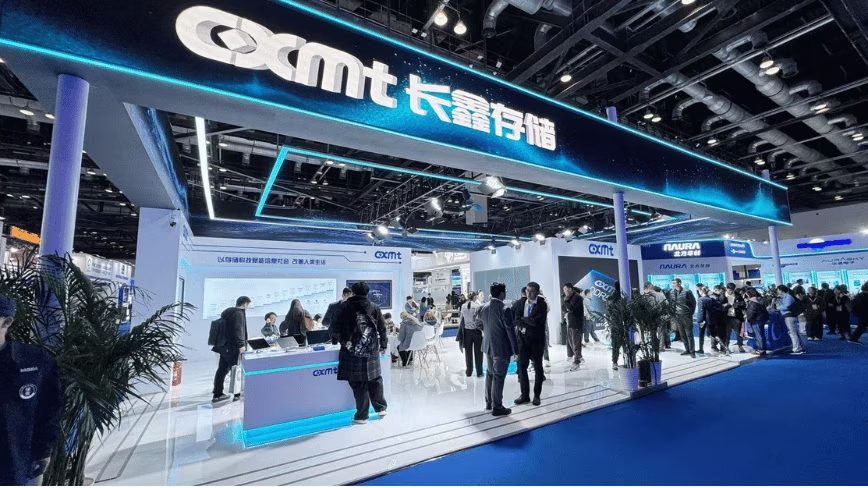
ChangXin Memory Technologies has priced a record $8.5bn Shanghai listing to build a war chest before expected US trade curbs, escalating Beijing's challenge to the global DRAM oligopoly.
ChangXin Memory Technologies (CXMT) has priced its initial public offering on Shanghai’s Star Market at 8.66 yuan per share, raising $8.5bn. The sale surpasses the 53.23 billion yuan raised by SMIC in 2020 to become the largest semiconductor listing on a mainland Chinese exchange. Subscriptions for the shares open on Thursday.
The Hefei-based firm is selling a 10% stake, valuing the business at roughly $85bn. Including a 15% overallotment option, the total raise could reach $9.8bn. That figure nearly doubles the 29.5 billion yuan CXMT earmarked for investment projects in its prospectus.
The listing is explicitly timed to precede expected US sanctions. The Pentagon added CXMT to its list of Chinese military companies last month. A US interagency committee has also reportedly cleared the chipmaker for the Commerce Department’s Entity List, a trade blacklist that has not yet taken effect.
A spot on the Entity List would further restrict CXMT’s access to advanced foreign manufacturing equipment. European industry will be watching closely, as Dutch firm ASML is a critical supplier of the lithography machines needed to produce advanced memory chips. The oversized IPO provides a vital financial cushion before Washington potentially tightens the screws on these supply chains.
The capital injection amplifies a growing threat to the established global DRAM market. Founded in 2016 with state backing, CXMT has rapidly captured an estimated 7.7% market share. That puts it in direct competition with the Asian and Western incumbents: Samsung, SK Hynix, and Micron.
CXMT is currently riding a wave of AI-driven demand that has pushed DRAM prices sharply higher. First-quarter revenue surged more than 700% year on year to 50.8 billion yuan, pushing the state-backed firm into a large profit. Its customers include China’s largest tech conglomerates: Alibaba, Tencent, and ByteDance.
For Beijing, the listing is a clear milestone in its long-running drive for technological self-reliance. For the global semiconductor industry, it signals that China’s national champions are locking in capital at the peak of a memory cycle to insulate themselves from Western export controls.