Burnham's UK chancellor choice to signal economic intent to markets
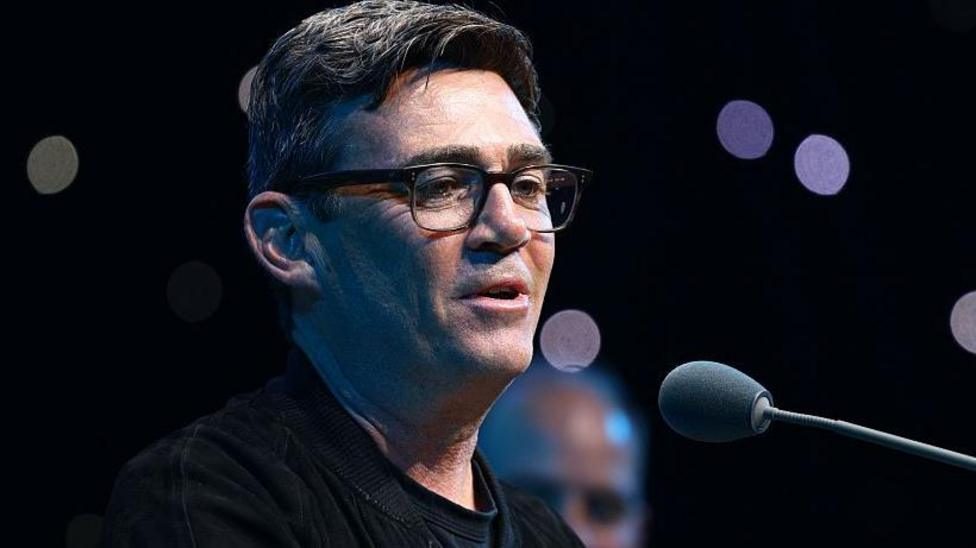
Andy Burnham must choose a UK chancellor by Monday, a decision that will signal Britain's economic direction to wary bond markets and define his premiership.
Andy Burnham will move into 10 Downing Street on Monday after securing the Labour leadership, but his most consequential decision remains unresolved. The appointment of the next chancellor of the exchequer is the subject of intense private debate. Who takes the role at Number 11 will send an immediate signal to politicians and the bond markets about the new government's economic instincts.
For investors, the appointment is a primary test of fiscal credibility. Lord Walker, an unpaid cost-of-living adviser to the previous government and the boss of Iceland, has warned that the bond markets would "freak out" if an "ideological" chancellor were installed. This external pressure is colliding with internal Labour dynamics, as trade unions representing oil and gas workers actively oppose the initial frontrunner, Energy Secretary Ed Miliband.
Miliband was once the widespread assumption for the Treasury. He has an economics background, advised under Gordon Brown, and recently chaired the Council of Economic Advisers. Allies argue his ministerial experience means "he can make the Treasury do what it doesn't want to do," pushing through Burnham's agenda to spread growth "to every postcode." To counter market fears, his supporters stress his adherence to fiscal rules on debt and borrowing, with one noting bluntly: "He isn't Che Guevara."
However, MPs close to Burnham now believe Miliband's chances have lessened significantly. "Live discussions" are reportedly underway about appointing Home Secretary Shabana Mahmood. While she lacks an economics background, placing a senior figure from the party's right at the Treasury could reassure investors and ensure a smooth transition. Foreign Secretary Yvette Cooper is also considered a potential candidate.
The personnel debate may actually mask a deeper structural shift in how Britain manages its economy. Burnham has received extensive advice from Jim O'Neill, the former Goldman Sachs chief economist, and Andy Haldane, the former Bank of England chief economist. Louise Haigh, a key Burnham ally, has advocated for a "beefed-up No 10" that drives growth directly from the prime minister's office, with a future outpost in Manchester.
If Burnham views the Treasury as a brake on regional growth rather than an accelerator, he may bypass its traditional power. In that scenario, bringing heavyweights like O'Neill and Haldane into Number 10 could reduce the need for a dominant, agenda-setting figure in Number 11. The final decision, expected by Monday, will reveal whether Burnham intends to conquer the Treasury or simply neutralise it.