Germany warns US against election interference over grants scheme
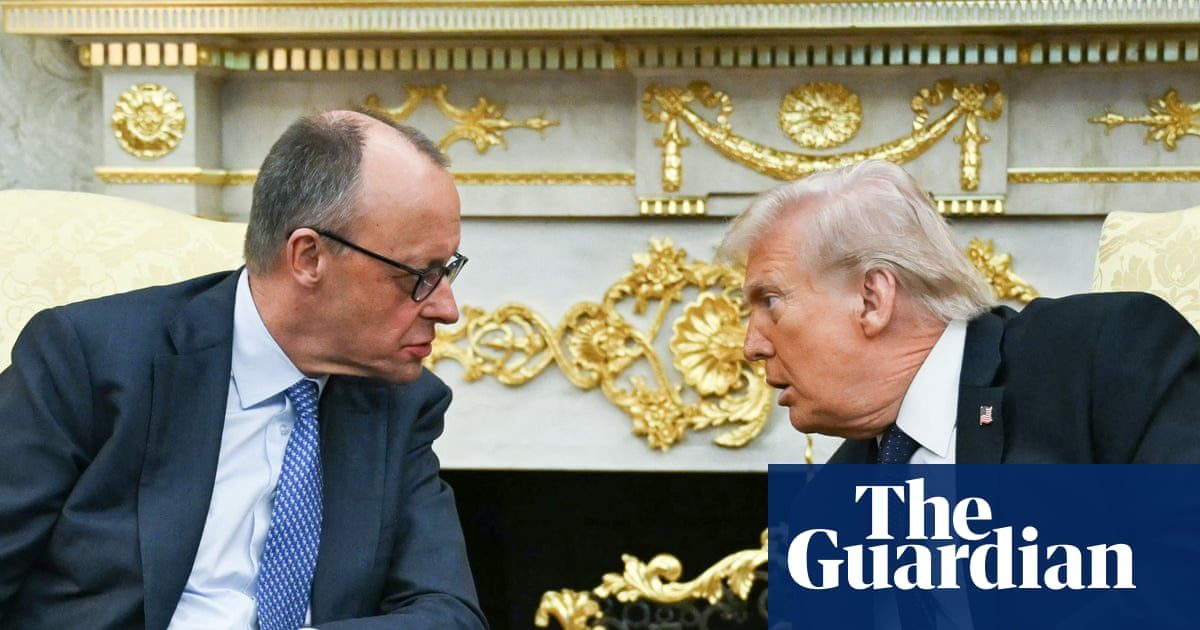
Chancellor Friedrich Merz has publicly rejected a new US State Department programme offering millions to European groups, warning that foreign funding of domestic politics threatens the rule of law and transatlantic stability ahead of German elections.
Chancellor Friedrich Merz has warned the Trump administration against interfering in German elections following the announcement of a US State Department programme offering grants of up to $3m to European organisations. The initiative, titled “Developing Civilizational Bonds, Democratic Resilience, and Rule of Law in Europe”, targets funding towards groups aligned with US conservative priorities on migration, censorship, and national sovereignty.
Speaking at a press conference on Wednesday, Merz drew a firm line ahead of Germany’s state elections in September. “For our part, we do not interfere in American elections,” he said. “Conversely, I do not want the American government or institutions close to the government to interfere in German elections.”
The chancellor noted that financing political parties from abroad is illegal in Germany. For businesses and investors, the injection of foreign capital into domestic political debates threatens the regulatory stability that European markets rely upon, particularly concerning migration and the rule of law.
Former US officials claim the grant scheme is the culmination of a months-long effort to repurpose government funds to support far-right groups and potentially political parties in Europe. One former State Department official said the language around eligibility is deliberately ambiguous, noting that “individuals” and “governmental institution” (sic) can apply without further definition.
“There seems to be an effort by the state department to put the thumb on the scale of elections in Europe, giving an unfair advantage to rightwing parties with resources that they would ordinarily not get,” the official said.
The programme is being administered by the Bureau of Democracy, Human Rights, and Labor. Originally established under President Jimmy Carter to challenge authoritarian regimes, the bureau has been repurposed under the current administration to advance a domestic conservative agenda abroad.
This funding push follows high-profile attacks on traditional western European allies by US figures including Vice-President JD Vance. In December, a new US national security strategy claimed Europe faced “civilisational erasure” and praised the rise of “patriotic European parties”.
The diplomatic friction is not isolated to Berlin. Last month, the UK government publicly rejected claims by Sarah B Rogers, a senior State Department official, that British police were making thousands of “freedom of speech” arrests. Rogers, who has become the public face of US hostility to European liberal democracies, also recently pledged $500,000 in US funding during a visit to Ireland.
European organisations positioned to benefit from the new grants include Britain’s Free Speech Union and think tanks like the Prosperity Institute. Other potential recipients include groups that previously relied on funding from Hungary under Viktor Orbán but lost that support after his departure from power.