Driver at fault in fatal Tesla FSD crash, NTSB says
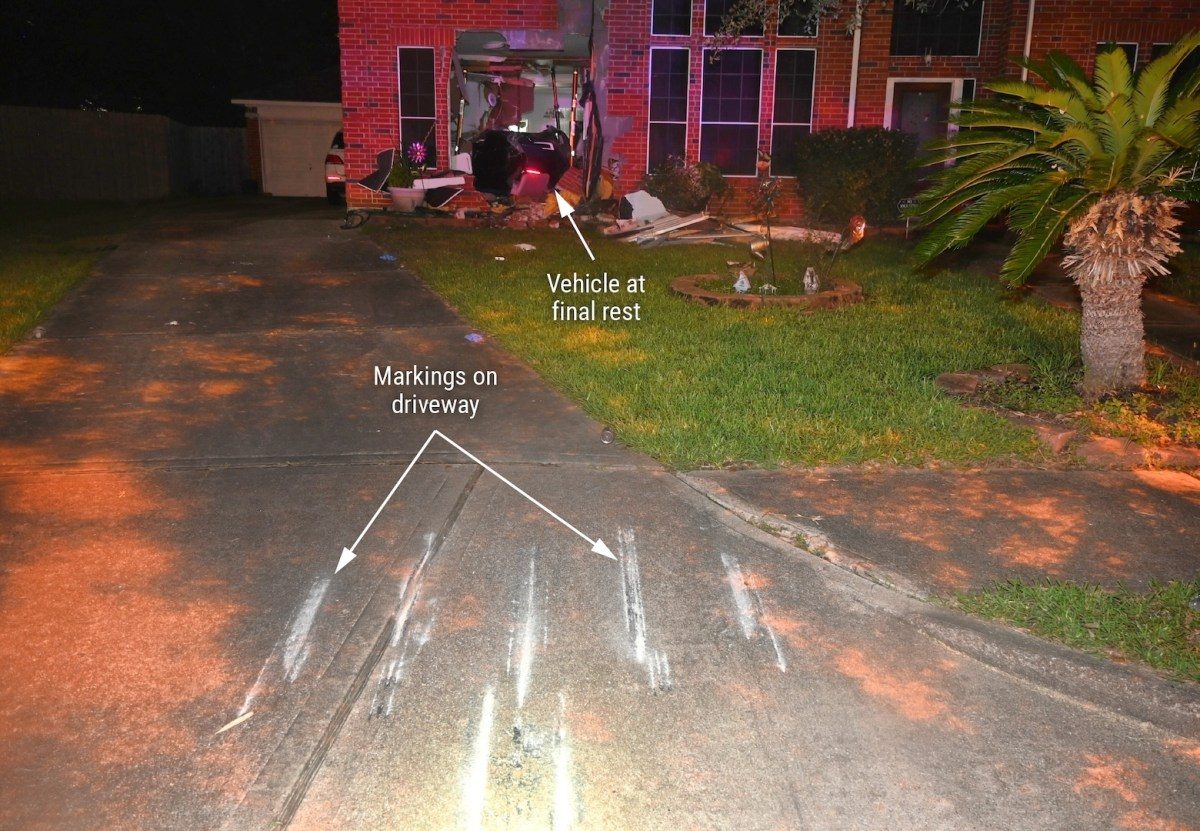
US safety investigators confirmed a driver caused a fatal Tesla crash by flooring the accelerator, a finding that shields the automaker from blame but exposes lingering liability questions for assisted driving technology.
The National Transportation Safety Board concluded that the driver of a Tesla involved in a fatal June crash in Katy, Texas, pressed the accelerator to 100 percent. This action overrode the vehicle’s Full Self-Driving (Supervised) system.
Data extracted from the car showed it was travelling over 70 miles per hour on a residential street with a 30 mph limit. The vehicle struck a house, killing 76-year-old Martha Avila. Security camera footage reviewed by the safety board depicted the car accelerating through an intersection in clear, dry daylight conditions before leaving the road.
The driver, 44-year-old Michael Butler, faces manslaughter charges and a negligence lawsuit from the victim's family. That lawsuit also names Tesla as a defendant. Butler reportedly told authorities he had "passed out" while using the driver assistance system, though police discovered his Google searches included phrases like "Tesla FSD not aggressive enough 2026" and "Tesla FSD too timid."
Tesla requires drivers using Full Self-Driving (Supervised) to remain attentive and ready to take control at all times. The NTSB’s preliminary findings validate Tesla’s assertion that its software was not responsible. “This [allegation] makes no sense. FSD drives slowly through neighborhood streets and this was a high speed crash!” Tesla CEO Elon Musk wrote on X shortly after the incident.
For European investors and regulators, the incident underscores the persistent legal and reputational risks tied to semi-autonomous technology. While the data clears the software of direct fault, the decision to sue the manufacturer illustrates the target on automakers when these systems are engaged during a crash. This liability dynamic matters heavily for European carmakers deploying their own assisted driving systems.
Both the NTSB and the National Highway Traffic Safety Administration continue to investigate the Texas incident. US crash investigations serve as critical case studies for European regulators drafting rules under the EU AI Act to govern automated driving. The legal boundaries of driver versus manufacturer liability remain a central concern for the continent's automotive sector.