Lancashire towns bet on public investment to drive revival
Two historic English industrial towns are leveraging millions in public funding and heritage assets to build a new economic model that is raising local living standards.
Preston and St Helens are undergoing significant urban and economic transformations driven by local government investment. Preston has opened a £45m leisure complex and a new bridge over the River Ribble, while St Helens is executing a large-scale demolition and rebuilding project east of its town hall to introduce homes, offices, a hotel, and a new bus station. These projects represent a deliberate shift away from the post-industrial decline that previously characterised parts of historic Lancashire.
The strategy in Preston has attracted attention across Britain, with some dubbing it "Prestonism." The model hinges on local authorities taking direct control and investing heavily to boost local living standards, an approach that former Manchester mayor Andy Burnham has acknowledged originated in Preston rather than Manchester. This challenges the conventional reliance on private sector or regional capital hubs to drive economic redistribution.
Both towns are converting their industrial heritage into modern economic assets. St Helens is progressing with the conservation of the No 7 Cannington Shaw Bottle Shop, the sole survivor of what was once the world’s largest glass bottle production site. John Tabern, director of the project, said: "As an ex-glassman, it’s extremely important to me. I’m proud of St Helens and want people to know its story. But we must monetise it with gigs and markets and all those things."
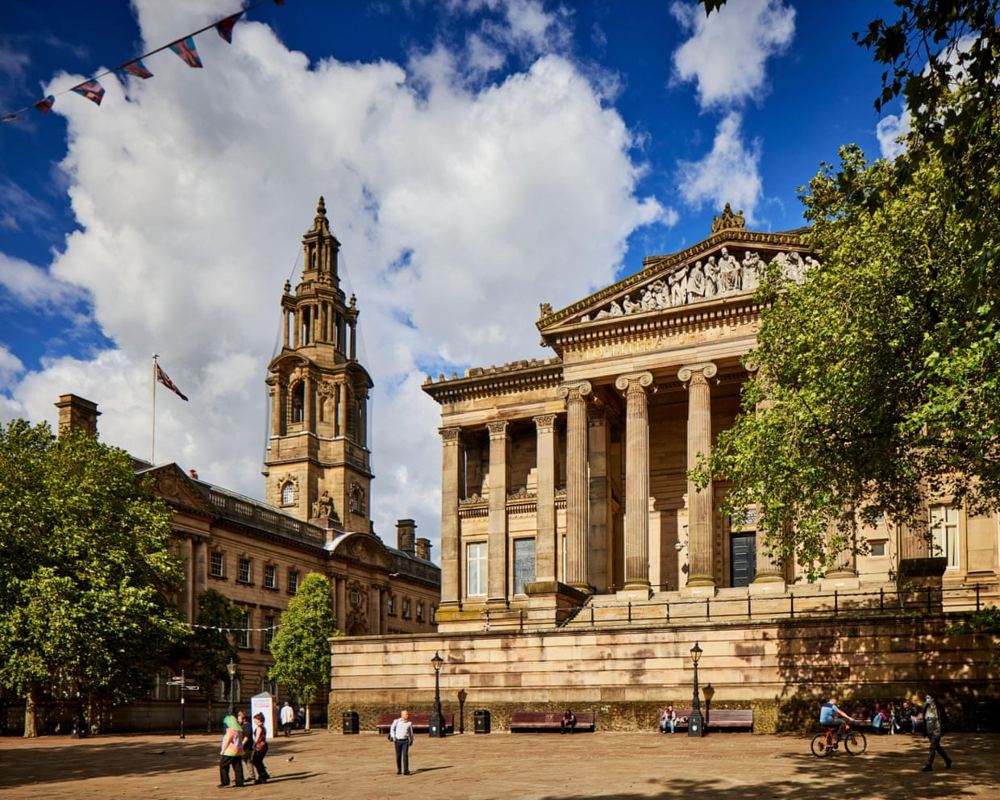
This heritage pivot is also driving the residential property market. In St Helens, the former Pilkington’s headquarters, Reflection Court, and the modernist Alexandra Park complex, designed by architects Jane Drew and Maxwell Fry, are earmarked for apartment conversions. In Preston, a £19m refurbishment of the Harris museum has created a regional cultural anchor, while historic sites like Centenary Mill now host retail emporiums.
For European observers, these twin revitalisations offer a case study in how mid-sized, post-industrial cities can utilise civic investment and protected architecture to stimulate local economies. By blending large infrastructure projects with the adaptive reuse of industrial landmarks, these Lancashire towns are attempting to rewrite their economic futures without relying on external corporate relocations.