Genoa bridge verdict puts Italy's infrastructure on trial
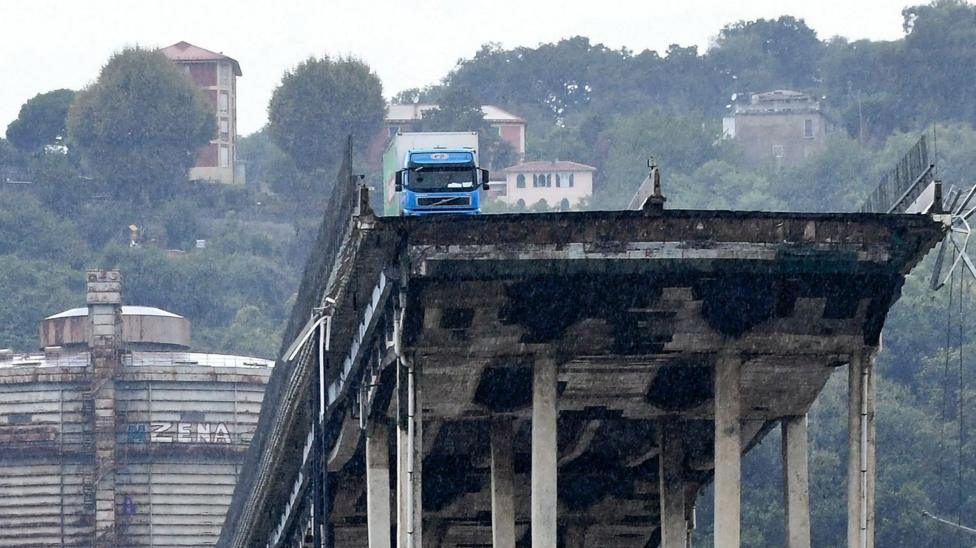
A Genoa court is set to deliver a first-instance verdict in the 2018 bridge collapse that killed 43 people, a ruling that carries heavy implications for the corporate governance of Europe's aging infrastructure.
Relatives of the 43 people killed when the Morandi bridge collapsed in August 2018 will gather in a Genoa courtroom on Thursday to hear a first-instance verdict. Fifty-seven defendants, including former executives of toll road operator Autostrade per l'Italia, its parent company Atlantia, and the maintenance firm Spea, face charges ranging from multiple manslaughter to falsifying documents.
At the centre of the trial, which spanned 284 hearings over nearly four years, is a fundamental disagreement over corporate liability. Prosecutors allege that the toll road operator repeatedly delayed maintenance while ignoring warning signs to protect profits. Defence lawyers contend the collapse was caused by an unpreventable design flaw in a cable encased in concrete.
The case has become a watershed moment for Europe's infrastructure sector, exposing the dangers of privatized road networks and deferred maintenance. Atlantia's former chief executive, Giovanni Castellucci, is already serving a six-year sentence over a separate 2013 viaduct collapse in southern Italy that killed 40 people. Autostrade and Spea have since reached a settlement to pay around €30m in damages and are no longer defendants.
On the eve of the verdict, Autostrade chief executive Arrigo Giana issued the company's first public apology. Writing in two Italian newspapers, Giana, who took over last year under new ownership, said he had long wondered why the company never apologised at the time. "It was a further, incomprehensible wound for a community already in shock," he wrote, adding that making amends was a moral duty.
For investors and companies operating in Italy, the proceedings also highlight the systemic sluggishness of the country's justice system. Francesco Pinto, the former deputy chief prosecutor who worked on the case, described the length of the trial as symptomatic of deeper problems. He warned that appeals and a final Supreme Court ruling could take another two and a half years.
Egle Possetti, whose sister Claudia died in the collapse along with her new husband and two children, said the families hope the court clearly assigns blame. "For so many years, lawyers told us that what happened was no-one's fault, that it was just an accident," Possetti said. "Finding who is responsible could give us some sort of peace and a sense of justice."