UK nationalises British Steel from Chinese owner Jingye
The UK government has taken British Steel into public ownership to prevent the collapse of its last primary steelmaker, a move that secures 4,000 jobs but leaves the incoming prime minister with a multibillion-pound decarbonisation bill.
The British government has formally expropriated British Steel from its Chinese owner, Jingye, ending 15 months of state management of the Scunthorpe site. The move, executed under the Steel Industry (Nationalisation) Act, makes the state the sole economic owner of Britain’s last remaining producer of primary steel from iron ore.
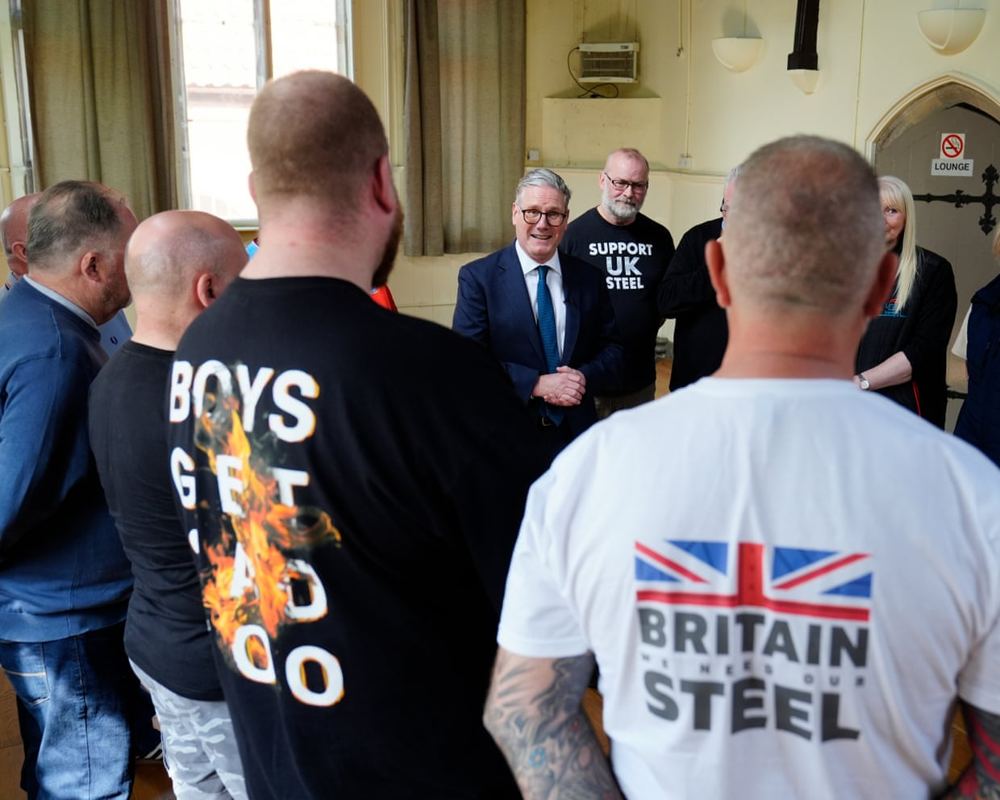
The nationalisation prevents the immediate loss of 4,000 jobs and secures domestic production of essential long products like railway tracks and construction girders. Business Secretary Peter Kyle said the seizure was necessary because losing the Scunthorpe plant would leave the UK "at the mercy of international markets and the supply from other countries".
The standoff began in April last year when Jingye threatened to walk away from the site without preserving its blast furnaces. The Labour government recalled parliament for an emergency intervention, placing British Steel under the management of state officials while Jingye remained the legal owner.
Prime Minister Keir Starmer framed the takeover as an intervention in the national interest. “British Steel is part of the fabric of our nation and a cornerstone of Britain’s industrial strength,” Starmer said. “Today’s decision secures the future of steel making in the UK, protects skilled jobs and safeguards a vital national capability."
The government said it could not reach a deal with Jingye that would both secure the company's future and deliver value for taxpayers. An independent valuer will now determine if compensation is owed to the Chinese firm. Jingye has previously claimed British Steel is a highly valuable asset, despite its earlier threat to let the business fail.
The political and financial burden of the takeover will immediately fall to the next administration, with Andy Burnham expected to become prime minister next week. British Steel’s ageing blast furnaces require replacement, and shifting the plant to greener electric arc furnaces will cost well over a billion pounds.
The long-term strategy for the site remains partially undecided. Kyle noted that while the immediate goal was saving the plant, future operations must align with the government's intention to move towards green steel.
Industry leaders have welcomed the state takeover but warned that nationalisation is only the first step. “Bringing British Steel into public ownership is the right move,” said Gareth Stace, director-general of UK Steel. “As the next government takes office next week, its priority must now be to deliver a long-term plan that restores British Steel to commercial sustainability, secures investment in modern, low-carbon steel making and creates the competitive business environment the sector needs to thrive.”