Vocational training leads to jobs but lacks prestige for Europeans
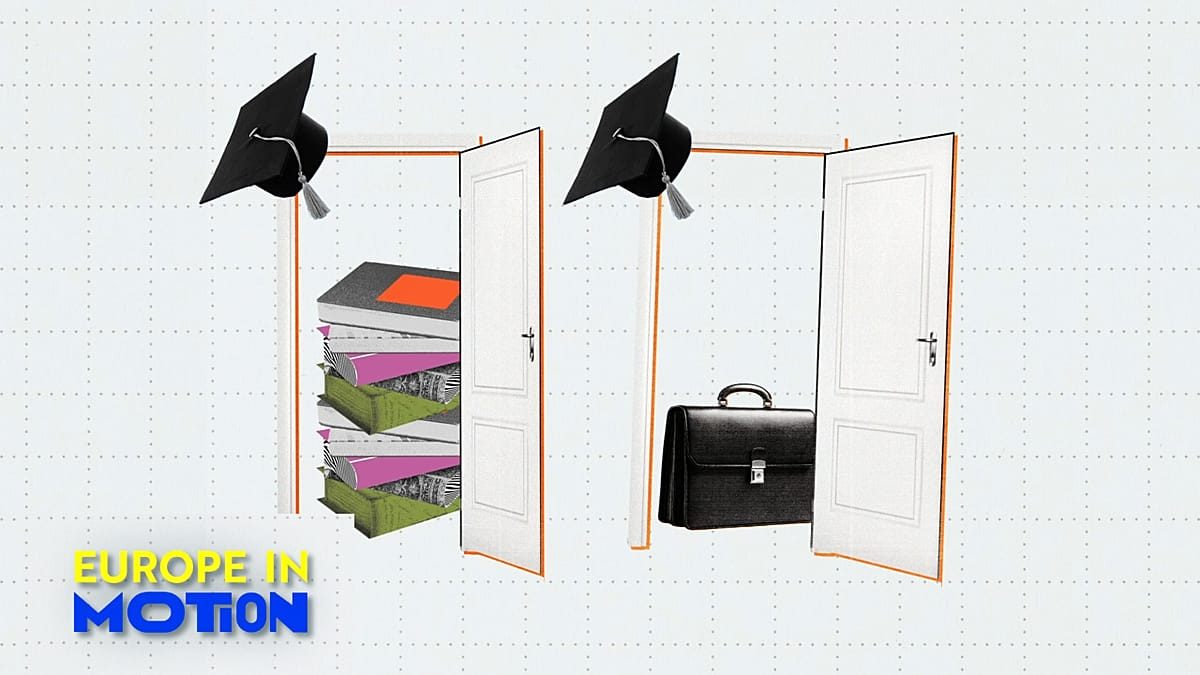
A new Eurobarometer survey shows Europeans recognize vocational training leads to in-demand jobs, yet persistent prestige gaps and gender stereotypes threaten to choke off a crucial talent pipeline for the continent's industries.
A new Eurobarometer survey reveals a fundamental disconnect in how Europeans view vocational education, a paradox that complicates the continent's efforts to resolve chronic labour shortages.
While 80% of EU citizens acknowledge that vocational qualifications lead to in-demand jobs, 75% still believe general upper secondary education carries a more positive image. This prestige gap is widest in Sweden, Denmark, and Finland, and narrowest in Czechia, Latvia, and Romania.
For European industries desperate for skilled workers, this presents a messaging dilemma. The public clearly understands the economic utility of vocational paths. In fact, 53% of Europeans point to the need to secure a job and earn money quickly as the primary driver for choosing vocational training, making it the leading factor in 24 member states.
However, the hesitancy to fully embrace these programmes is not rooted solely in academic snobbery. Half of the survey's respondents believe vocational training falls short in teaching foundational skills, specifically digital literacy, reading, and critical thinking. This concern was most pronounced in Poland, Slovenia, and Croatia, while Estonia, Sweden, and Spain reported the lowest levels of doubt.
Deep-seated gender stereotypes further constrain the available talent pool. According to the survey, 71% of EU citizens say women who express interest in technical subjects are routinely steered toward general education instead. Conversely, 70% report that men who are not high academic achievers face disproportionate pressure to choose vocational tracks over academic ones.
These rigid expectations create barriers even after a career path is chosen. More than half of respondents noted that men entering caregiving or service-related vocational fields face social stigma. This perception was strongest in Poland, Hungary, Italy, and the Netherlands, and lowest in Cyprus, Portugal, and Greece.
Overcoming these cultural barriers will require targeting the right influencers. Social media accounted for just 14% of decision-making influence, trailing far behind parents at 35% and teachers at 28%. If European economies are to rely on vocational training to fill industrial gaps, the push must begin in living rooms and classrooms.