Record World Cup revenues mask economic losses for host cities
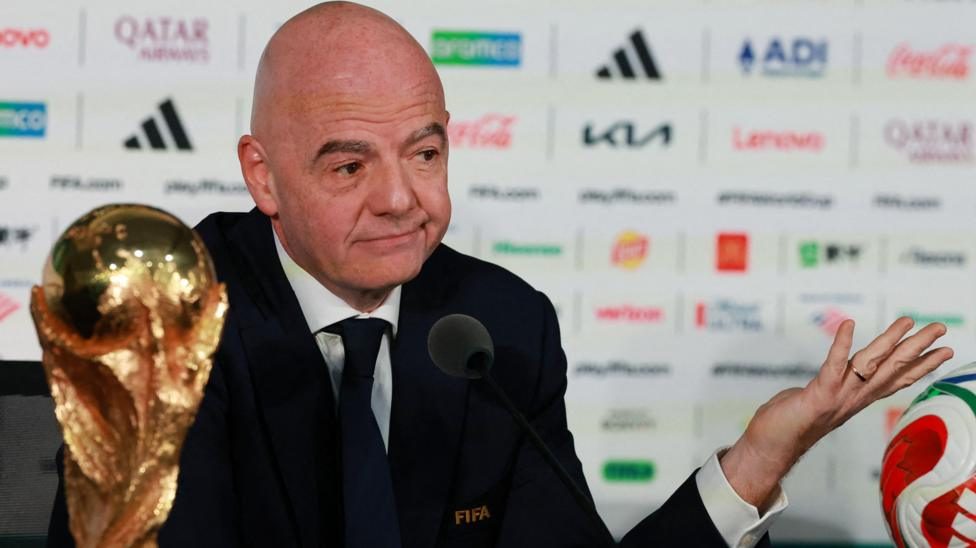
The expanded 2026 World Cup is generating unprecedented revenues for FIFA and European sponsors, but the promised economic windfall is largely bypassing host cities and ordinary fans.
The 2026 World Cup is generating unprecedented financial returns for FIFA, but the promised economic windfall is largely bypassing host cities and ordinary fans. As the expanded 48-team tournament plays out across North America, the gap between the governing body's revenues and the local economic reality is widening.
FIFA is the undisputed financial victor. Revenues over the current four-year cycle are approaching $13bn, easily topping the record $7.6bn generated from Qatar 2022. Marion Laboure, senior strategist at Deutsche Bank Research, notes FIFA is "without question" the main winner, extracting value through broadcasting rights, sponsorship and a 15% fee on its official secondary ticket marketplace.
European companies are capturing a significant share of the commercial spoils. German sportswear brand Adidas spent some £50m on a campaign featuring Jude Bellingham and Lionel Messi. Meanwhile, European betting firms like Flutter Entertainment, which owns Paddy Power and Sky Bet, are forecasting a doubling of wagers compared to the previous tournament.
An estimated $50bn is expected to be wagered globally, roughly $500m per match, according to financial services firm Macquarie. Analyst Chad Beynon notes the shift towards in-play betting is driving this growth. "Now it's all about reacting to what you're seeing on the field," he says.
Broadcasters have also found new ways to monetise the expanded schedule. Fox Sports, which paid $485m for US broadcast rights, introduced sponsored hydration breaks. Laboure describes these breaks as "pure advertising inventory", estimating they could net $250m in the US alone. UK viewers watching on the BBC or ITV remain shielded from these interruptions due to regulatory restrictions.
Off the pitch, fans are the clearest financial losers, squeezed by FIFA's dynamic pricing strategy. Official tickets for the final at New Jersey's MetLife Stadium were offered at $32,970, with some resale listings exceeding $2m. Even US President Donald Trump admitted he "wouldn't pay" the potential $1,000 price tag for his country's opener.
Transport and living costs have further strained attendees. A 30-minute New Jersey Transit train journey briefly rose to $150 from a standard $12.90 return before a public backlash forced a partial reduction.
Despite FIFA projections of a $41bn global economic boost and 185,000 new US jobs, host cities are seeing minimal long-term benefits. Alexander Budzier of Oxford Global Projects argues that regular tourists avoid tournament chaos, and the newly created hospitality roles do not build lasting wealth. "It creates jobs, but it does not create wealth," he says.
The hotel industry has particularly suffered. By April, 80% of US hotel operators reported bookings tracking below initial forecasts. The American Hotel and Lodging Association accused FIFA of block-booking rooms to create artificial demand, a claim FIFA denies. Canadian hotels reported a similar slump, with Vancouver pacing well behind previous years despite hosting seven matches.