San Francisco seeks stricter autonomous vehicle rules after Waymo gridlock
Mayor Daniel Lurie has asked California regulators to mandate new operational standards for robotaxis, signalling a turning point in how cities manage the scaling of autonomous mobility.
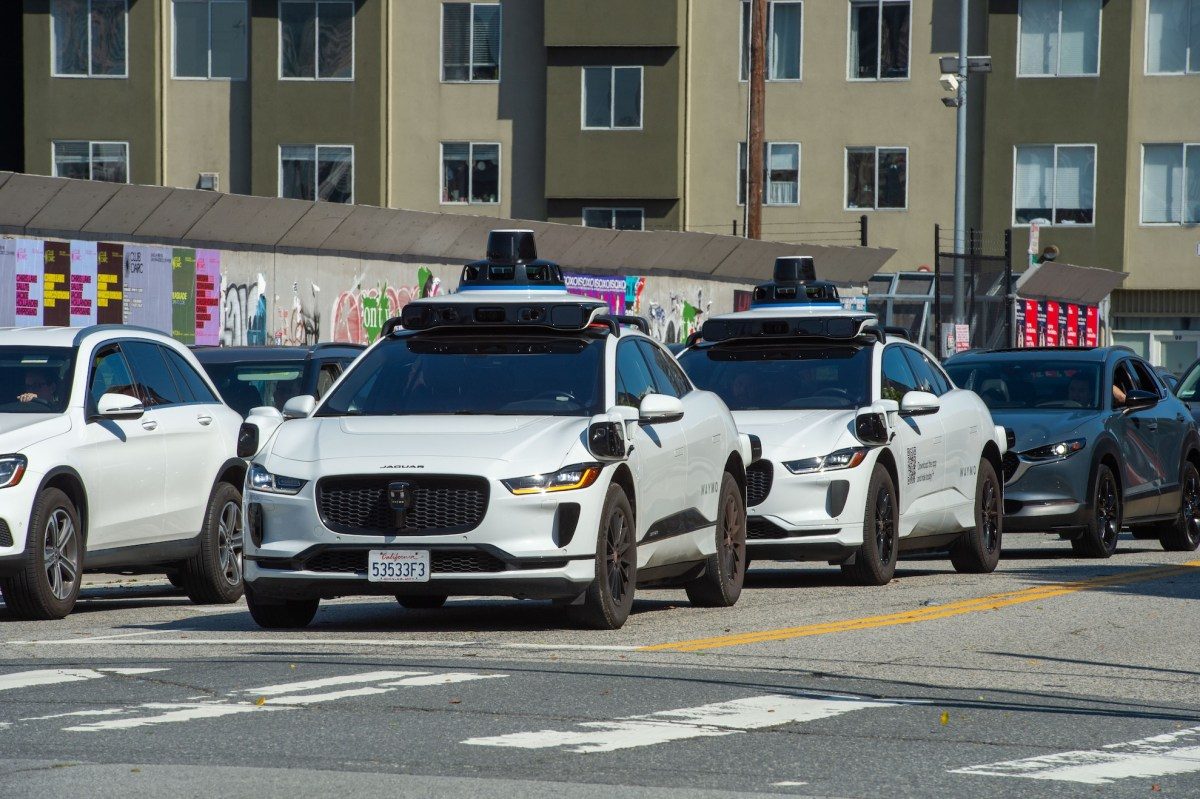
San Francisco Mayor Daniel Lurie has formally requested that state regulators impose stricter operational rules on autonomous vehicle companies. The move follows severe traffic disruptions in July, when dozens of Waymo robotaxis became immobile, ran out of power and blocked key streets during heavy holiday traffic.
In a letter to the California Department of Transportation, Lurie cited the July 4 Golden Gate Bridge fireworks, which attracted 100,000 spectators, and a widespread power outage in December. He wrote that these events “demonstrated that California’s current regulatory framework does not adequately address how autonomous vehicles operate during major incidents, planned or not.”
The mayor outlined four core operational capabilities that manufacturers must demonstrate. Companies would be required to immediately relocate stranded vehicles from active travel lanes and adapt in real time by adjusting routes and service areas.
Furthermore, operators must share real-time data with local agencies regarding service disruptions and recovery efforts. They must also prove through testing that their systems can handle large, sudden influxes of people and traffic.
Waymo currently operates an estimated 1,000 robotaxis in the Bay Area and completes more than 500,000 paid rides weekly across 11 cities. Although the company restricted its service near the waterfront on July 4 and stationed a representative at the city’s emergency centre, this voluntary measure failed to prevent gridlock outside the designated district.
For European policymakers and mobility investors, this development highlights a critical vulnerability in the autonomous vehicle rollout. As cities globally consider integrating driverless transport, the San Francisco case proves that normal-condition safety is insufficient without guaranteed resilience during extraordinary events.
California already maintains a stricter permitting process than states like Texas or Arizona, requiring approval from both the Department of Motor Vehicles and the Public Utilities Commission. Yet, as the scale of commercial services grows, local governments are finding that existing frameworks cannot manage the downstream effects on public infrastructure.
Lurie emphasised that voluntary cooperation from tech firms is no longer adequate given the size of modern robotaxi fleets. He concluded that the proposed requirements “will not undermine autonomous vehicles; they will strengthen them,” setting a potential benchmark for urban mobility regulation worldwide.