Hunt for Gollum director cites Tolkien to defend all-white cast
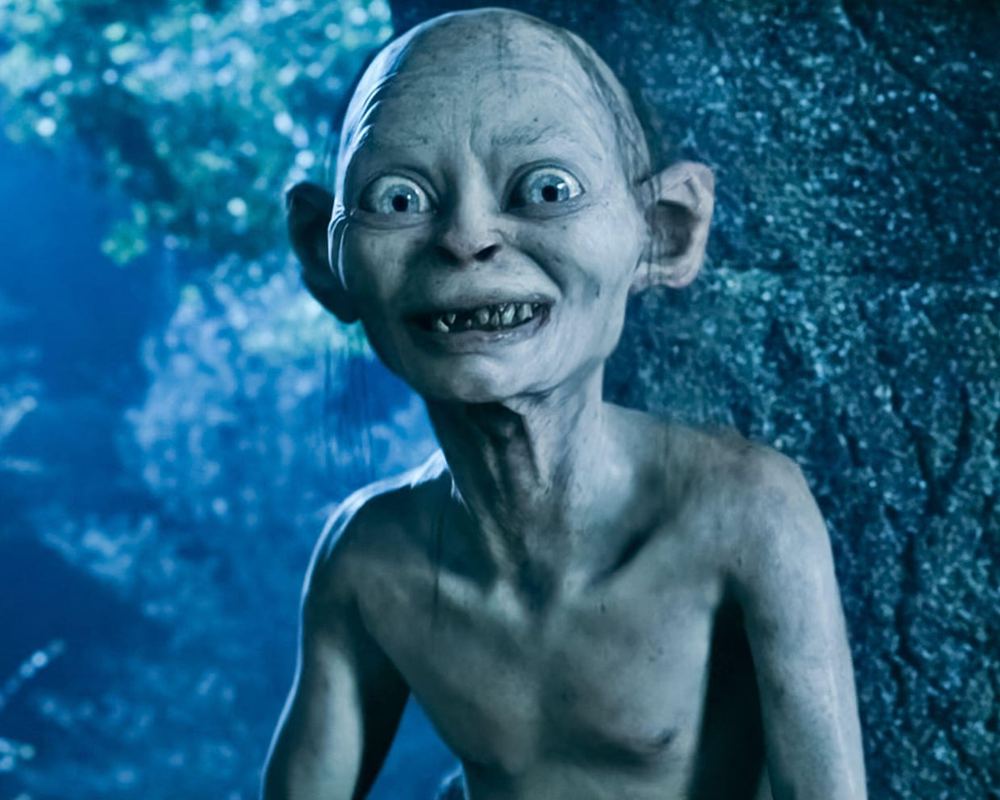
Andy Serkis has attributed the all-white casting of his new Lord of the Rings film to its author's Nordic influences, a defence that reveals the tensions in adapting European literary heritage for modern global audiences.
Andy Serkis has defended the all-white casting of The Lord of the Rings: The Hunt for Gollum by pointing to J.R.R. Tolkien’s literary influences. Asked by the BBC why no actors of colour were cast in major roles, Serkis argued that Tolkien drew heavily on Norse mythology and that the Shire "feels very, very much like a very, a very white" place insulating itself from outsiders.
Serkis explicitly rejected the idea of diversity targets. “I don’t think we will be doing a politically correct just-casting-for-the sake-of-casting-and-ticking-boxes version of the film,” he said. “So, it’s where relevant basically.”
This justification matters because it misdiagnoses the actual constraints facing major film adaptations of European literature. The Hunt for Gollum is not a standalone translation of a 1940s text; it is a direct narrative extension of Peter Jackson’s Oscar-winning trilogy from the early 2000s. If Serkis had simply argued he was maintaining visual continuity with those established films, the rationale would have been coherent for investors and audiences alike. Blaming an Oxford philologist who died in 1973 for a 2026 casting sheet avoids the director's own agency.
Tolkien did imagine his north-western Middle-earth with European geography in mind, placing Hobbiton at the latitude of Oxford and Minas Tirith near Florence. He also wrote that brown-skinned peoples generally inhabited the south, while those in the east had varied appearances. However, applying strict physical fidelity to the source material selectively weakens Serkis's argument. The Númenóreans, from whom Aragorn descends, are described in the books as near-superhuman giants often approaching seven feet tall, a trait the film industry routinely ignores when casting ordinary human actors. Elves, meanwhile, are immortal beings who walk on snow without leaving a mark, making the demand for strict realism in their casting seem arbitrary.
The broader film industry has already moved past treating fantasy adaptations as rigid ethnographic records. Christopher Nolan’s upcoming The Odyssey has cast Lupita Nyong’o as Helen of Troy, despite the ancient Greek setting and a cast of mostly British and US actors speaking in American accents. Similarly, Peter Jackson took significant liberties with Tolkien’s timelines in his original trilogy, and nobody objected that Viggo Mortensen is only 5ft 11in rather than a near-superhuman giant. Adaptation is always an act of interpretation. Serkis is entirely within his rights to make his own casting choices, but attributing those decisions to Tolkien rather than his own creative direction is unconvincing.