Bull ray influx threatens Trieste mussel farms in EU trial
An unprecedented influx of protected bull rays is damaging mussel farms in the Gulf of Trieste, prompting an EU-funded trial of magnetic deterrents to balance conservation with local business interests.
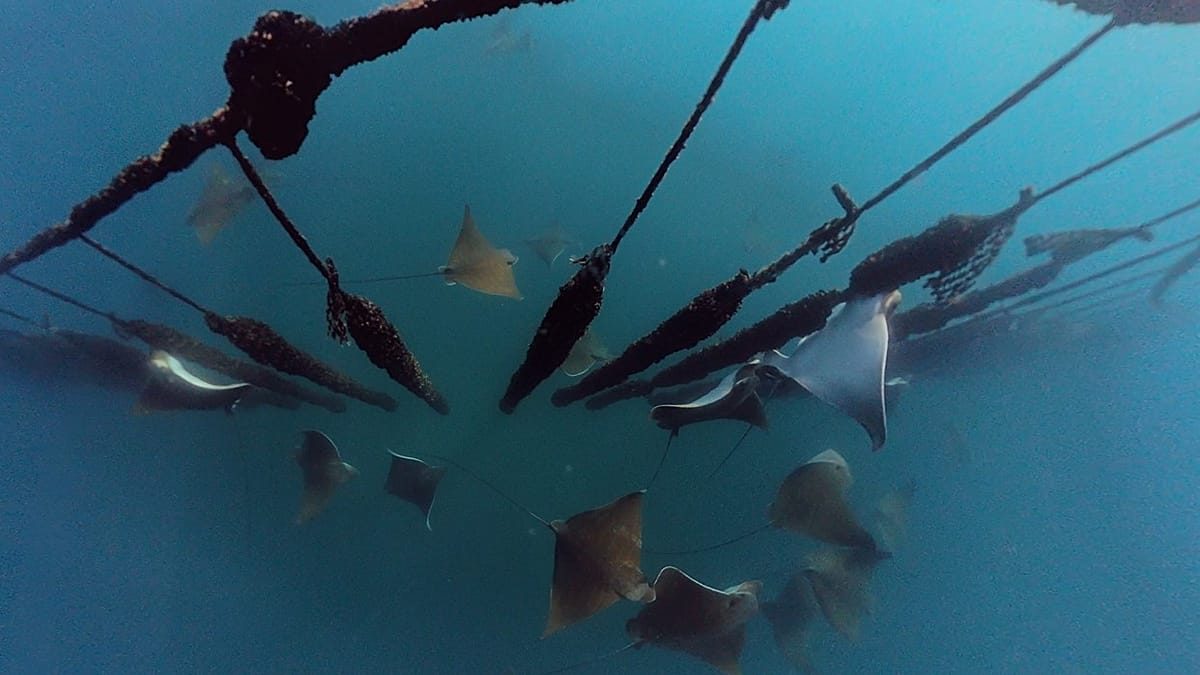
Large groups of bull rays have settled in the Gulf of Trieste, inflicting substantial economic losses on local mussel farms that were previously unaccustomed to dealing with the protected species. Groups of up to 50 animals have been documented feeding directly off aquaculture ropes, adding a new burden to an industry already facing pressures from rising water temperatures and other predators.
“We had never seen this kind of interaction between bull rays and human activities,” says Simona Clò, scientific director of MedSharks. The arrival of the rays, which can reach two metres across, is a direct consequence of shifting EU policies and changing marine conditions. Stricter, more selective fishing rules have reduced incidental catches, while warmer winters mean the Gulf no longer drops below 10 degrees Celsius, making it a suitable year-round habitat rather than a brief transit area.
“Stricter and more selective fishing rules have also improved their reproductive performance,” says Saul Ciriaco of the WWF Miramare Marine Protected Area. This environmental success creates a commercial dilemma for the region's aquaculture sector. To resolve it, the EU-co-financed Life Prometheus project has launched a trial using electromagnetic deterrents attached to mussel lines to drive the rays away.
Researchers from the Universities of Padua and the Marche Polytechnic University are working with local farmers to test the devices. “These small magnets have a disturbing effect on the animals, but they are not harmful. We now need to see whether the system actually works,” says Ciriaco. However, deploying the technology commercially poses a significant financial hurdle. The rays roam across roughly twenty kilometres of coastline, and outfitting these mussel lines would require a major, costly effort.
Regional authorities and the harbour master’s office are now planning a round table to address the long-term economic impact on the farms. One proposed solution is to develop designated snorkelling and underwater photography areas to capitalise on the rare animals. “Bull rays are important animals for the environment. Moreover, they swim close to shore and this is something that should be valued,” says Clò, suggesting eco-tourism could offset the financial damage to the aquaculture businesses.