How a British plane and Spanish tungsten armed the Nazi war machine
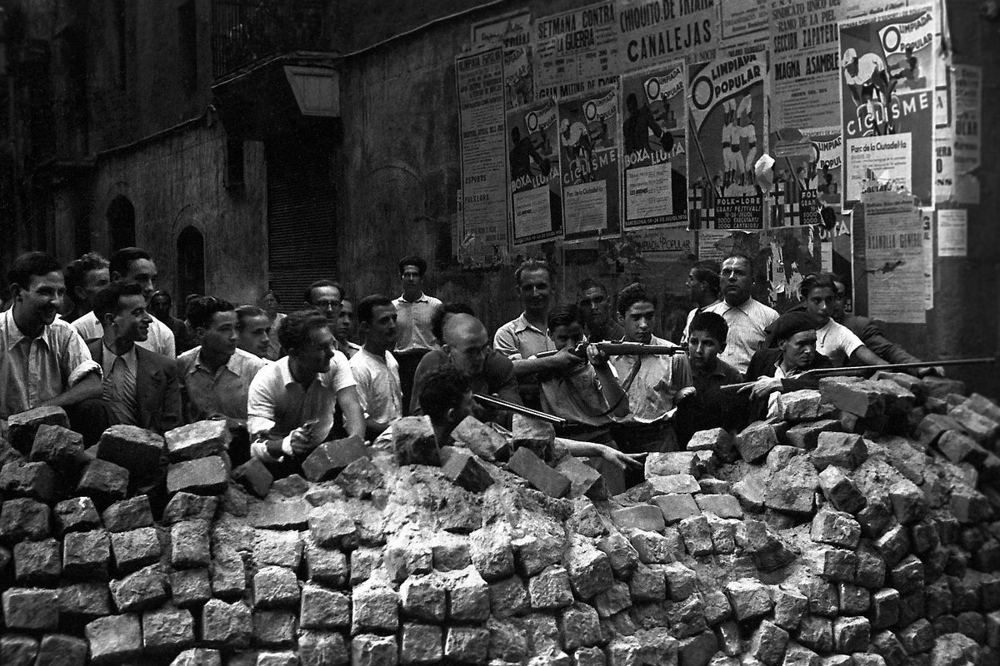
Newly uncovered evidence suggests British intelligence quietly helped Francisco Franco launch his 1936 revolt, a catastrophic miscalculation that handed Nazi Germany a vital military testing ground and a third of its crucial tungsten supply for the Second World War.
Ninety years ago this week, a right-wing military revolt against Spain's democratic government triggered a conflict that would claim up to 900,000 Spanish lives. New research reveals that the launch of this rebellion depended on a British-owned aircraft departing from London's Croydon airport. Operated by a former UK military intelligence asset, the plane flew General Francisco Franco from the Canary Islands to rebel headquarters in Spanish Morocco, allowing him to take command of the uprising.
Emerging evidence indicates the British Foreign Office and its intelligence service knew of the operation but did nothing to stop it. Portugal, Britain's traditional regional ally, actively provided refuelling facilities for the aircraft. If the Foreign Office was indeed informed, it becomes highly likely that senior British politicians, including Foreign Secretary Anthony Eden, were aware of this unofficial assistance to the extreme right.
From Morocco, Franco dispatched a secret mission to Hitler requesting aircraft to transport troops and equipment to Spain. Hitler agreed, deploying transport planes and fighter escorts in what was then the largest military airlift in aviation history. Without this German and Italian intervention, the right-wing revolt would likely have failed to overthrow Spain's democracy. Hitler recognized the geopolitical advantage of preventing Spain from aligning with Britain and France.
However, the German leader likely underestimated the immediate military benefits this partnership would yield. Nazi Germany used the Spanish conflict as a critical laboratory to perfect tactical bombing techniques, fighter formations, and artillery tactics. The conflict also saw the debut of the notorious Stuka dive bombers. Up to 19,000 German military personnel, including tank crews, airmen, and SS officers who trained Spanish police in torture methods, gained vital combat experience before the official outbreak of the Second World War.
The economic fallout for Europe proved just as devastating. A victorious Franco granted Nazi Germany access to Spanish reserves of tungsten, an ultra-hard, heat-resistant metal indispensable for weapons manufacturing and machine tools. After Germany invaded the Soviet Union in 1941 and lost access to Russian tungsten, Spanish supplies became critical. Despite partially successful Allied efforts to restrict these exports, Spain provided a third of Germany's crucial tungsten between 1941 and 1943, materially sustaining the Nazi war machine.
For European public life, the anniversary serves as a stark reminder of how localized political miscalculations can cascade into continental catastrophes. A covert British operation, intended to manage a distant crisis, inadvertently handed Hitler the battle-tested tactics, experienced troops, and strategic raw materials he needed to plunge Europe into its darkest era.