Wildberries warehouses hit as Ukraine targets drone supply chain
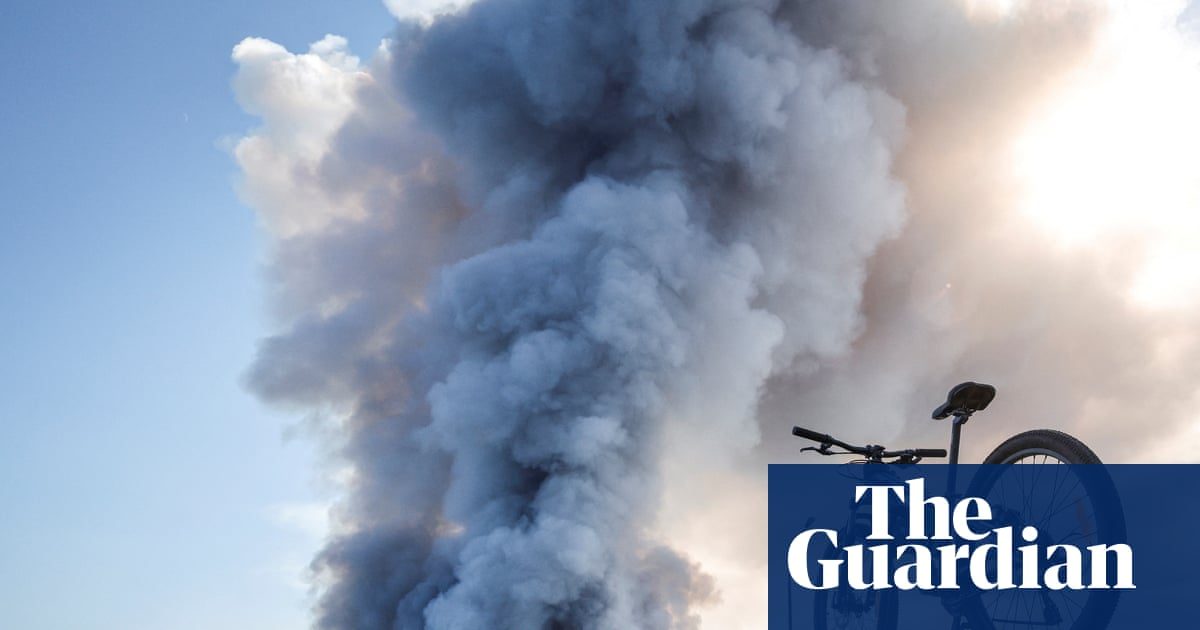
Ukrainian long-range strikes on warehouses belonging to Russia's largest online retailer have exposed how civilian e-commerce networks are being used to bypass sanctions and supply the military with drone components.
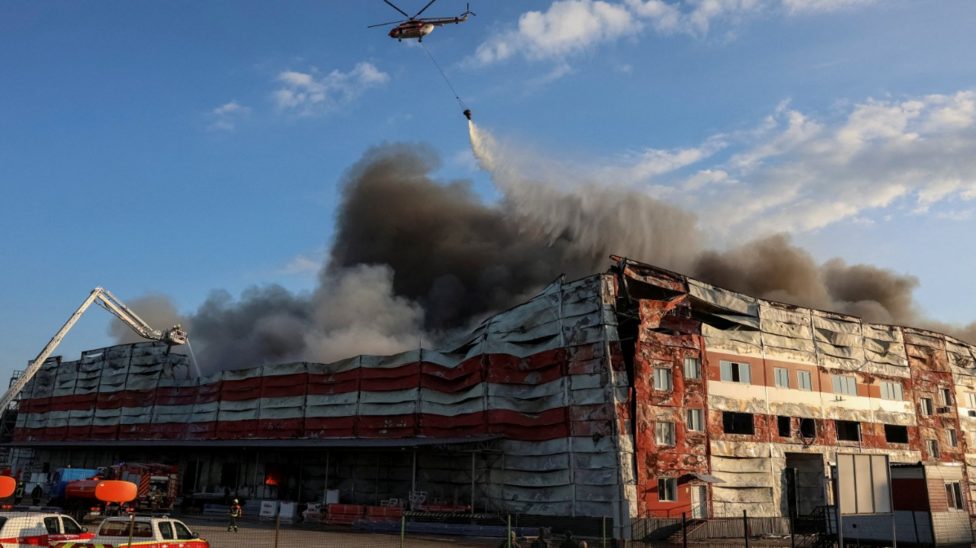
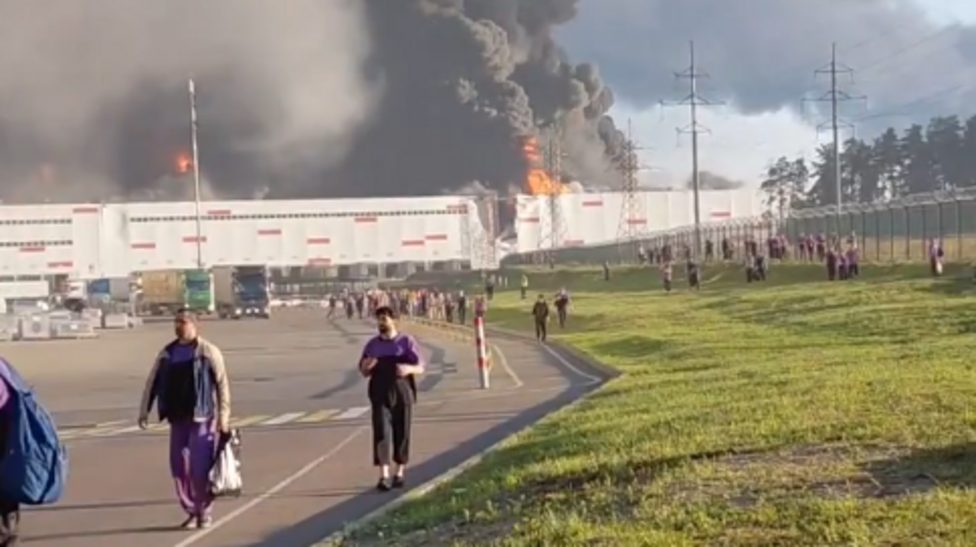
Ukraine’s military conducted long-range strikes on two logistics hubs in the Moscow and Tambov regions over the weekend. Russian officials identified the facilities as warehouses belonging to Wildberries, the country’s dominant online retailer.
President Volodymyr Zelenskyy said the sites were used to supply sanctioned components for drone and navigation equipment production. Ukrainian military analyst Serhii Kuzan noted that Wildberries had become a vital supplier of dual-use and sanctioned electronics to the Russian army. The targeting of these commercial sites signals a deliberate strategy to disrupt the logistics networks keeping Russia's drone war operational.
The strikes inflicted immediate costs on civilian workers. Tambov regional governor Yevgeny Pervyshov reported seven night shift workers were killed and 25 wounded at the Kotovsk facility, located 360 kilometres from the Ukrainian border. A second warehouse was hit in Elektrostal, an industrial city known for metallurgy and machine-building, just 50 kilometres east of Moscow.
Port and energy infrastructure targeted
The attacks extended to Russia's maritime and energy supply lines. Ukraine’s general staff reported hitting a fuel depot in Noginsk that supplies the armed forces, alongside two tankers, two floating cranes and a tugboat used for military cargo in the Black and Azov seas. Ukraine also reported destroying a second Russian Svetlyak-class patrol ship in Kerch in two days and severing a railway bridge in the occupied Luhansk region.
Russia struck back at Ukrainian ports, attacking Odesa infrastructure and hitting a vessel under the Antigua and Barbuda flag. Regional governor Oleh Kiper said one person was killed, three injured, and that buildings, storage tanks and warehouses were damaged.
Deepening foreign ties and domestic unrest
Russia’s reliance on foreign partners to sustain its war economy was highlighted by the arrival of North Korean foreign minister Choe Son Hui in Moscow. Analysts note Pyongyang provides missiles, munitions and troops in exchange for financial aid, military technology, food and energy. In April, ruler Kim Jong-un pledged to help Russia win its "sacred" war.
Moscow is also drawing on African labour. Botswana and several other African nations warned their citizens are being deceived into frontline combat, with a monitoring group estimating more than 300 African recruits have died out of 1,400 mobilised. Video footage has shown Russian soldiers referring to the African recruits as "disposables" in areas where survival averages 20 to 35 minutes.
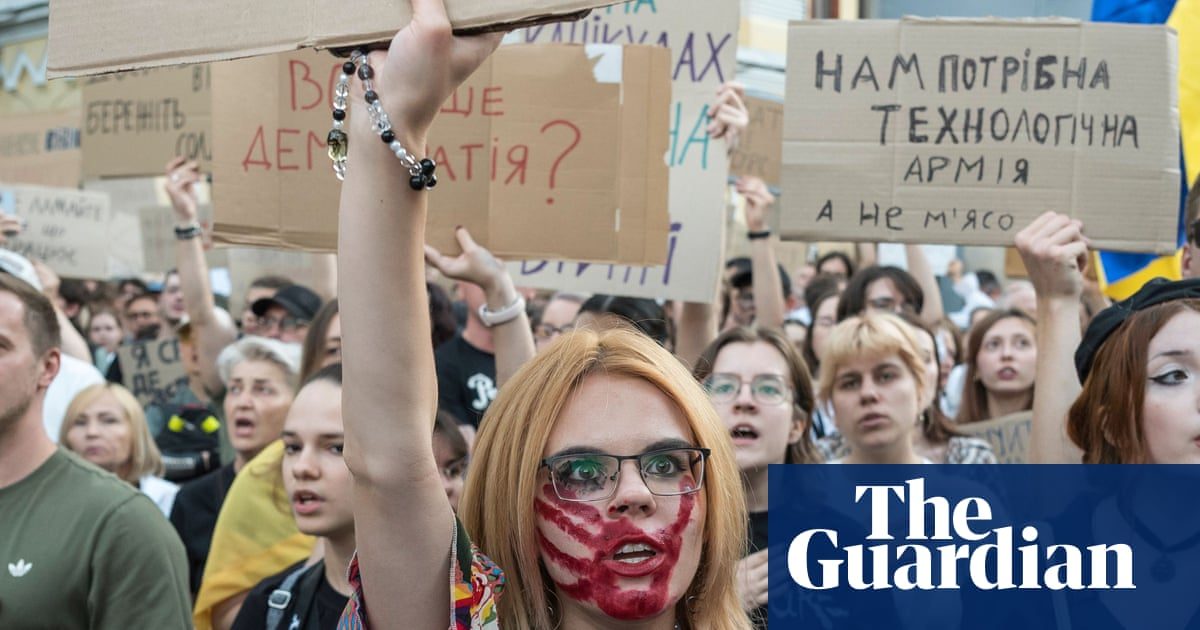
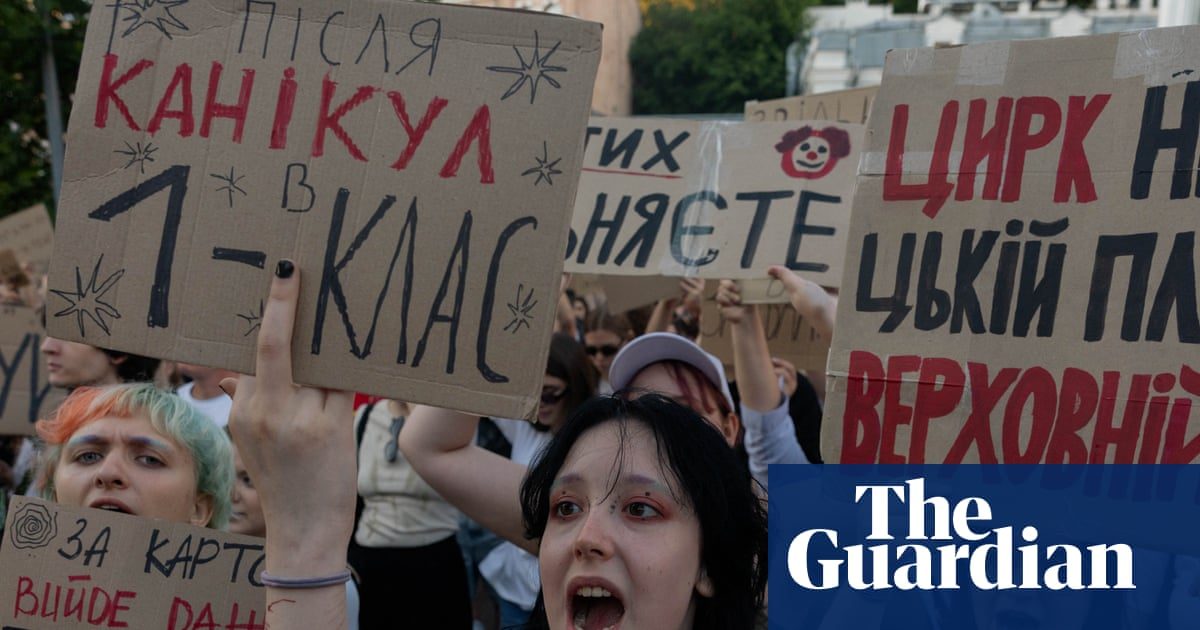
In Kyiv, the war's domestic political toll surfaced as protesters demanded the dismissal of commander-in-chief Oleksandr Syrskyi. The demonstrations followed Zelenskyy's removal of the popular defence minister, Mykhailo Fedorov, a move the president defended as necessary to resolve a "challenging dialogue" between the two officials.